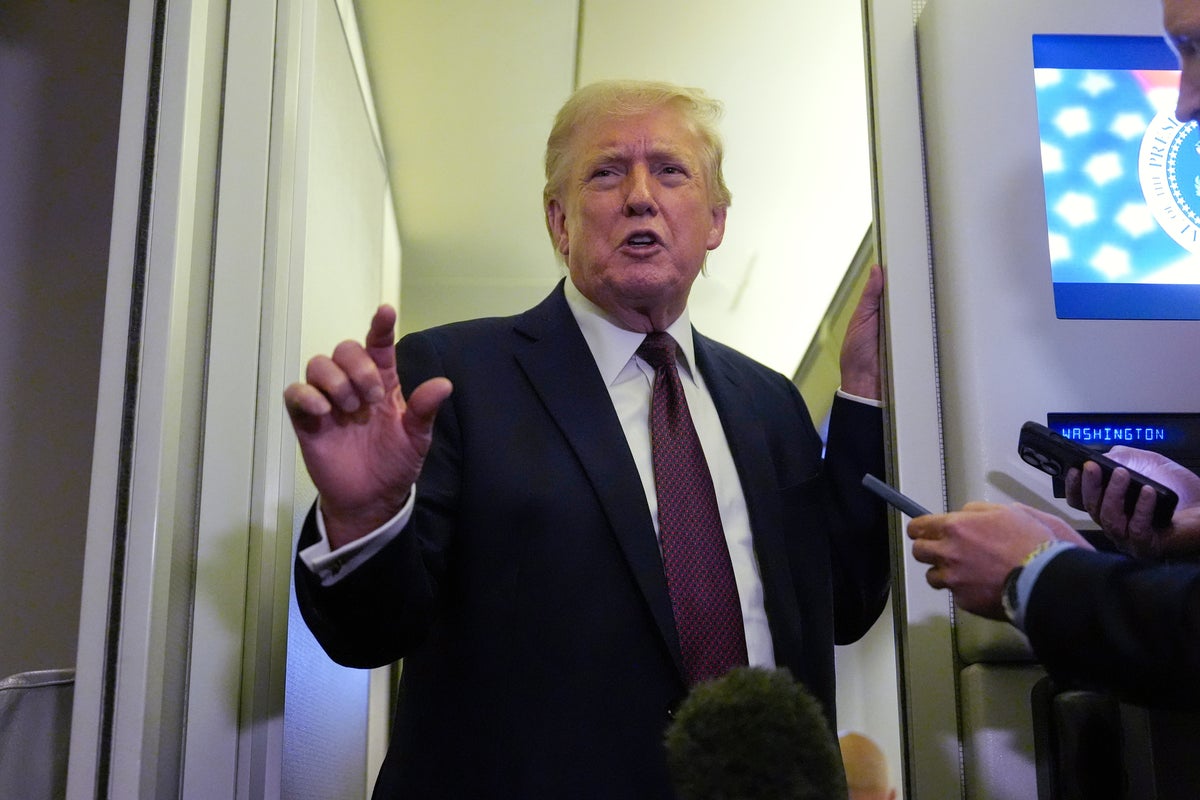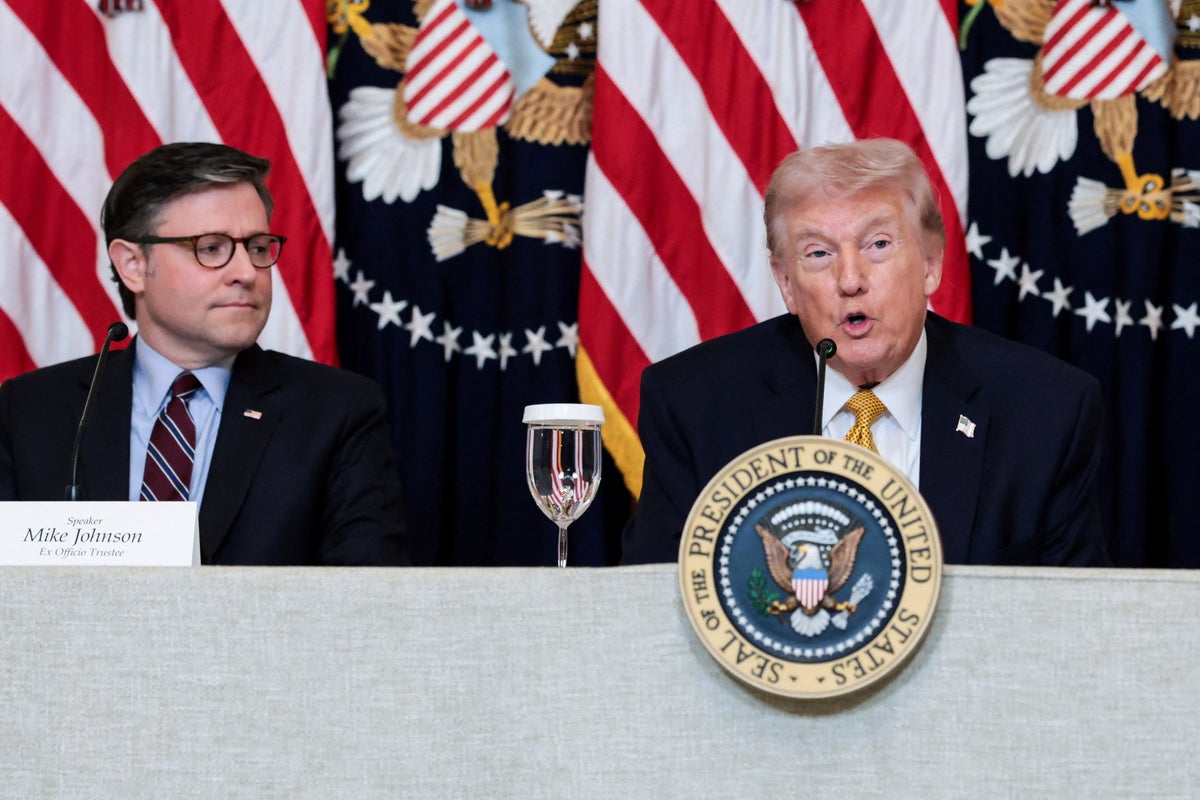
Donald Trump just put a clock on the future of NATO. During an interview with the Financial Times and a series of blunt remarks aboard Air Force One, he told America’s allies to get their warships into the Strait of Hormuz immediately or face a "very bad" future for the alliance. It’s classic Trump—half ultimatum, half "we don't even need to be there"—but this time, the stakes involve a hot war with Iran that's already dragging oil prices past $100 a barrel.
If you’re wondering why the President is suddenly leaning on Europe and Asia to clean up a mess in the Middle East, it's because the U.S. and Israel have spent the last two weeks "decimating" Iranian targets, yet the world’s most vital oil artery remains clogged. Iran has effectively shut down the Strait, and despite Trump’s claims that the U.S. has destroyed over 30 mine-laying ships, nobody is quite sure if the water is actually safe. Building on this topic, you can find more in: Why the Green Party Victory in Manchester is a Disaster for Keir Starmer.
The threat to NATO’s future
Trump isn't just asking for help; he's questioning the whole point of the alliance. He pointed to the billions spent on Ukraine as a reason why Europe owes him one now. "We’ve been very sweet," he said, essentially arguing that since the U.S. helped secure a border thousands of miles away from Washington, it's time for Germany, France, and the UK to return the favor by policing a war zone they didn't want any part of.
The reaction from European capitals? A cold shoulder. German Defense Minister Boris Pistorius was about as direct as it gets, saying, "This is not our war." British Prime Minister Keir Starmer is trying to walk a tightrope, promising a "viable plan" to reopen the Strait but insisting it won’t be a NATO-led mission. They’re basically telling Trump that if he wants to start a war "just for fun"—his words, not mine—he can’t expect everyone else to pay for the cleanup. Experts at NPR have provided expertise on this situation.
Who is actually benefiting from the Strait
One of the most interesting parts of Trump’s rambling weekend was his focus on China. He’s demanding that Beijing send ships to protect the oil they rely on. Since China gets roughly 90% of its oil through those waters, Trump thinks it’s "only appropriate" they do the heavy lifting. He’s even threatening to delay his summit with President Xi Jinping until he sees some movement.
But here’s the reality. Trump is trying to have it both ways. He tells reporters the U.S. is the "number one producer" of oil and doesn’t even need the Middle East, then turns around and warns that the global economy will tank if the allies don't "get involved and quickly." If the U.S. is so energy-independent, why the desperation to drag NATO into the Persian Gulf?
The "just for fun" problem
The rhetoric coming out of the White House hasn’t just been aggressive; it’s been erratic. On Saturday, Trump told NBC News the military might hit Iran's Kharg Island oil hub "a few more times just for fun." That kind of talk makes it nearly impossible for allies like Japan or Australia to join a coalition. They can’t sell a "peacekeeping mission" to their citizens when the lead partner is talking about bombing infrastructure for sport.
It’s also creating a massive credibility gap. Trump claims Iran is "decimated," yet he’s begging for seven different countries to send navies because the U.S. can't—or won't—guarantee the safety of tankers.
- The casualty count: At least 13 U.S. service members have died in the first three weeks.
- The displacement: Over 3 million Iranians are on the move.
- The oil shock: Prices are hovering around $105, and analysts say it could hit $140 if the Strait stays closed.
What this means for your wallet
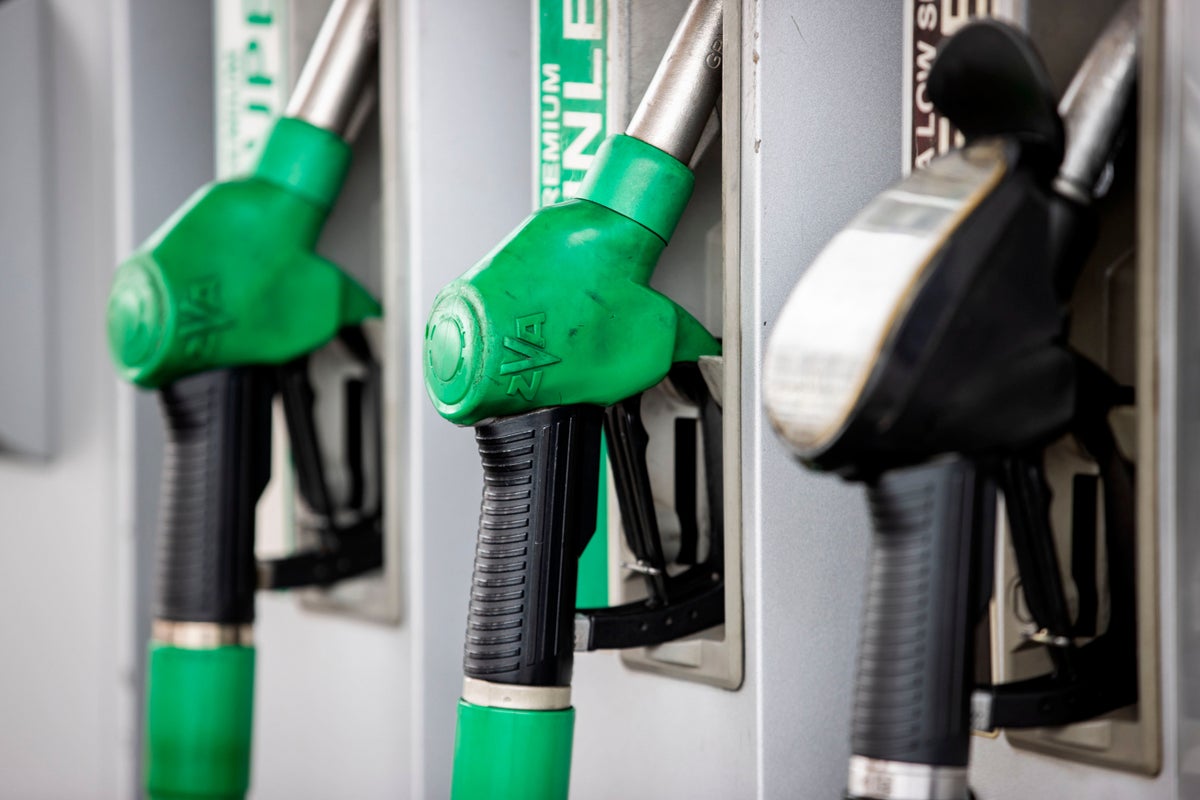
Don't let the geopolitical posturing distract you from the immediate impact. This war is hitting you at the pump right now. Every day that the "team effort" Trump wants fails to materialize is another day of market volatility.
The U.S. Energy Secretary, Chris Wright, admitted there are "no guarantees" prices will drop. Even if the U.S. begins "sweeping the strait very strongly," as Trump promised, removing sea mines is a slow, agonizing process. You can't just speed-run naval mine clearance.
Where do we go from here
The allies are currently in a "wait and see" mode, hoping the U.S. finds a diplomatic off-ramp before the alliance actually fractures. If you’re following this, watch the UK and Japan. If they refuse to send ships, Trump’s "NATO is a one-way street" rhetoric will likely ramp up, potentially leading to a withdrawal of U.S. support in other regions.
Keep an eye on the China summit. If Trump actually cancels or delays his meeting with Xi, it signals that the administration is prioritizing the Hormuz blockade over the broader trade war. For now, expect fuel prices to remain high and the rhetoric from the White House to get even sharper as the "three-week" timeline for the war starts to look like a much longer commitment.
Check your local energy provider’s latest rate updates. Many are already adjusting for the $100+ barrel reality. If you're planning international travel, look at your airline’s fuel surcharge policies—they’re being updated weekly as the conflict in the Middle East expands.