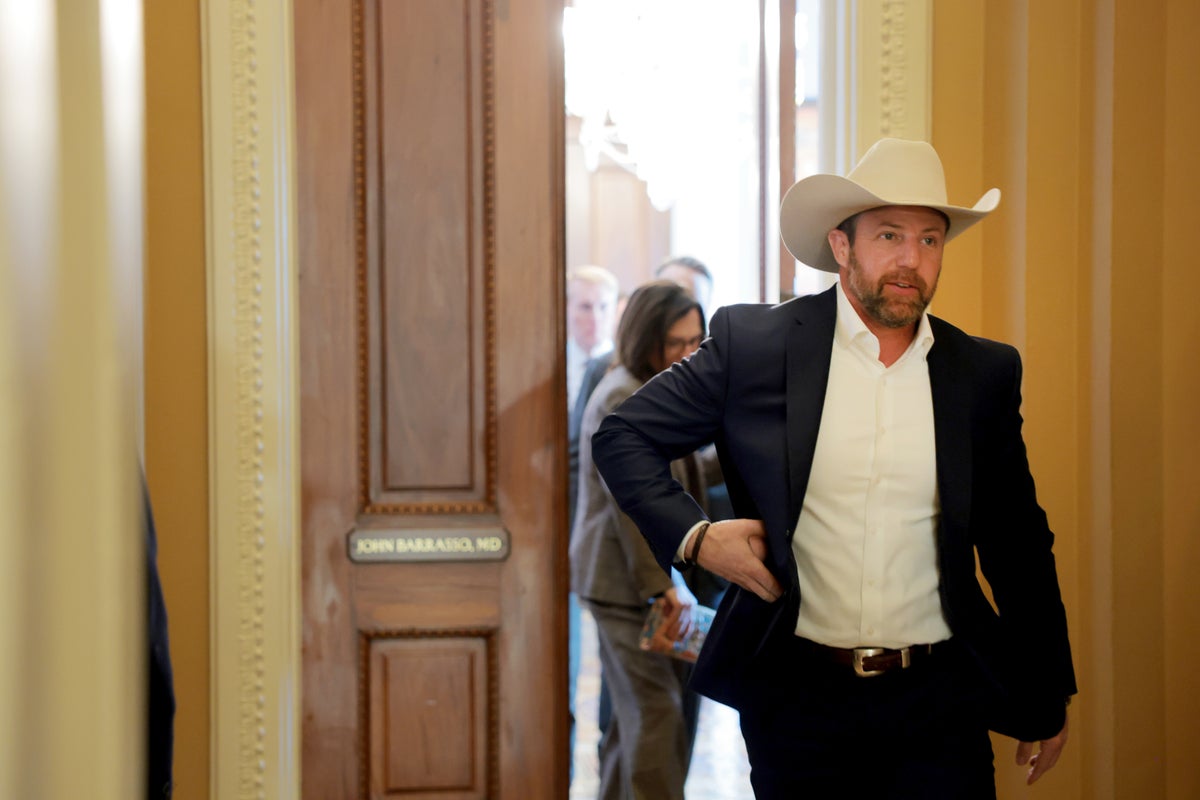
The ethics of Washington just took another hit. Senator Markwayne Mullin, the man Donald Trump tapped to replace Kristi Noem as Homeland Security Secretary, is under fire for some incredibly convenient stock trades. It turns out he bought shares in oil and defense companies just days before the U.S. military launched a raid in Venezuela to capture Nicolás Maduro.
If you're wondering why this is a big deal, it's about more than just a few thousand dollars in profit. It's about whether the people running the country are using classified briefings to pad their brokerage accounts.
The timing of the Markwayne Mullin stock trades
Mullin didn't just buy a random index fund. He targeted specific sectors that were guaranteed to move based on the administration's foreign policy. On December 29, 2025, just five days before "Operation Absolute Resolve" kicked off in Venezuela, Mullin purchased stock in Chevron, ConocoPhillips, and RTX Corp (formerly Raytheon).
When the news broke on January 3, 2026, that U.S. forces had captured Maduro and his wife, Cilia Flores, the markets reacted exactly how you'd expect. Energy prices spiked. Defense contractors saw a surge. Mullin’s portfolio wasn't just healthy; it was booming.
By the time he was officially announced as Noem’s successor at the Department of Homeland Security (DHS) in early March, those investments had already paid off. Reports suggest he netted roughly $35,000 in a matter of weeks. For a guy with a Senate salary of $174,000, that’s a massive "bonus" earned simply by knowing which way the wind was blowing.
Why Chevron was the perfect play
You have to look at the specific companies to understand the strategy here. Chevron isn't just any oil company; it's the only major U.S. producer that maintained a footprint in Venezuela during the years of sanctions. They had the most to gain from a regime change or a "friendly" takeover of the oil fields.
Trump has been vocal about wanting American companies to "run" Venezuela's oil industry. Since the raid, the administration has already moved to lift sanctions and issue new licenses. While other companies like ExxonMobil are being cautious, Chevron was positioned to be the first through the door. Mullin’s investment in Chevron wasn't a guess—it was a bet on a sure thing.
The problem with the Senate Armed Services Committee
The real kicker isn't just that he's a Senator. It's that Mullin sits on the Senate Armed Services Committee. That’s the group that gets the private, "eyes-only" briefings on upcoming military operations.
While the public was busy celebrating New Year’s, committee members like Mullin were likely hearing about the plans to bomb Venezuelan infrastructure and snatch Maduro. Trading on that information is, at best, a massive conflict of interest. At worst, it’s exactly what the STOCK Act was supposed to prevent.
- RTX Corp: Gained 15% following the initial strike.
- Chevron: Jumped 26% as oil deal rumors surfaced.
- ConocoPhillips: Surged 30% as the U.S. expanded its military footprint.
From Kristi Noem to Markwayne Mullin
Kristi Noem’s exit from DHS wasn't exactly graceful. After months of criticism over the administration’s handling of the southern border and a two-day grilling on Capitol Hill, she was out. Trump needed a "loyalist" and a "fighter," and he found that in Mullin, a former MMA fighter and a close personal friend.
But swapping Noem for Mullin brings a new set of headaches. While Noem struggled with policy execution, Mullin starts his tenure with an ethics cloud over his head. If the Senate confirmation hearing on March 18 goes as planned, you can bet Senator Rand Paul and others will have plenty of questions about his brokerage app.
How this affects the DHS confirmation
It’s hard to claim you’re "draining the swamp" when your top picks are buying defense stocks before a war. The Department of Homeland Security is the third-largest agency in the government. It’s responsible for everything from border security to disaster response through FEMA.
The concern now is whether a Secretary Mullin would use the massive intelligence apparatus of the DHS to inform his next "lucky" trade. We’ve seen this movie before, and it usually ends with the public losing trust in the very institutions meant to protect them.
If you're watching the markets, keep an eye on the March 18 hearing. It’s going to be a masterclass in deflection. Mullin has already defended his trades in the past, often citing that he doesn't manage the day-to-day moves of his portfolio. But when the trades happen five days before a literal invasion, that excuse starts to feel pretty thin.
Check the public disclosure reports for the Senate Armed Services Committee to see which other members might have had "good timing" this January. Transparency is the only tool we have left to keep these people honest.