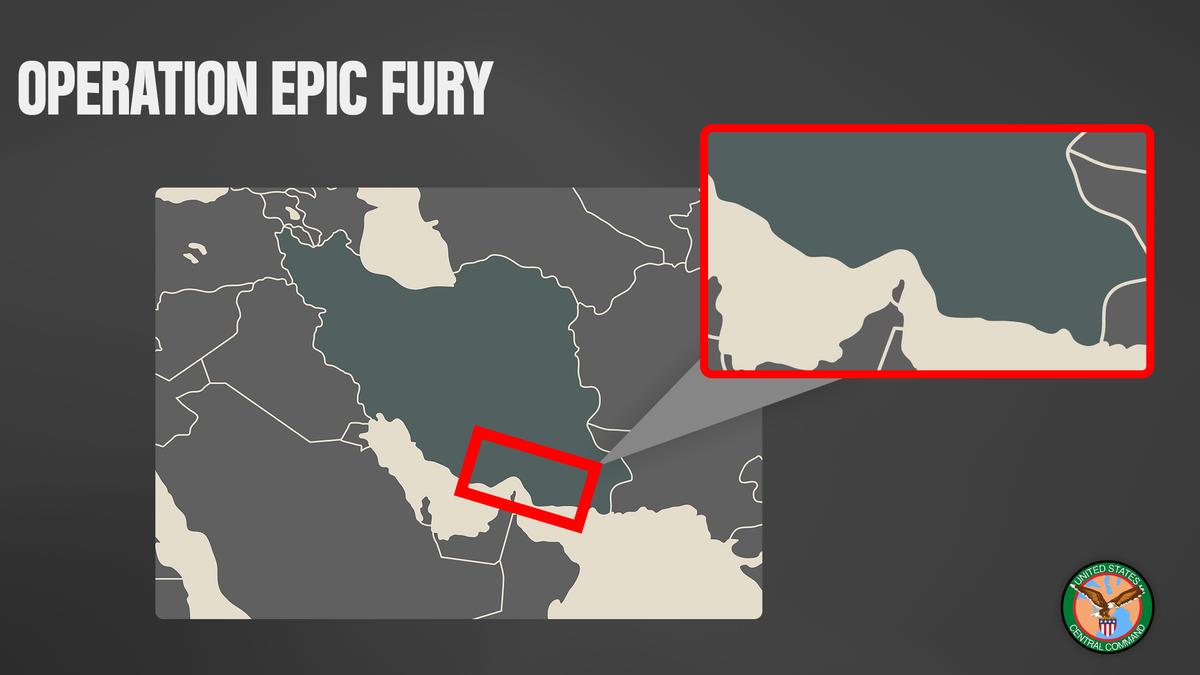
The United States just dropped the hammer on the Iranian coastline, but don’t expect your gas prices to drop anytime soon. Late Tuesday, U.S. Central Command confirmed it deployed multiple 5,000-pound deep penetrator munitions—better known as bunker busters—against hardened missile sites near the Strait of Hormuz. It's a massive escalation in a war that’s now entering its third week, and honestly, it smells like desperation from a Washington administration watching the global economy bleed.
If you’re wondering why this matters to you, look at the nearest gas station. The Strait of Hormuz is the world's most important oil chokepoint. About 20% of the world's petroleum flows through that narrow strip of water. Since the U.S.-Israeli campaign began on February 28, Iran has effectively paralyzed the waterway. These new strikes aren't just about "degrading capabilities." They’re a loud, expensive attempt to force the door back open. It isn't working yet.
Why 5,000 Pound Bombs Aren't Enough
The technical name for the stars of this show is the GBU-72/B. These aren't your standard explosives. They’re designed to burrow through dozens of feet of reinforced concrete before detonating. The goal? To kill the anti-ship cruise missiles Iran has tucked away in "missile cities" carved into the coastal mountains.
CENTCOM claims these sites posed a direct risk to international shipping. That’s true. One missile from a hidden cave can sink a billion-dollar tanker. But here’s the reality: you can’t bomb every cave. Iran’s strategy doesn't rely on a formal navy—which the U.S. claims is already mostly "gone." It relies on asymmetric chaos. They use mobile launchers, drones, and small fast-boats that are nearly impossible to track from 30,000 feet.
The U.S. is using a sledgehammer to try and hit a hundred different flies. Sure, we’re hitting some of them. But the flies that are left are still enough to keep the Strait "effectively closed." No insurance company is going to cover a tanker passing through a zone where 5,000-pound bombs are falling.
The Alliance That Isnt
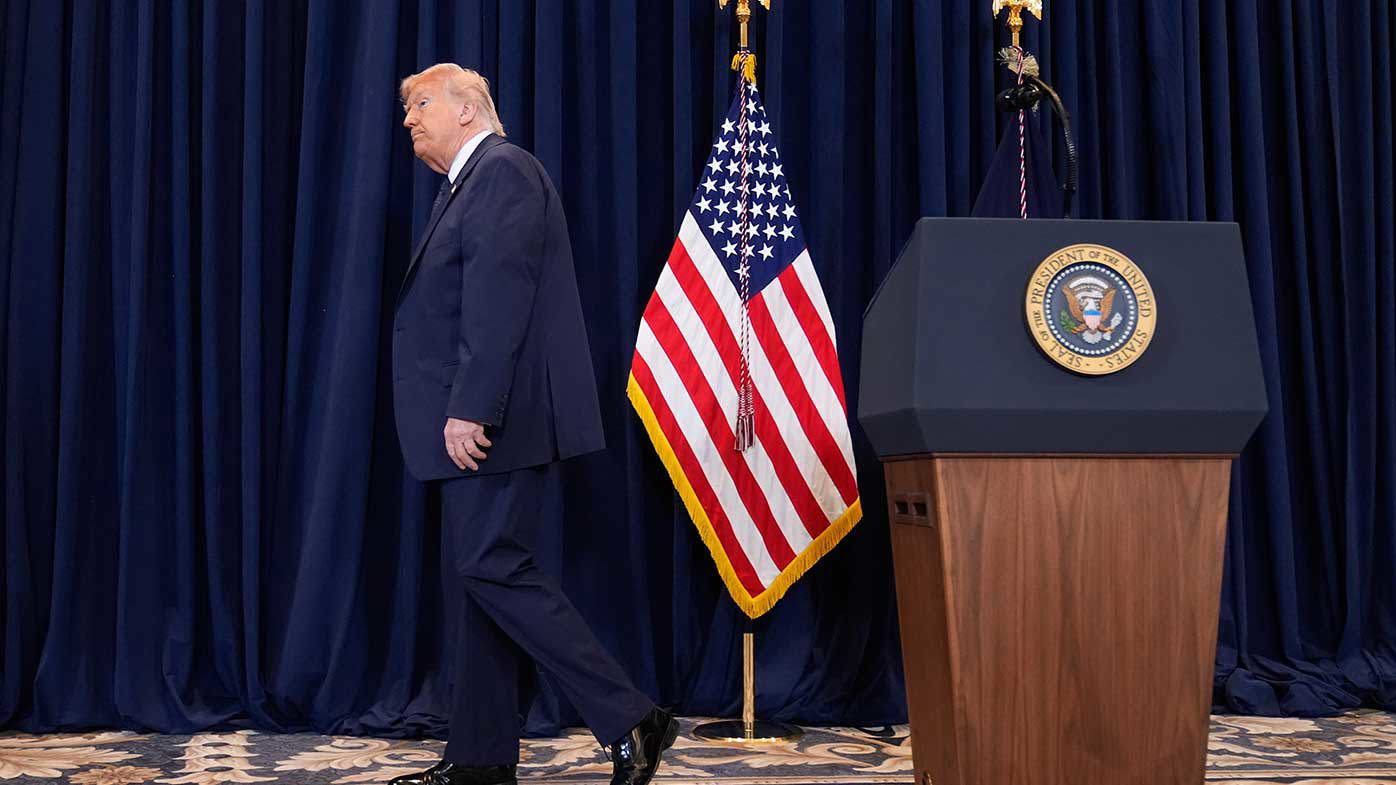
President Trump hasn't been shy about his frustration. He’s been calling for a "joint escort mission" to get the tankers moving again. The response? A giant collective shrug from our closest allies.
- Germany said a flat "No" to becoming an active part of the conflict.
- France isn't moving until the situation "calms down."
- Japan, Australia, and South Korea—countries that actually need this oil more than the U.S. does—have all rejected the call to send warships.
It’s a bizarre scene. Trump is posting on Truth Social that the U.S. "does not need the help of anyone," while simultaneously fuming that NATO won't even send a few minesweepers. The U.S. is increasingly isolated in this campaign. Even at home, the cracks are showing. Joe Kent, the director of the National Counterterrorism Center, just resigned because he couldn't "in good conscience" back the justification for these strikes. When your own counter-terror chief walks out mid-war, you've got a narrative problem.
The 25 Day Clock
Here is the number that should keep you up at night: 25 days.
According to J.P. Morgan analysts, major oil producers like Saudi Arabia, Iraq, and the UAE can only sustain their current output for about 25 days if the Strait remains fully blocked. We’re already deep into March. If the tankers don't start moving by the end of next week, the "emergency reserve releases" from the IEA won't be enough to stop a global shock.
Brent crude is already hovering around $100 a barrel. If Iran decides to stop playing "smart control"—where they let Chinese ships through but target everyone else—and goes for a total blockade, we’re looking at a different world. Iran’s parliament speaker, Mohammad-Bagher Ghalibaf, warned Tuesday that the Strait "won't return to its pre-war status." That’s a polite way of saying the old rules of maritime trade are dead.
What Happens Next
The Pentagon thinks more "deep penetration" is the answer. They’re targeting the IRGC Navy headquarters and coastal batteries with relentless air campaigns. But military power has limits. You can destroy a building, but you can’t easily destroy the geographical advantage Iran holds over that 21-mile-wide passage.
The next few days are critical. Watch for whether the U.S. shifts targets toward Iranian oil infrastructure on Kharg Island. If that happens, the "limited" war is over, and we’re in a full-scale regional conflagration.
If you're looking for a silver lining, there isn't one in the short term. Expect higher prices at the pump and more "shocking" headlines from the Persian Gulf. The U.S. has the biggest bombs, but Iran still has the most important geography.
Keep an eye on the shipping insurance rates in the London market. If those don't start to drop after these bunker-buster strikes, it means the industry doesn't believe the U.S. has actually cleared the threat. That’s the real metric of success, not CENTCOM’s Twitter feed.