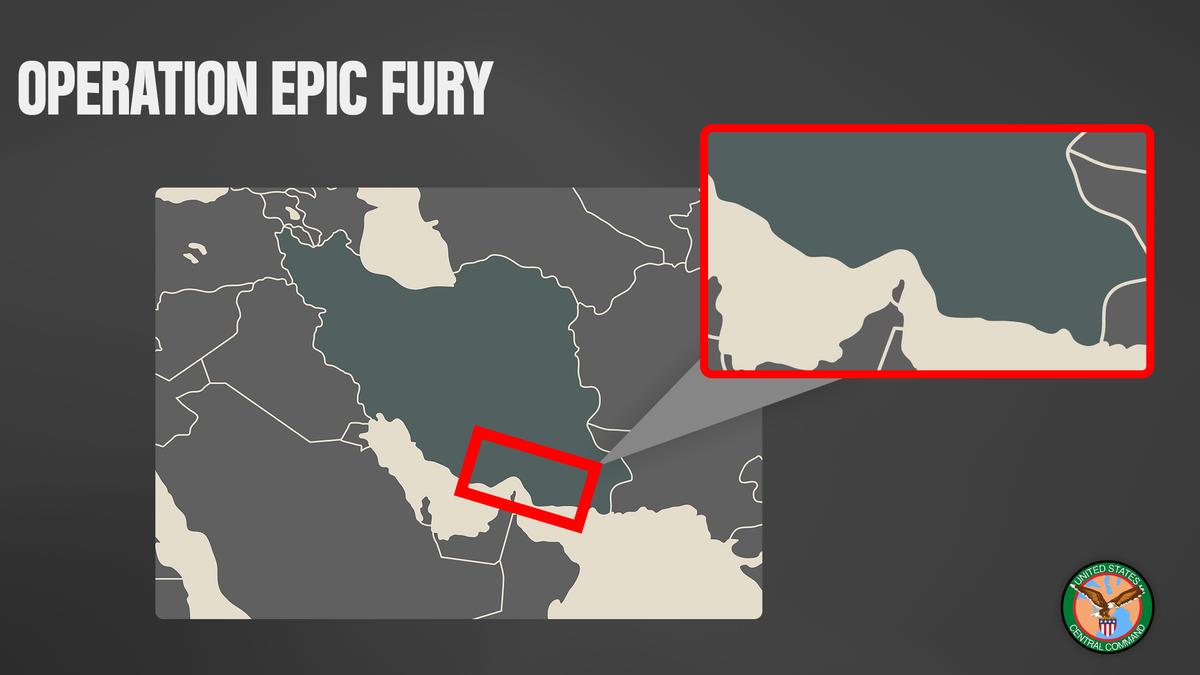
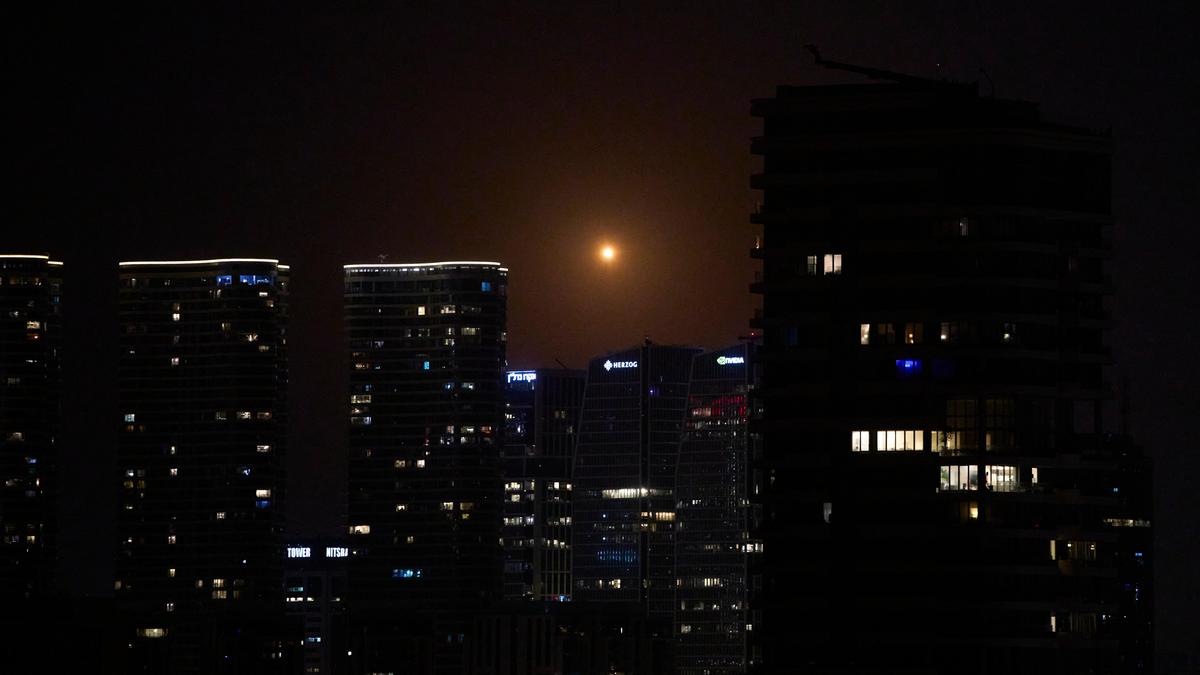
Australian personnel stationed at Al Dhafra Air Base in the United Arab Emirates have narrowly avoided the kinetic fallout of escalating Middle Eastern tensions. While official reports emphasize the safety of the troops following Iranian missile strikes in the region, the event reveals a precarious reality for Canberra’s regional footprint. The missiles didn't hit the Australian barracks, but they shattered the illusion that these bases remain untouchable sanctuaries.
Australia’s presence in the UAE is part of a complex logistical web supporting operations across the Middle East. When Tehran launches a volley of precision-guided munitions toward the Arabian Peninsula, it isn't just a regional spat. It is a direct challenge to the Western security architecture that Australia helps maintain. The safety of the troops is a relief, but the proximity of the impact points suggests that the protective "umbrella" is thinning.
The Geography of Vulnerability
Al Dhafra is a crowded hub. It hosts the US Air Force’s 380th Air Expeditionary Wing alongside Emirati and Australian assets. In the eyes of an Iranian drone operator or a missile commander in Bandar Abbas, these distinctions are academic. A strike on the base is a strike on the collective.
The Iranian military has spent two decades refining its "Anti-Access/Area Denial" (A2/AD) capabilities. They aren't looking to win a conventional dogfight against an F-35. They want to make the cost of staying in the neighborhood too high to pay. By targeting the periphery of major bases, Tehran sends a calibrated message. They can touch the "untouchable" without triggering a full-scale war, but the margin for error is shrinking to nothing.
Australia’s commitment to the UAE base is primarily focused on Operation Okra and the logistical support for the broader region. This involves heavy lift aircraft and personnel who are vital for the movement of supplies and intelligence. They are high-value targets in a low-intensity conflict. If a single missile goes off-course by a few hundred meters, the political fallout in Canberra would be seismic.
The Technology of the Threat
We have to look at what Iran is actually firing. These aren't the erratic Scuds of the 1990s. The modern Iranian arsenal includes the Fateh-110 family of short-range ballistic missiles. These use GPS and inertial navigation to achieve a circular error probable (CEP) of less than 10 meters.
- Precision: Iran can now choose which hangar to hit.
- Saturation: They use "swarm" tactics, launching drones and missiles simultaneously to overwhelm Aegis or Patriot defense systems.
- Plausible Deniability: By using proxies or launching from mobile platforms, they complicate the retaliatory math for Western powers.
The UAE has invested billions in the Terminal High Altitude Area Defense (THAAD) and Patriot systems. These batteries were active during the recent incidents. However, no defense is 100% effective. A "leaker"—a missile that gets through—is a statistical certainty if the volume of fire is high enough. Australian troops are essentially betting their lives on the interception rate of third-party hardware.
Canberra’s Quiet Recalculation
For years, the Australian Department of Defence has maintained a "business as usual" tone regarding Middle Eastern deployments. The official line is always about stability and counter-terrorism. But the shift in Iranian capability forces a rethink.
Is the strategic benefit of maintaining a presence at Al Dhafra worth the risk of a mass-casualty event caused by a regional power play Australia didn't start?
There is a growing school of thought among defense analysts that Australia’s "Forward Presence" is becoming a "Forward Liability." As the Australian Defense Strategic Review (DSR) shifts focus toward the Indo-Pacific, the Middle Eastern footprint looks increasingly like a legacy commitment. It is an expensive, risky hangover from a different era of global security.
The Iranian missile strikes serve as a stress test. They test the physical defenses of the base, but they also test the political will of the coalition partners. If Australia stays, it must accept that its troops are now permanent pawns in a long-range chess game between Washington and Tehran.
The Intelligence Gap
One of the most concerning aspects of these strikes is the warning time. Or lack thereof.
In past conflicts, troop movements and fueling cycles provided hours of lead time. Modern solid-fuel missiles can be prepped and launched in minutes. This places immense pressure on the Combined Air Operations Center (CAOC) at Al Dhafra. Australian personnel involved in these operations are working under a permanent "red alert" mentality.
The psychological toll of living under a missile flight path is rarely discussed in official briefings. You can be safe today, but the siren could go off tonight. And tomorrow. And the day after. This is "gray zone" warfare in its purest form. It is designed to degrade the readiness and morale of the adversary without ever firing a shot at their chest.
Counter-Arguments and The "Stay" Logic
Critics of a withdrawal argue that leaving the UAE would signal weakness and embolden Iranian aggression. They claim that the Australian presence provides a crucial layer of legitimacy to the international coalition.
"If the Western allies retreat every time a missile is fired, the international order collapses. The presence at Al Dhafra isn't just about logistics; it’s about the principle of collective defense."
This is a valid point, but it ignores the changing nature of the threat. Collective defense works when the threat is predictable. Iran’s use of asymmetric strikes and non-state actors (like the Houthis) makes the traditional "tripwire" strategy obsolete. Australia is providing the tripwire, but it's not clear if anyone is prepared to deal with what happens when the wire is pulled.
Furthermore, the UAE itself is re-evaluating its position. Abu Dhabi has been engaging in a delicate diplomatic dance with Tehran to lower the temperature. Australia, as a junior partner in the base, has little say in these bilateral negotiations. Canberra is essentially a passenger in a vehicle driven by the US and the UAE, moving through a minefield.
The Hard Truth of Base Defense
To keep Australian troops truly safe, Al Dhafra would need a significant upgrade in hard-shell protection. This means:
- Hardened Aircraft Shelters (HAS): Reinforcing every structure to withstand direct hits from 500lb warheads.
- Increased Redundancy: Moving critical logistics off-base to secondary locations.
- Active Electronic Warfare: Deploying advanced jamming suites that can "blind" incoming seekers.
These upgrades cost billions. More importantly, they take years to implement. In the meantime, the safety of the troops depends on the restraint of a regime in Tehran that feels increasingly cornered.
The missile strikes near the UAE base weren't a fluke or a failure. They were a demonstration. They showed that the reach of the Iranian Islamic Revolutionary Guard Corps (IRGC) now extends comfortably to the doorsteps of Western outposts. Australian troops are safe for now, but "safe" is a relative term when you are sitting in the crosshairs of a regional arms race.
The real question isn't whether the missiles missed this time. It’s whether the Australian government has an exit plan for when they don't. The policy of "quiet contribution" is being overtaken by the loud reality of ballistic trajectory.
Evaluate the necessity of the Al Dhafra deployment against the rising accuracy of Iranian strike packages.