The Myth of the Isolated Strongman
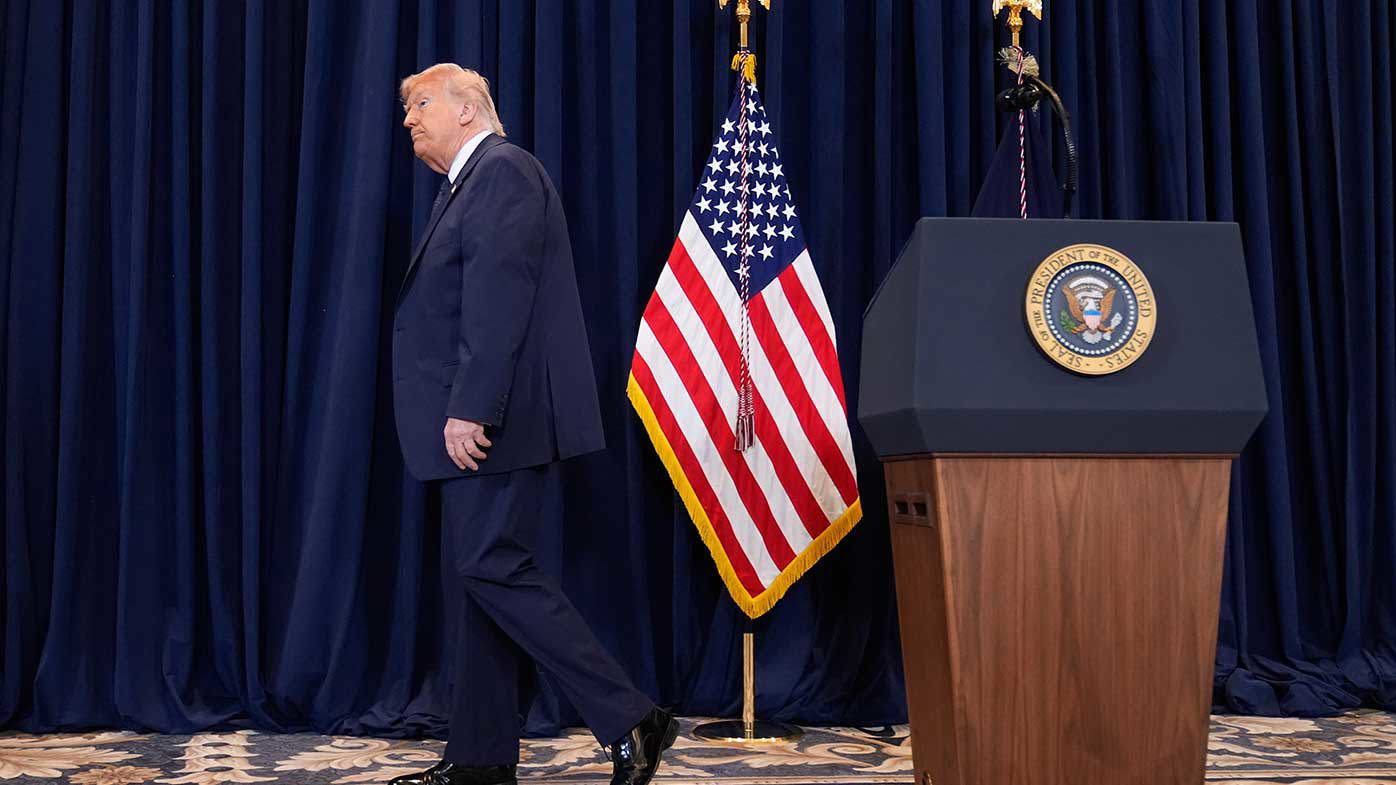
The mainstream media loves a "lonely at the top" narrative. It paints a picture of a frantic leader berating allies in a vacuum, a man adrift because he lacks the warm embrace of the North Atlantic Council or the soft approval of the G7. They see a President "finding himself alone" on Iran and immediately diagnose it as a strategic collapse.
They are wrong. They are measuring 21st-century power with a 19th-century yardstick.
In the world of high-stakes geopolitical brinkmanship, "isolation" is often just another word for "leverage." When you stop playing by the rules of a club that hasn't won a meaningful conflict in three decades, the club members will naturally claim you’ve lost your mind. But if you're the one holding the keys to the global financial system and the world's most lethal kinetic force, being "alone" is a choice. It’s a tactical decoupling from a consensus that has failed.
The "lazy consensus" suggests that a U.S. President is only successful if he has a choir of European bureaucrats singing backup. This is the same consensus that watched the Middle East burn for twenty years while nodding at PowerPoint presentations in Brussels.
The Alliance Industrial Complex
Let’s talk about the "battle scars" of diplomacy. I’ve watched multi-billion dollar defense contracts stall because a mid-level diplomat in a "partner" nation didn't like the tone of a cable. I’ve seen strategic objectives diluted into mush just to ensure a joint communique looked "unified" for a five-minute segment on cable news.
Traditional alliances are frequently nothing more than suicide pacts for innovation. They demand a slowest-common-denominator approach to foreign policy. If you have to wait for Germany to secure its gas supply or for France to poll its domestic labor unions before you move against a state sponsor of terrorism, you aren't a leader. You’re a hostage.
The "berating" of allies isn't a temper tantrum. It’s a stress test.
By publicly calling out the discrepancy between alliance rhetoric and alliance spending, the administration broke the feedback loop of the "Alliance Industrial Complex." This isn't about being "friends." International relations is not a middle school cafeteria. It is a marketplace of interests.
Why the "Unity" Metric is Fraudulent
- Unity is the enemy of speed. In the age of cyber warfare and rapid-response proxies, waiting for a consensus-based coalition is a death sentence.
- Unity hides free-riders. When everyone is "together," it’s easy for nations to hide their lack of contribution behind the U.S. flag.
- Unity is predictable. If Iran knows exactly what the "international community" will allow, they can map out their aggression with mathematical certainty.
When Trump stood "alone," he introduced the one thing every strategist fears most: Unpredictability.
Iran and the Cost of Polite Failure
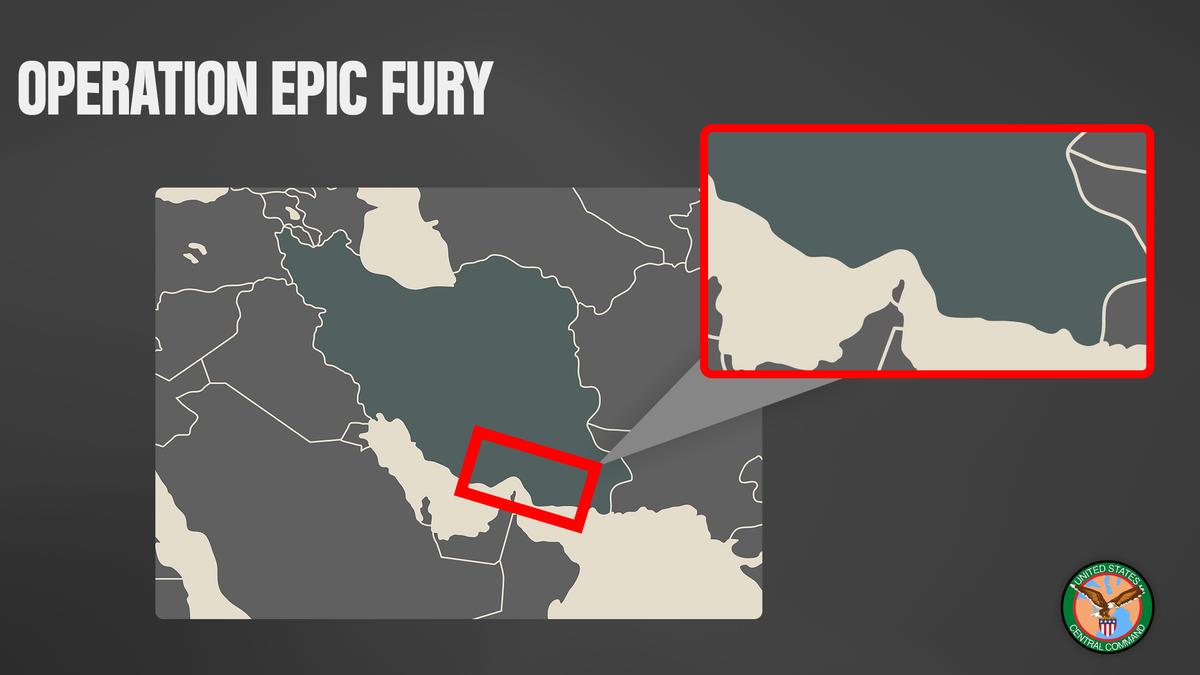
The competitor's piece argues that being alone on Iran made the U.S. weaker. Let’s look at the "nuance" they missed. The Joint Comprehensive Plan of Action (JCPOA) was a masterpiece of polite failure. It was a deal designed to kick a radioactive can down a very short road while letting European corporations sign oil deals in Tehran.
The "allies" weren't upset because the U.S. was "alone." They were upset because the U.S. disrupted their balance sheets.
The Financial Chokepoint
You don't need a coalition when you own the clearinghouse. The U.S. dollar is the ultimate unilateral tool. By reimposing sanctions, the U.S. proved that the "unified" opposition of Europe was a paper tiger. European companies—from Total to Siemens—didn't listen to their own governments. They listened to the U.S. Treasury.
They fled Iran because the risk of being decoupled from the American market outweighed the benefit of "standing with allies." This is the brutal reality of power that the "isolation" narrative ignores. You can be "alone" at the podium but still have the entire global market following your lead because they have no other choice.
Dismantling the "People Also Ask" Nonsense
Is the U.S. losing its status as a global leader? This question is flawed because it assumes "leadership" means "being liked." If leadership means the ability to dictate global economic outcomes and force adversaries to rethink their regional expansion, then the U.S. is more dominant than ever. We’ve traded the "soft power" of cultural approval for the "hard power" of economic reality. It’s not as pretty on a postcard, but it’s far more effective.
Why does Trump attack NATO allies? Because NATO was operating on a 1950s business model in a 2020s world. If you own a franchise and half your franchisees aren't paying their dues but are still using the brand name to get discounts, you don't "foster" them. You audit them. You berate them. You threaten to pull the license. That’s not a breakdown of the system; it’s a necessary restructuring.
The ROI of Conflict
Let’s look at the data. For decades, the "consensus" approach led to:
- Trillions spent on nation-building.
- Indefinite troop deployments with no exit criteria.
- A rising China and an emboldened Iran.
The "contrarian" approach—the one that "finds itself alone"—focused on:
- Maximum Pressure: Forcing the adversary to negotiate from a position of economic exhaustion.
- Burden Sharing: Making it politically impossible for allies to continue their defense spending hibernation.
- Transactional Diplomacy: Ending the era of the "blank check" for foreign aid.
Imagine a scenario where the U.S. continued to play the "good ally" role. We would still be funding 75% of NATO’s overhead while the EU built pipelines to Russia and signed trade pacts with Iran. The "isolation" was a necessary surgical strike against a parasitic relationship.
The Downside of Being Right
The risk of this contrarian path is clear: it creates a vacuum that others might fill. But here is the truth nobody admits: Nobody else can fill it. China’s "Belt and Road" is a debt-trap scheme, not a security umbrella. Russia is a gas station with nukes. The EU is a regulatory body without a unified military.
The U.S. can afford to be alone. Nobody else can afford for the U.S. to be gone.
Stop Asking for Permission
The obsession with "allies" is a psychological crutch for leaders who are afraid to make a call. It provides a built-in excuse for failure: "We wanted to do more, but our partners weren't ready."
I’ve seen CEOs do this when they’re afraid to pivot. They wait for "board alignment" or "industry standards" while their company bleeds out. The greats don't wait. They move, and the market adjusts.
The U.S. didn't "find itself alone" on Iran. It chose to lead in a direction the others were too timid to follow. It didn't "berate" allies because of a personal grudge; it spoke the language of consequences to a group of nations that had forgotten they existed.
The next time you see a headline about a leader being "isolated" on the world stage, don't pity them. Ask yourself what they’ve finally stopped asking permission for.
True power is the ability to walk away from a bad deal when everyone else is telling you to sign. It’s noisy. It’s ugly. It’s offensive to the polite society of career bureaucrats.
It is also the only way to actually change the world.
Stop looking for consensus and start looking for results.