.jpeg?width=1200&auto=webp&trim=0%2C0%2C399%2C0)
The resignation of Joe Kent as Director of the National Counterterrorism Center (NCTC) is not just another high-level departure in a volatile administration. It is a structural failure of the American intelligence apparatus during a hot war. When the man responsible for synthesizing every scrap of terror-related data in the United States walks out during the third week of Operation Epic Fury, the official narrative of "preemptive self-defense" begins to dissolve.
For weeks, the White House has maintained that the joint U.S.-Israeli strikes on Tehran, which began on February 28, 2026, were a necessary response to an "imminent" Iranian attack. Kent, a decorated Green Beret with eleven combat deployments, has used his exit to call that a lie. His departure exposes a rift not just in the MAGA coalition, but between the operational reality of the intelligence community and the political theater of the Oval Office.
The Imminence Gap
In the cold language of international law and military engagement, "imminence" is a specific threshold. It requires evidence of an adversary’s capability, intent, and a definitive timeline for an attack. According to Kent, none of these boxes were checked. His resignation letter, released shortly after he stepped down on March 17, 2026, alleges that the administration ignored NCTC assessments in favor of a "misinformation campaign" designed to drag the U.S. into a regional conflagration.
The timing is critical. In the days leading up to the February 28 strikes, Omani-mediated talks in Geneva were reportedly yielding "significant progress." Sources within the intelligence community suggest that the "imminent threat" cited by the White House was actually a series of routine IRGC movements that were recontextualized by outside influencers to look like a countdown to a strike on U.S. assets in the Gulf.
Broken Intelligence or Selective Hearing
The friction between Kent and the White House centers on how intelligence is "cooked" before it reaches the President’s desk. As NCTC chief, Kent oversaw the hub where CIA, NSA, and FBI data converge. If a credible threat to the homeland existed, it would have lived on his screen.
Instead, Kent points to a familiar pattern: the creation of an "echo chamber." He argues that specific Israeli intelligence, filtered through a sympathetic domestic lobby, was given priority over the more cautious, nuanced findings of the American career analysts. It is a repeat of the 2003 Iraq playbook, updated for a new century.
The Nuclear Breakout Hallucination
A pillar of the administration’s justification for the war is the claim that Iran was on the "verge" of a nuclear breakout. On March 17, House Speaker Mike Johnson reinforced this, claiming Iran was "very close" to weapons-grade enrichment.
The data tells a different story. While Iran’s enrichment to 60% is a serious provocation, the step from fissile material to a deliverable warhead—weaponization—is a complex engineering hurdle that takes months, if not years. International Atomic Energy Agency (IAEA) reports from as recently as May 2025 indicated that while Iran had enough material for several devices if enriched further, there was no evidence of an active move toward constructing a bomb.
By launching Operation Epic Fury, the U.S. and Israel may have created the very reality they sought to prevent. Before the strikes, Iran’s program was a bargaining chip for sanctions relief. Now, with their leadership targeted and their sovereign territory under fire, the "nuclear grievance" has replaced "nuclear latency." Tehran no longer sees a bomb as a luxury; they see it as the only guarantee of regime survival.
The Fracturing of America First
Joe Kent was not a "Deep State" plant. He was a hand-picked loyalist, confirmed by a 52-44 Senate vote, intended to bring an "America First" skepticism to the intelligence world. His defection is a blow to the administration's ideological core.
The reaction has been a study in political tribalism.
- The White House: President Trump dismissed Kent as "weak on security," a standard retort for anyone who breaks rank. Press Secretary Karoline Leavitt insisted the evidence was "compelling," though it remains classified.
- The Non-Interventionist Right: Figures like Marjorie Taylor Greene and Tucker Carlson have rallied behind Kent, framing the war as a betrayal of the 2024 campaign promise to end "forever wars."
- The Intelligence Community: Analysts inside the NCTC and ODNI are reportedly demoralized. When the Director of the NCTC says he cannot "in good conscience" support a war because the underlying intelligence is fraudulent, it signals to every analyst in the building that their work is secondary to political objectives.
The Cost of the Echo Chamber
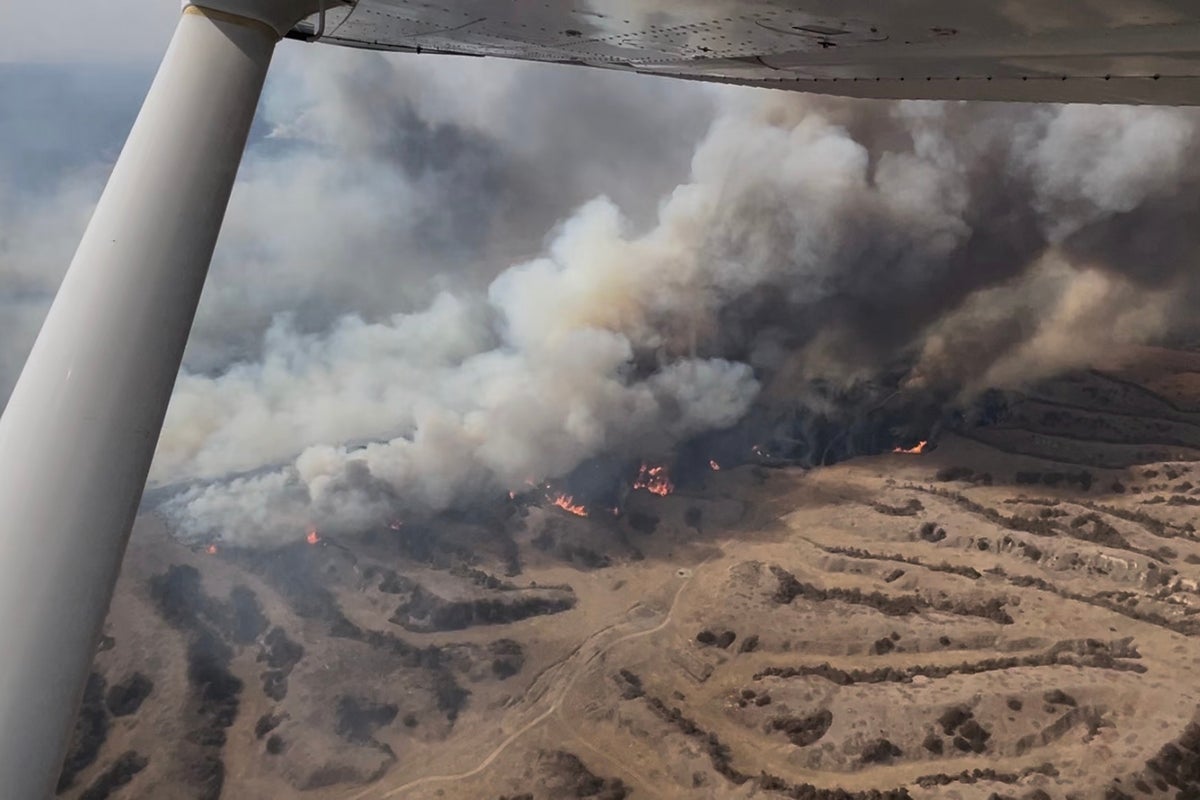
The human cost of this intelligence failure is already mounting. Operation Epic Fury has seen over 1,000 targets struck across 26 Iranian provinces. The Iranian Red Crescent reports nearly 800 deaths, including a horrific incident where a primary school near an IRGC complex was hit. On the other side, Iranian retaliatory strikes have hit civilian areas in Tel Aviv and Jerusalem, and 13 American service members have been killed in the opening weeks of the conflict.
Kent’s resignation highlights the danger of a foreign policy driven by "pressure from Israel and its powerful American lobby," as he put it. This isn't about being pro- or anti-Israel; it is about the sovereignty of American decision-making. When a foreign power’s security requirements supersede the findings of the U.S. National Counterterrorism Center, the "America First" doctrine isn't just compromised—it is dead.
The Pivot Point
We are currently in a state of "unprecedented escalation." The brief ceasefire of June 2025 is a distant memory. By taking out the Supreme Leader and degrading the IRGC's command structure, the U.S. has entered a phase where there is no clear partner for de-escalation.
The question for the American public is no longer whether Iran is a "bad actor." They are. The question is whether the United States was lied into a war that does not serve its national interest. Joe Kent has staked his career and his reputation on the answer being "yes."
If the administration cannot produce the "compelling evidence" of an imminent strike—not in a classified briefing for the "Gang of Eight," but in a way that satisfies the skepticism of its own counterterrorism chief—then Epic Fury will be remembered not as a masterstroke of deterrence, but as a catastrophic failure of oversight.
Demand the declassification of the "imminence" briefings immediately.