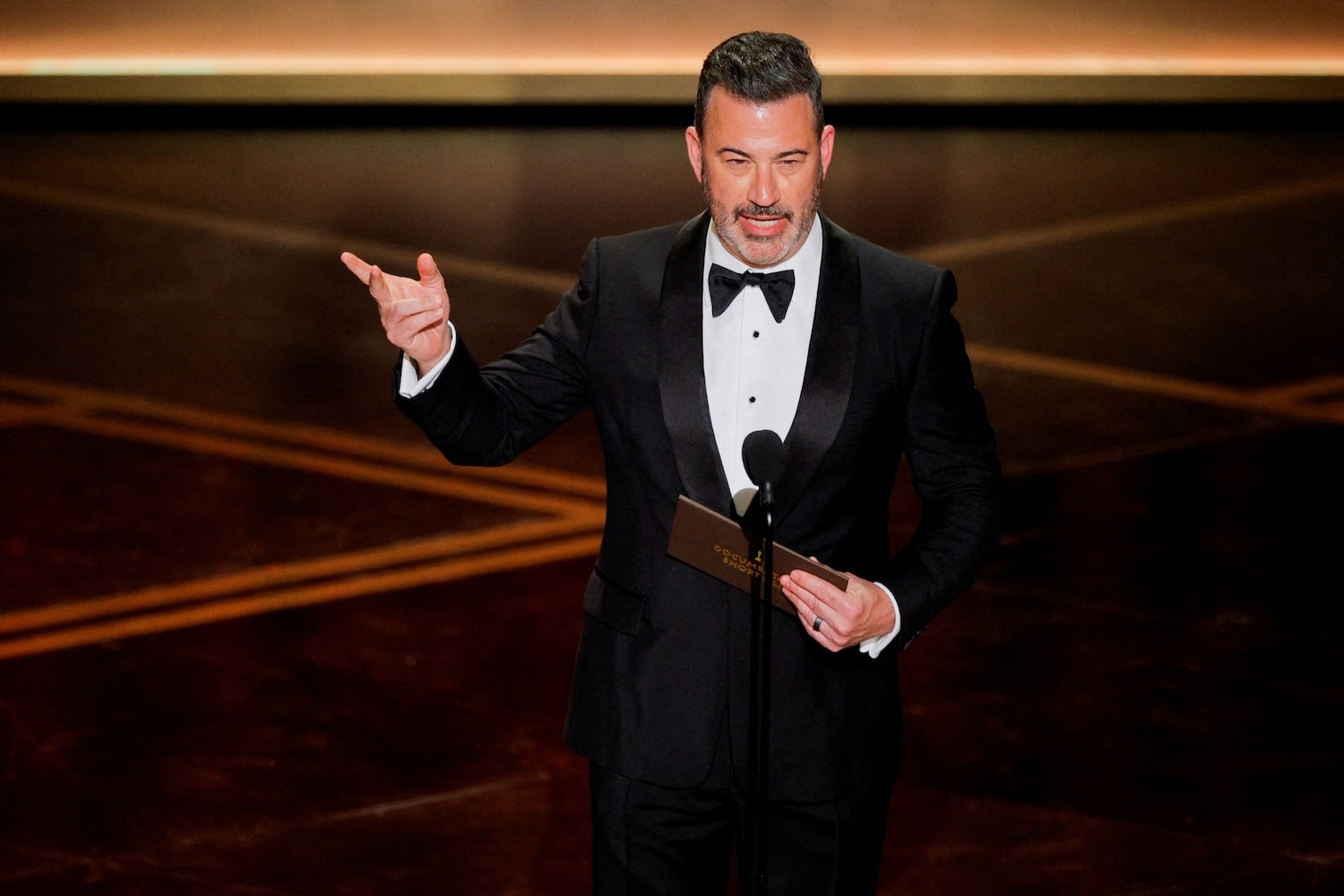
The air inside a television control room is a specific kind of cold. It is a sterile, pressurized chill designed to keep millions of dollars of server racks from overheating, but it often feels like it is there to keep the humans inside from sweating through their shirts. On a Tuesday night in Hollywood, the red light on a camera lens is the only heartbeat that matters. When a late-night host like Jimmy Kimmel walks out to his monologue, he isn't just delivering punchlines. He is walking a tightrope stretched over a canyon of corporate interests, political firestorms, and the shifting whims of a nervous boardroom.
Lately, that tightrope has started to fray.
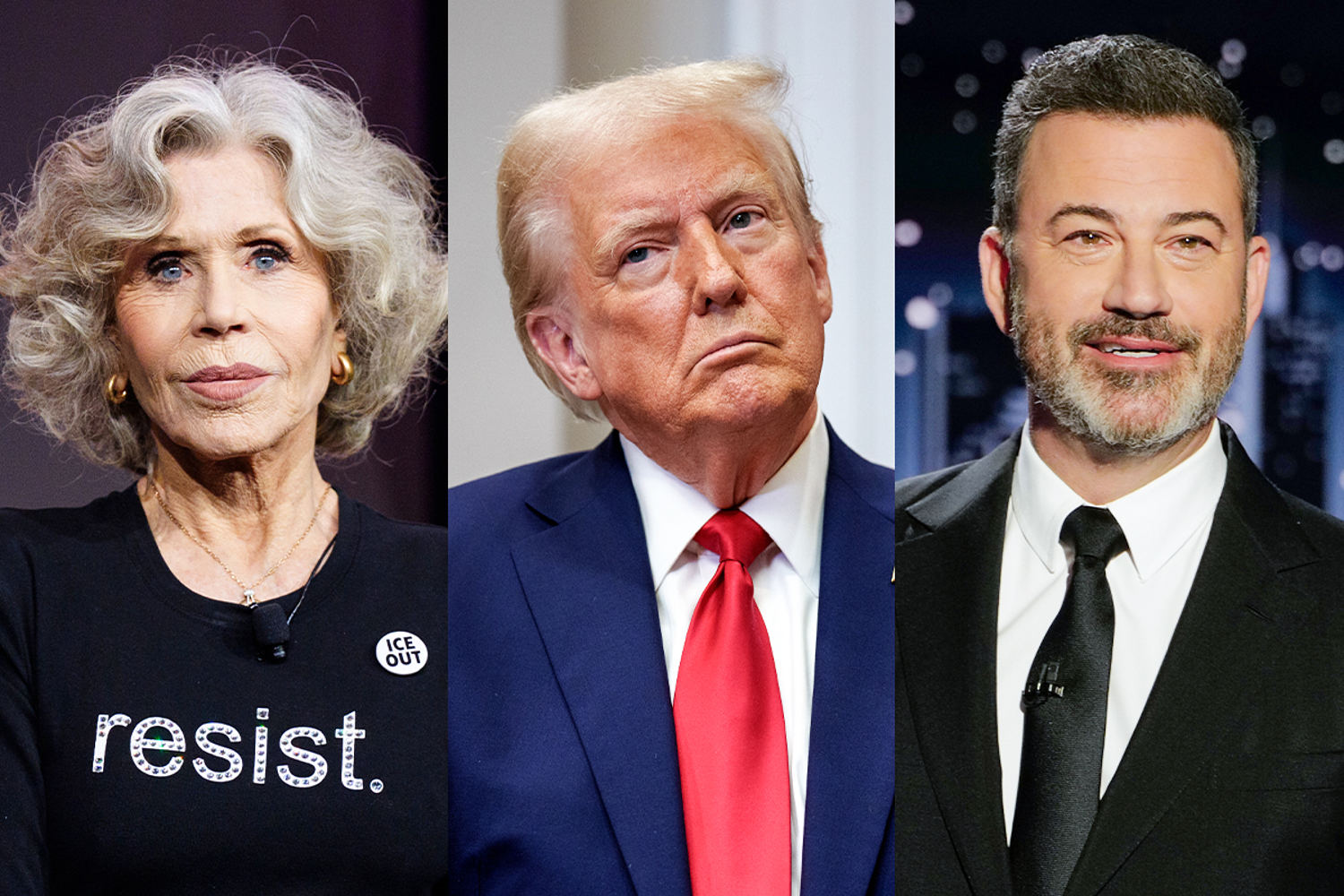
The pressure on Disney-owned ABC to distance itself from its most vocal critics of the political establishment isn’t just about ratings. It is about a fundamental shift in how we decide who is allowed to speak in the public square. When a coalition of activists, led by the Jane Fonda-founded Women’s Media Center, issued a public plea for ABC to resist political intimidation, they weren’t just defending a comedian. They were trying to plug a leak in the dam of free expression.
The Architect of the Monologue
To understand why a billionaire politician or a corporate executive would care about a few jokes told after 11:30 PM, you have to look at the power of the communal laugh. Humility is the enemy of authoritarianism. When Jimmy Kimmel uses his platform to dissect a policy or lampoon a candidate, he is doing more than entertaining. He is humanizing the abstract. He is making the untouchable look ridiculous.
For the people in power, that is dangerous.
Imagine a hypothetical junior executive at a network. Let’s call her Sarah. Sarah sits in meetings where the primary metric isn't "truth" or "art," but "brand safety." She watches the data come in. She sees the organized boycotts and the social media campaigns designed to make a host look like a liability. From Sarah’s desk, the easiest path is always silence. It is cleaner to avoid the controversy. It is safer to tell the writer’s room to pivot to celebrity anecdotes and away from the jagged edges of the national conversation.
But that safety is an illusion.
Every time a network bows to political pressure to "tone it down," they aren't just protecting their bottom line. They are shrinking the room where we are all allowed to disagree. The Jane Fonda-led coalition recognized this. Their letter to ABC leadership wasn't a fan note; it was a warning. If the gatekeepers of our culture begin to use political discomfort as a reason to sideline talent, the gate itself will eventually rust shut.
The Weight of the "Keep Kimmel" Movement
The specific friction point here involves the intersection of Donald Trump’s return to the political spotlight and Kimmel’s relentless critique of his actions. The demand from activists is simple: do not use a change in the political wind as an excuse to purge dissenting voices.
This isn't about whether you find Jimmy Kimmel funny. You might find him abrasive. You might disagree with every word he says. But the moment we allow a political figure to dictate who gets a microphone on a private network, the concept of a "free press" becomes a relic of a simpler time.
Freedom of speech is often treated as a dusty legal concept, something for Supreme Court justices to debate in leather chairs. In reality, it is a living, breathing thing. It exists in the moment a comedian decides not to cut a joke because it might offend a powerful sponsor. It exists when a producer stands behind a host even when the switchboard is lighting up with manufactured outrage.
Why the Pressure Works
The strategy of silencing through corporate pressure is remarkably effective because it operates in the shadows. It doesn't usually look like a dramatic firing. It looks like a "budgetary realignment." It looks like a host "deciding to spend more time with family." It is a slow, quiet erosion of autonomy.
When the Women’s Media Center and its allies stepped into the fray, they dragged these quiet conversations into the light. They reminded ABC—and by extension, the entire media industry—that the audience is watching the spine of the network as much as the content of the shows.
Consider the ripple effect. If a giant like ABC flinches, what happens to the local news anchor in a small market? What happens to the documentary filmmaker trying to sell a controversial project? If the top of the mountain is trembling, the base is already starting to slide.
The Ghost in the Machine
There is a psychological toll to this kind of environment. When creators feel that their job security is tied to their political compliance, the work changes. It becomes thinner. The jokes become broader. The insight vanishes. We lose the ability to speak truth to power because we are too busy checking if the power is looking at us.
The stakes are invisible until they aren't. We don’t notice the loss of a voice until the silence becomes deafening. The effort to keep Kimmel in his seat is about maintaining a space where the powerful are not exempt from the ridicule they often earn.
A joke is a small thing. A monologue is just a few minutes of television. But in a world where the lines between entertainment, news, and political warfare have blurred into a single, chaotic stream, these moments of defiance are the only things keeping us anchored.
The red light stays on for now. The cameras are still rolling. The scripts are still being written with a sharp pen. But the tension in that cold control room isn't going away. It is a constant tug-of-war between the courage to speak and the corporate instinct to survive.
The question isn't just whether ABC will keep a late-night host. It’s whether we still have the stomach to protect the voices that make us uncomfortable, even when—especially when—the pressure to stay silent is at its peak.
The microphone is open. The audience is waiting. The only thing left is to see who blinks first.