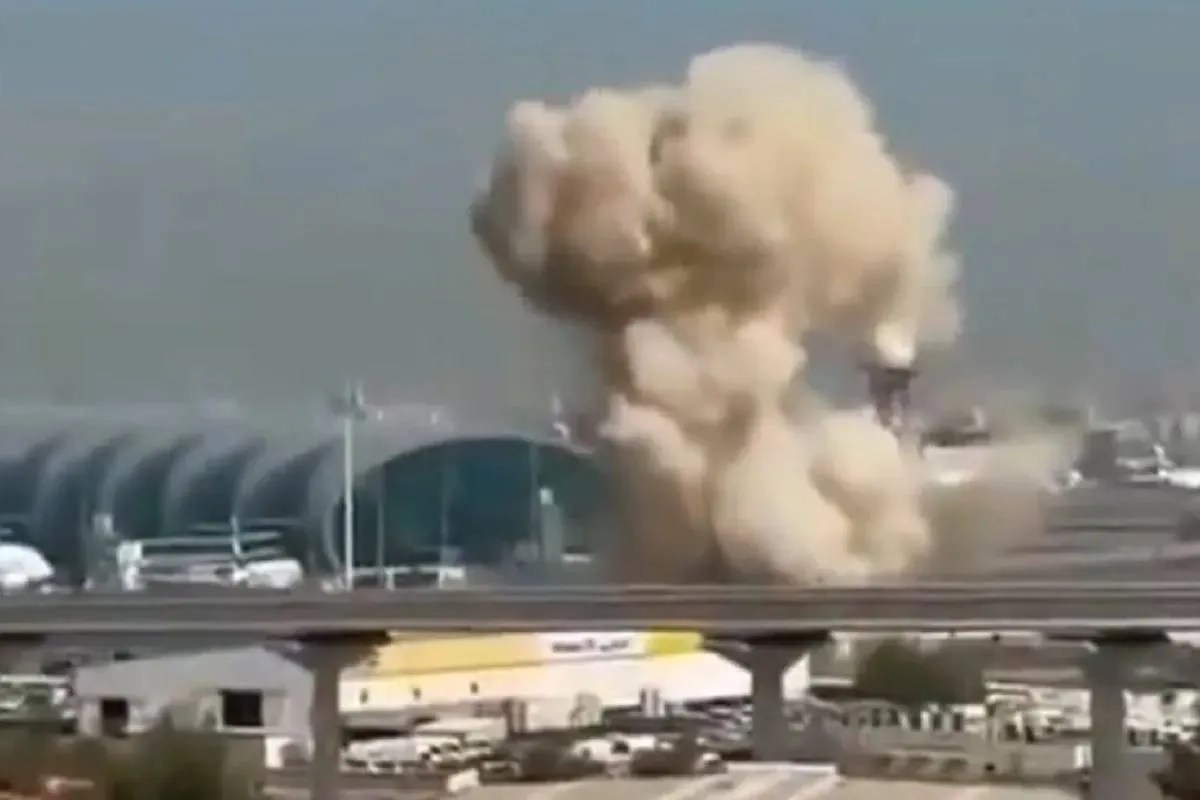
The Architecture of a Non-Event
Every time a shadow moves in the Gulf of Oman, the "insider" class screams about a global energy apocalypse. They point at Fujairah. They point at Kuwait. They scream about Iranian aggression. They are usually wrong. Not because tensions don't exist, but because they fundamentally misunderstand the mechanics of modern maritime warfare and the actual resilience of the global supply chain.
The lazy consensus suggests that a few localized strikes at a terminal or an airport represent a "tipping point" for $100 oil. This is a fairy tale for day traders and cable news pundits. I have watched energy markets for two decades, and the reality is far more clinical. Fujairah isn't a fragile bottleneck; it is a fortified, redundant hub designed specifically to withstand the very "attacks" that the media treats as unprecedented catastrophes.
The Myth of the Fragile Terminal
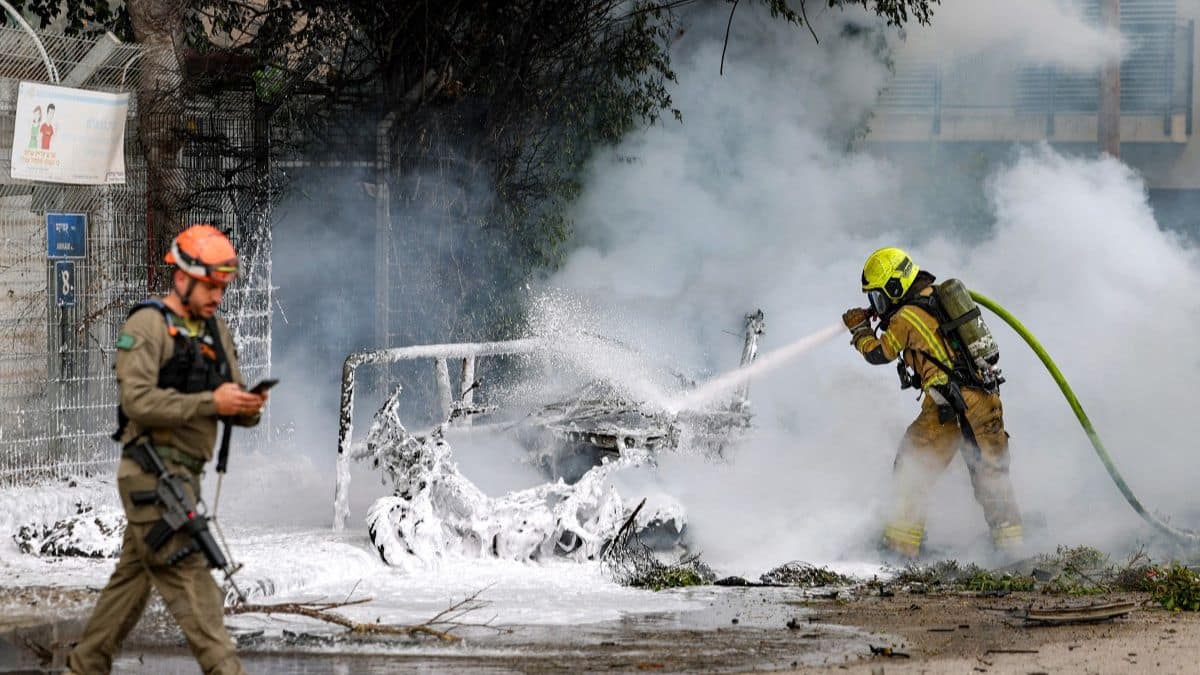
Fujairah is the world's second-largest bunkering port. It sits outside the Strait of Hormuz for a reason. Its existence is an insurance policy. When reports surface of "attacks" on oil tankers or terminal infrastructure, the immediate reaction is to price in a total shutdown of the Strait.
This is flawed logic.
- Redundancy is King: The Habshan–Fujairah pipeline can move 1.5 million barrels per day. It bypasses the Strait. To actually "disrupt" UAE exports, you don't just hit a tanker with a drone; you have to dismantle thousands of miles of subterranean and undersea infrastructure.
- The Kinetic Reality: Modern tankers are essentially floating steel fortresses. Unless you are using state-level anti-ship missiles (which triggers a full-scale conventional war that nobody, including Tehran, actually wants), "harassment" is just that. It's noise. It's a diplomatic signal sent with explosives.
- Insurance vs. Reality: The "jump" in oil prices after these events isn't driven by a shortage of physical crude. It’s driven by War Risk Surcharges (WRS). You aren't paying for "lost" oil; you are paying for the Lloyd’s of London underwriters' anxiety.
Kuwait Airport and the "Aviation Collapse" Fallacy
When headlines claim Kuwait International Airport was "targeted," the implication is a total regional grounding. This is theatrical nonsense.
Strategic targets in the Middle East follow a specific hierarchy. Commercial airports are high-visibility, low-utility targets. Damaging a runway or a terminal annex provides a great photo op for state media, but it does zero to degrade the military capabilities or the economic output of the Gulf Cooperation Council (GCC) states.
If an actor wanted to actually paralyze Kuwait, they wouldn't hit the check-in counters. They would hit the desalination plants. The fact that they don't tells you everything you need to know about the "attacks": they are calibrated performances. They are designed to stay just below the threshold of a devastating counter-strike while keeping the "fear premium" in oil prices high enough to fill the attacker's coffers.
The Petro-State Shell Game
We need to talk about who actually benefits from this hysteria. When the media amplifies every "explosive sound" in Fujairah into a "regional war," they are doing the marketing work for every oil-producing nation on the planet.
Higher volatility equals higher premiums.
- The Speculator's Edge: I’ve seen institutional desks make more money on the rumor of a drone strike than on the actual delivery of five million barrels.
- The Political Shield: For regimes under domestic pressure, an "external threat" is a godsend. It justifies emergency powers, increased defense spending, and the silencing of internal dissent.
If you are looking at these headlines and feeling a sense of dread, you are the product. Your anxiety is being harvested to support a higher price floor for Brent and WTI.
Why the "Hormuz Closure" is a Paper Tiger
The "Mainstream Expert" will tell you that Iran can close the Strait of Hormuz at any time. This is the most enduring myth in energy geopolitics.
Closing the Strait is a suicide pact.
Iran’s economy is already suffocating under sanctions. Its own oil—smuggled or otherwise—must pass through those same waters. To close the Strait is to cut their own jugular. Furthermore, the U.S. Fifth Fleet, based in Bahrain, isn't there for the scenery. The tactical reality is that any attempt to physically block the Strait would be cleared within 72 to 96 hours. The resulting destruction of the Iranian Navy would be a permanent loss for a very temporary gain.
Stop Asking if There is an Attack; Ask Why You Hear About It
The premise of the "security crisis" in the Gulf is flawed. We are living in an era of Gray Zone Warfare. This is conflict that intentionally stays below the level of open war.
In this environment, a "successful" attack is one that makes the front page of the Financial Times but doesn't actually sink a ship. If the ship sinks, the game ends, and the real war begins. If the ship is just "damaged," the price of oil stays up, the news cycle stays busy, and the status quo remains intact.
The Actionable Truth for the Informed
If you are an investor, a policy-maker, or just a concerned citizen, stop reacting to the "boom."
- Watch the VLCC Rates: If Very Large Crude Carrier (VLCC) shipping rates aren't skyrocketing before the news hits, the "insiders" aren't worried. Follow the smart money, not the sirens.
- Look at Inventory Levels: Geopolitical "attacks" matter zero if the OECD inventories are high. We are currently in a period of shifting supply chains where the U.S. and Brazil are filling gaps faster than a drone can fly.
- Ignore the "Terror" Label: In the context of Fujairah, "terrorism" is a term used to describe any action that inconveniences a Western-aligned supply chain. In reality, it is a localized tactical negotiation being carried out with kinetic tools.
The next time you see a headline about "Attacks in Fujairah," don't check the news. Check the SPR (Strategic Petroleum Reserve) levels and the insurance premiums. If they aren't moving in lockstep, the "attack" is just theater.
Stop being a spectator in someone else's psychological operation.
Buy the dip. Ignore the noise. The tankers are still moving.