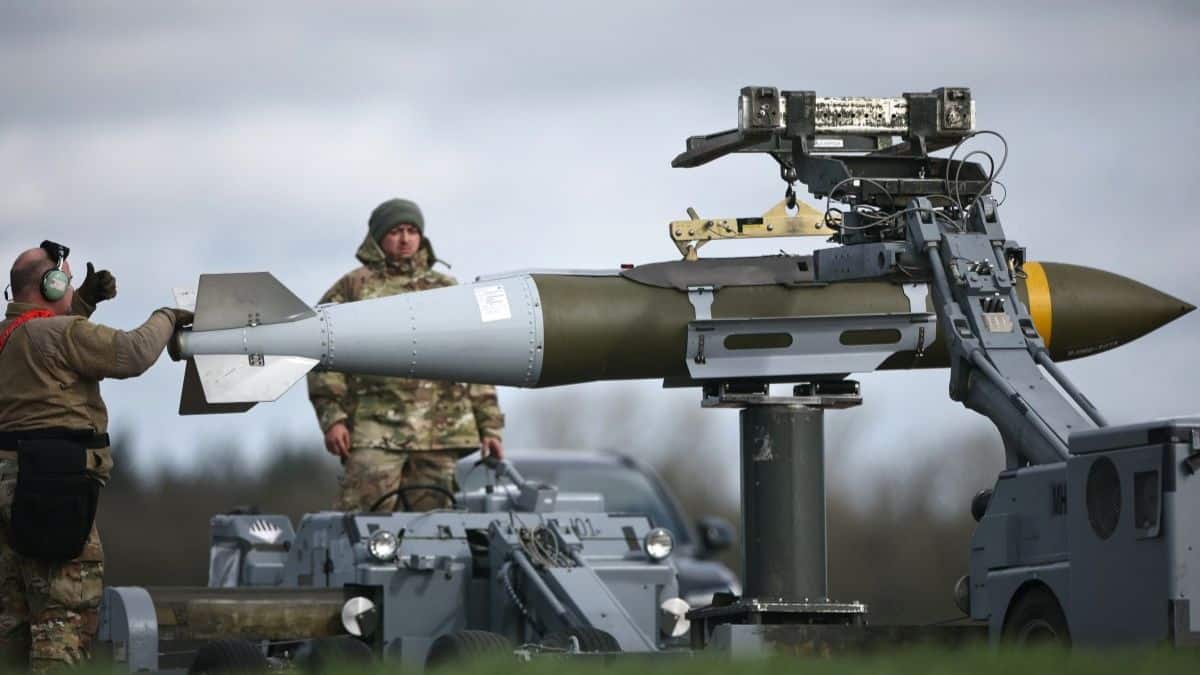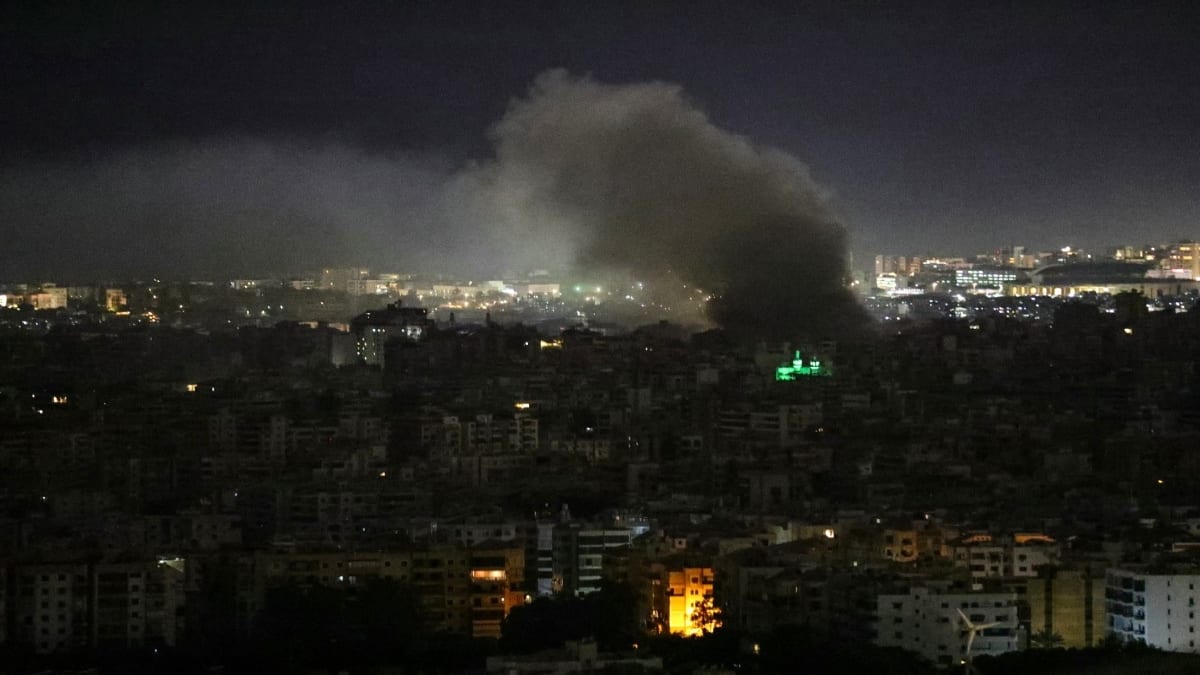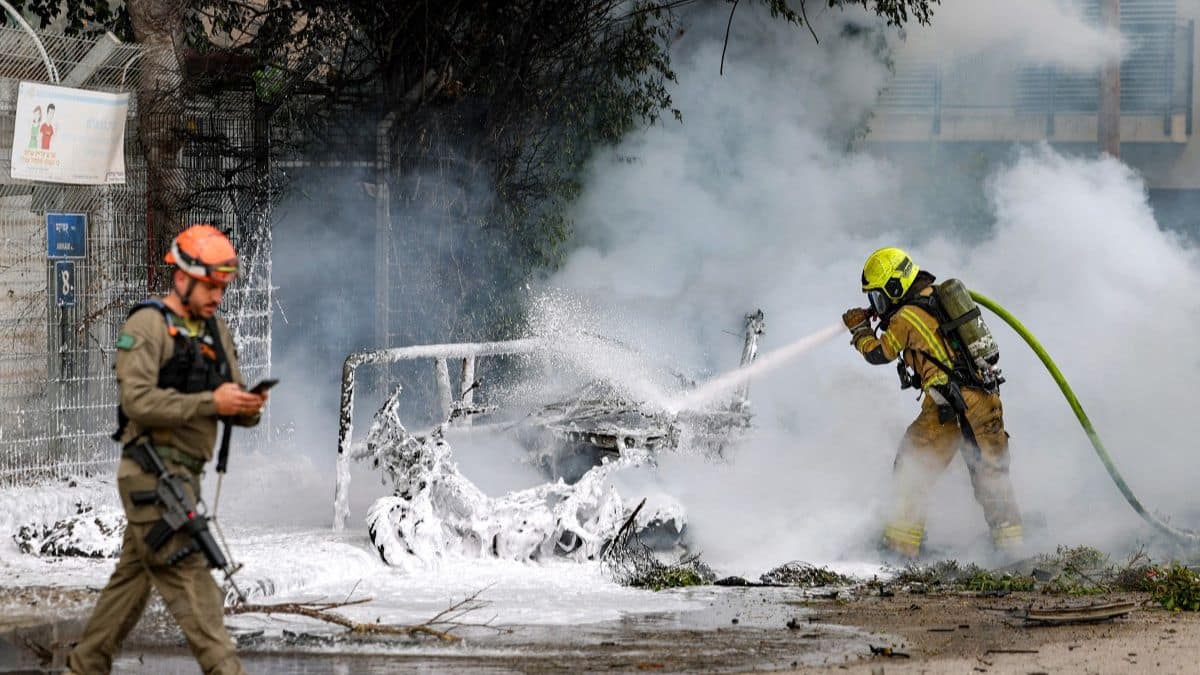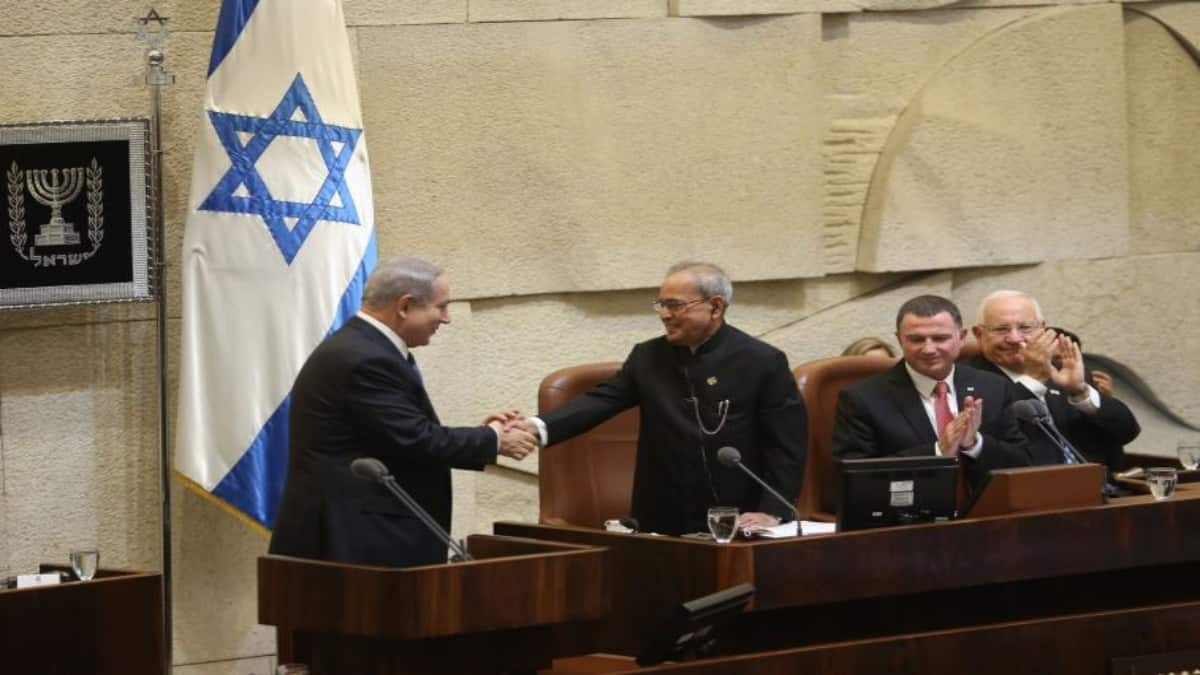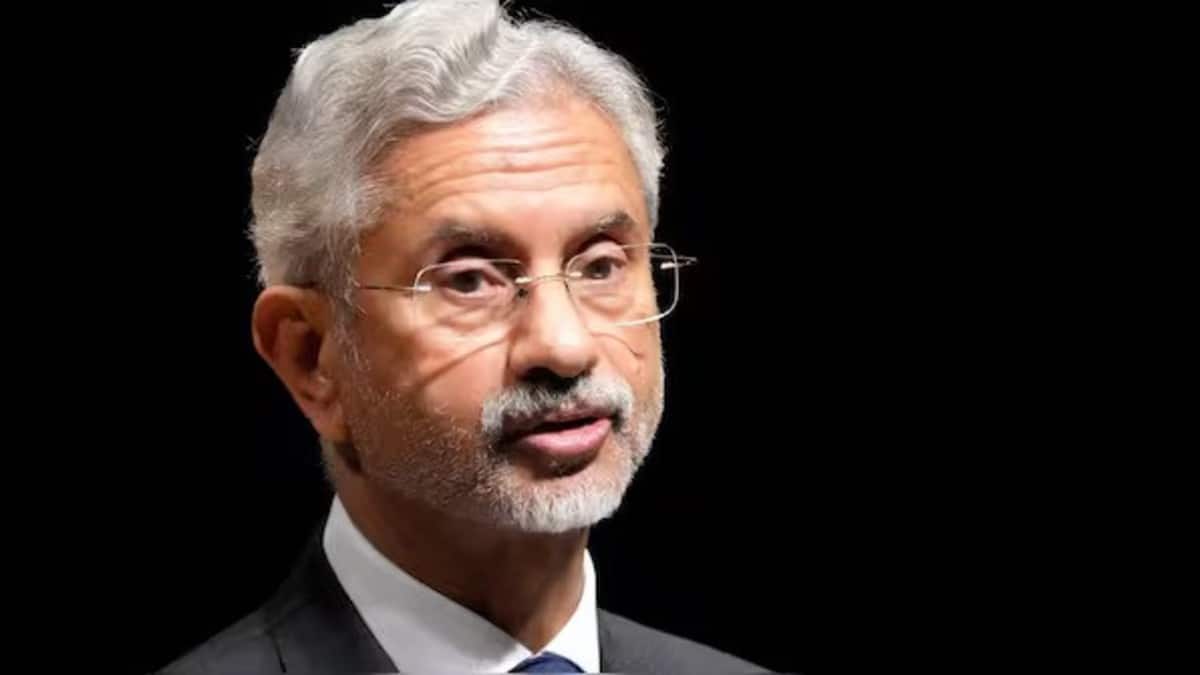
The Middle East isn't just "tense" anymore; it’s basically a powder keg that’s already started to pop. On Saturday night, India’s External Affairs Minister S. Jaishankar got on the phone with his counterparts from Saudi Arabia and the UAE. If you think this was just a routine diplomatic "how’s the weather" call, you’re missing the bigger picture. With the US and Iran trading blows and the Strait of Hormuz effectively turned into a parking lot, New Delhi is in full-blown crisis mode.
The conflict didn't just happen. It kicked off on February 28, 2026, when a joint US-Israeli strike reportedly took out top Iranian leadership, including Supreme Leader Ali Khamenei. Since then, the region has spiraled. Iran retaliated by targeting US assets, but the fallout has hit Saudi Arabia and the UAE too. When Jaishankar calls Prince Faisal bin Farhan and Sheikh Abdullah bin Zayed Al Nahyan, he isn't just talking about peace—he's talking about survival for India's economy and its people.
The One Crore Reason for India's Anxiety
We often hear big numbers in diplomacy, but here’s one that should make you pause: one crore. That’s roughly 10 million Indian citizens living and working in the Gulf. They aren't just statistics; they're the backbone of India's remittance economy. If the situation in Riyadh or Abu Dhabi goes south, India faces a humanitarian and economic nightmare that makes the 1990 Kuwait airlift look like a weekend trip.
During these calls, the message from New Delhi was clear. Jaishankar sought—and reportedly received—assurances that the safety of the Indian community remains a priority for the host governments. But let’s be real: assurances are great until the missiles start flying. The Ministry of External Affairs (MEA) has already set up a dedicated control room. They’ve helped around 67,000 people return home so far. But that’s just a drop in the bucket compared to the millions still there.
Energy Security and the Hormuz Chokepoint
If you’ve noticed your local petrol pump prices getting twitchy, this is why. Iran has effectively blocked the Strait of Hormuz. For an energy-hungry nation like India, this is the equivalent of someone stepping on the oxygen hose.
Around 20% of the world's oil and LNG goes through that narrow strip of water. India doesn't just want the conflict to end because it's the "right thing to do." We need it to end because our industrial machinery literally runs on the oil that’s currently stuck behind a naval blockade.
What happened to the ships?
- IRIS Dena: Sunk by the US near Sri Lanka.
- IRIS Lavan: Docked in Kochi under Indian protection.
- Merchant Shipping: Indian sailors make up a massive chunk of global crews. We’ve already lost two mariners in recent attacks.
By engaging with the UAE and Saudi Arabia, Jaishankar is trying to ensure that even if the US-Iran beef continues, the commercial lanes remain as stable as possible. It’s a delicate balancing act. India is trying to stay friends with everyone while the house is on fire.
The BRICS Headache
Here is the part most people are ignoring: India is the current Chair of BRICS. Usually, that’s a great photo op. Right now, it’s a diplomatic migraine.
The expanded BRICS now includes Iran, Saudi Arabia, and the UAE. Imagine trying to run a club meeting where three of your newest members are literally shooting at each other or at each other's allies. India is trying to use the "Sherpa" channels to find a common ground, but consensus is a tall order when the US and Israel are involved.
India occupies a weird, unique space. We’re strategic partners with the US and Israel, yet we’re the ones giving an Iranian naval vessel a place to dock in Kochi. It’s called "strategic autonomy," but in 2026, it looks a lot like walking a tightrope during an earthquake.
Why This Time is Different
This isn't the 2024 shadow war. This is direct, high-stakes conflict involving the death of heads of state and the total disruption of global trade. India's traditional "wait and watch" policy isn't going to cut it.
Honestly, the government is doing the only thing it can: aggressive outreach. Prime Minister Modi has already spoken to almost every major leader in the region, from the King of Jordan to the President of the UAE. Jaishankar’s calls this weekend were the follow-through. They're trying to build a "firewall" around Indian interests—energy, people, and trade—before the heat from the Iran-US fire melts everything down.
If you’re looking for the next move, keep an eye on the flight schedules. The MEA is approving non-scheduled commercial flights wherever airspace opens up even slightly. If you have family in the region, make sure they’re registered with the local embassy. The situation is moving fast, and in this conflict, "diplomacy and dialogue" aren't just buzzwords—they’re the only things keeping the global economy from a total heart attack.
If you're an Indian national in the region or have family there, your first step is to ensure registration with the e-Migrate portal or the local embassy's emergency database. Don't wait for a formal evacuation notice to have your papers in order.