Late-night television used to be the place where America went to decompress after a long day of partisan bickering. Now, it has become the front line of a scorched-earth cultural war where a single punchline can trigger a White House press briefing and a demand for a corporate execution. Jimmy Kimmel is currently standing in the center of that blast zone, defending a joke that the Trump family has characterized not as satire, but as a dog whistle for political violence.
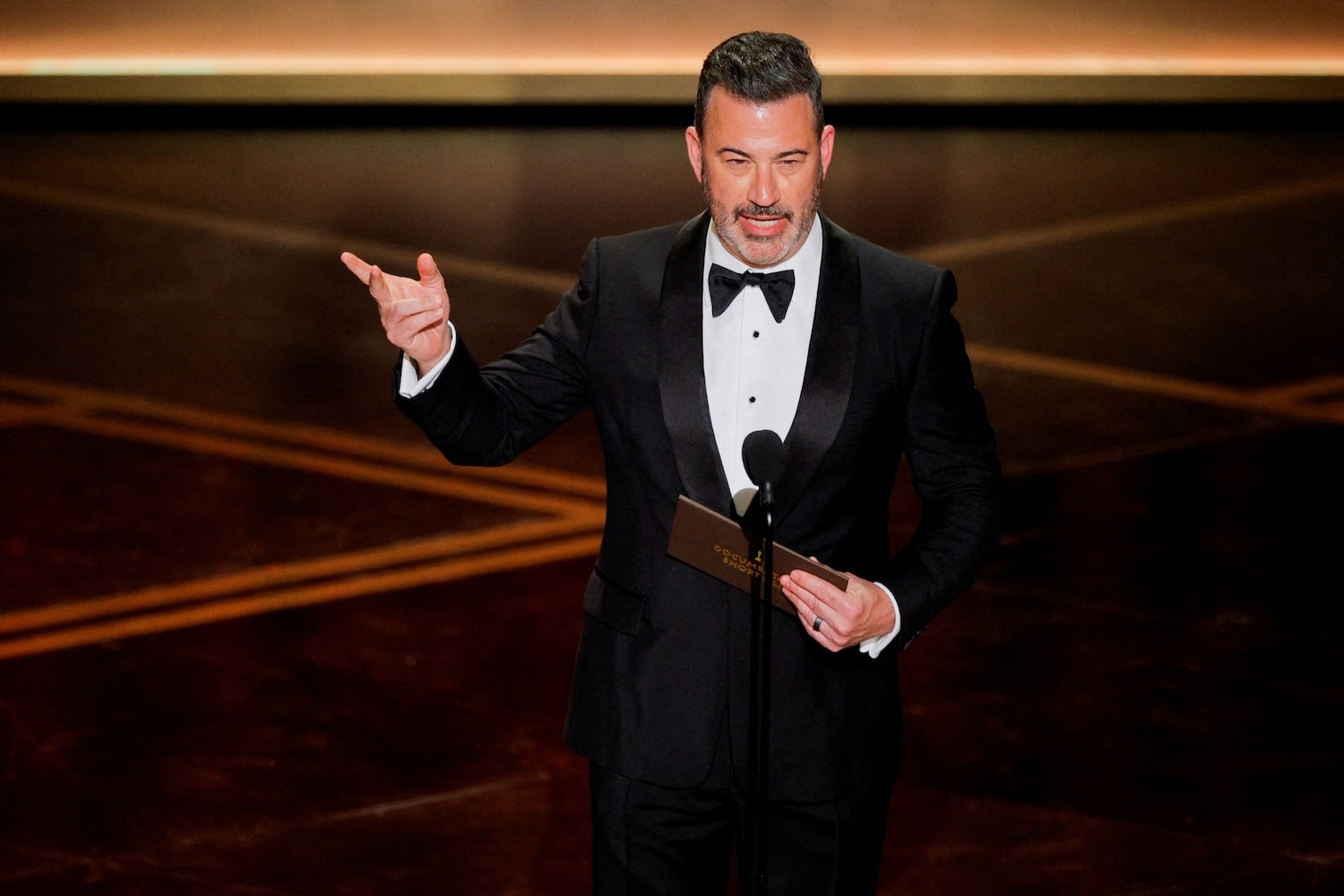
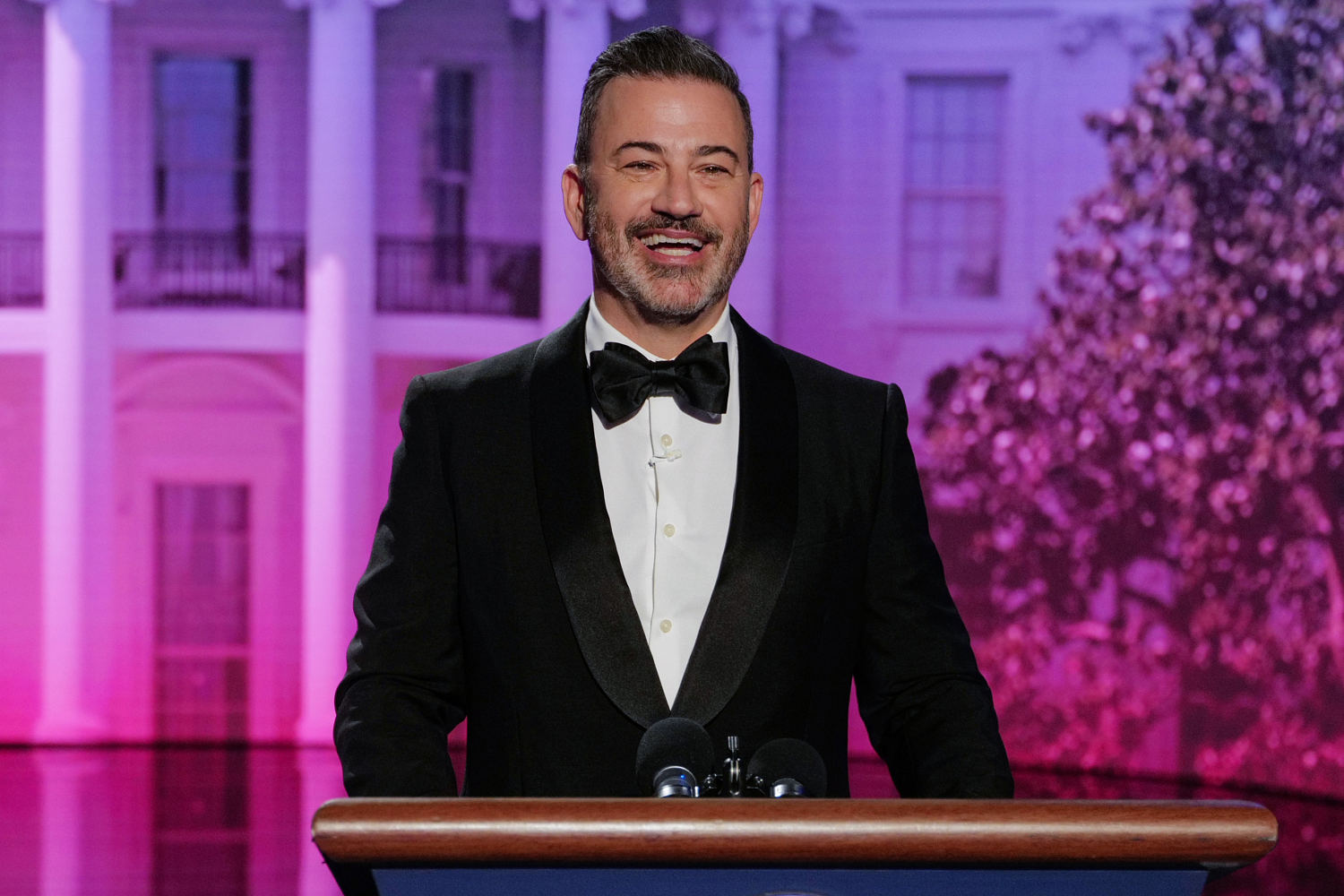
The friction point is a "mock" White House Correspondents’ Dinner routine aired last Thursday. Kimmel, donning a tuxedo and standing before a podium, delivered a monologue that included a pointed jab at First Lady Melania Trump. "Mrs. Trump, you have a glow like an expectant widow," Kimmel quipped. Within 48 hours, the joke transformed from a standard late-night needle into a national security flashpoint.
On Saturday, a 31-year-old gunman named Cole Tomas Allen was apprehended after attempting to breach security at the actual Washington Hilton—the venue for the real correspondents’ dinner. This narrow escape from a genuine assassination attempt has given the Trump administration the ammunition they needed to pivot from being the butt of the joke to the moral arbiters of the airwaves.
The Weaponization of the Punchline
The Trumps are not just asking for an apology; they are demanding Kimmel’s career. In a rare and sharply worded public statement, Melania Trump called the "expectant widow" remark "hateful and violent rhetoric" designed to divide the country. President Trump followed suit on Truth Social, explicitly calling for ABC and its parent company, Walt Disney Co., to fire Kimmel immediately.
This is more than a feud between a comedian and a politician. It is a calculated test of corporate resolve. By framing Kimmel’s joke as "incitement," the administration is shifting the goalposts of what constitutes protected speech. When a joke about a "widow" is followed by a real-world attempt to create one, the nuance of satire often dies in the court of public opinion.
White House Press Secretary Karoline Leavitt doubled down on this narrative, suggesting that the media's relentless mockery has helped "legitimize" violence. For an administration that has long viewed the late-night circuit as an arm of the opposition party, this incident provides the perfect pretext to squeeze network executives.
A History of Suspension and Survival
This isn't Kimmel’s first brush with the "firing" squad. Last September, ABC actually pulled the plug on his show for nearly a week following a series of comments regarding the death of conservative activist Charlie Kirk. During that hiatus, rumors swirled that Disney CEO Bob Iger was nearing a breaking point with the host’s polarizing brand of humor.
The network ultimately blinked, bringing Kimmel back and even signing him to a one-year extension that runs through May 2027. But the environment in 2026 is vastly more volatile. With Stephen Colbert’s CBS show set to end next month, Kimmel and Seth Meyers are the last remaining titans of the "resistance" era of late-night.
The Trump administration knows this. By targeting Kimmel, they are targeting the most visible remaining platform for nightly, high-reach criticism. The pressure isn't just coming from the White House; the National Religious Broadcasters association has already filed a complaint with the FEC, seeking to investigate ABC for what they describe as a "culture where violence feels thinkable."
The Hypocrisy Trap
The irony of the current outrage is not lost on those with a memory longer than a social media cycle. Just last month, the political world was reeling from President Trump’s own commentary following the death of former Special Counsel Robert Mueller. Upon news of Mueller’s passing after a battle with Parkinson’s, the President posted, "Good. I’m glad he’s dead."
The contrast is stark. The administration is now arguing that a comedian’s hypothetical joke about widowhood is an impermissible call to violence, while the Commander-in-Chief’s celebration of a veteran public servant's death was merely "telling it like it is."
This creates a impossible standard for broadcast networks. If Disney fires Kimmel, they signal that they are susceptible to executive branch pressure. If they keep him, they risk a protracted battle with the FCC and potential boycotts from a base that feels the network is subsidizing "assassination jokes."
The Death of the Middle Ground
Late-night hosts have always been partisan to some degree, but the 2026 landscape has stripped away the last vestiges of the "big tent" approach. Kimmel responded to the firing demands on Monday night with his typical defiance, calling the situation "déjà vu" and insisting the joke was a comment on the Trumps' well-documented age gap rather than a threat.
"They know that," Kimmel told his audience. But in the current political climate, knowing the intent of a joke doesn't matter. What matters is the utility of the outrage.
For ABC, the math is becoming increasingly complicated. Ratings for traditional late-night are in a steady decline, while the legal and political headaches associated with Kimmel are at an all-time high. The network is no longer just producing a comedy show; they are managing a diplomatic crisis five nights a week.
The tension between the First Amendment and the perceived responsibility of a "public" airwave has never been more strained. As the Trump administration ramps up its "Agenda 47" policies aimed at what they call "left-wing censorship," Kimmel represents the ultimate trophy.
The real question isn't whether Kimmel’s joke was in poor taste—it was. The question is whether the "expectant widow" line becomes the final excuse needed to dismantle the last platform of televised dissent before the 2027 contract expires. If the Trumps succeed in forcing Disney’s hand, the "glow" Kimmel joked about might just be the burning embers of late-night satire as we know it.
The pressure on Disney leadership is now internal as well as external. Shareholders are notoriously allergic to the kind of heat that results in federal investigations or presidential vendettas. Every monologue is now a liability. Every punchline is a potential deposition.
ABC has remained silent so far, but that silence is a clock. In the era of "enough is enough," the quietest room in Hollywood is the one where executives are deciding if a comedian is worth the weight of the White House. Regardless of the outcome, the boundary between a "bit" and a "threat" has been permanently blurred, and the cost of crossing it has never been higher.