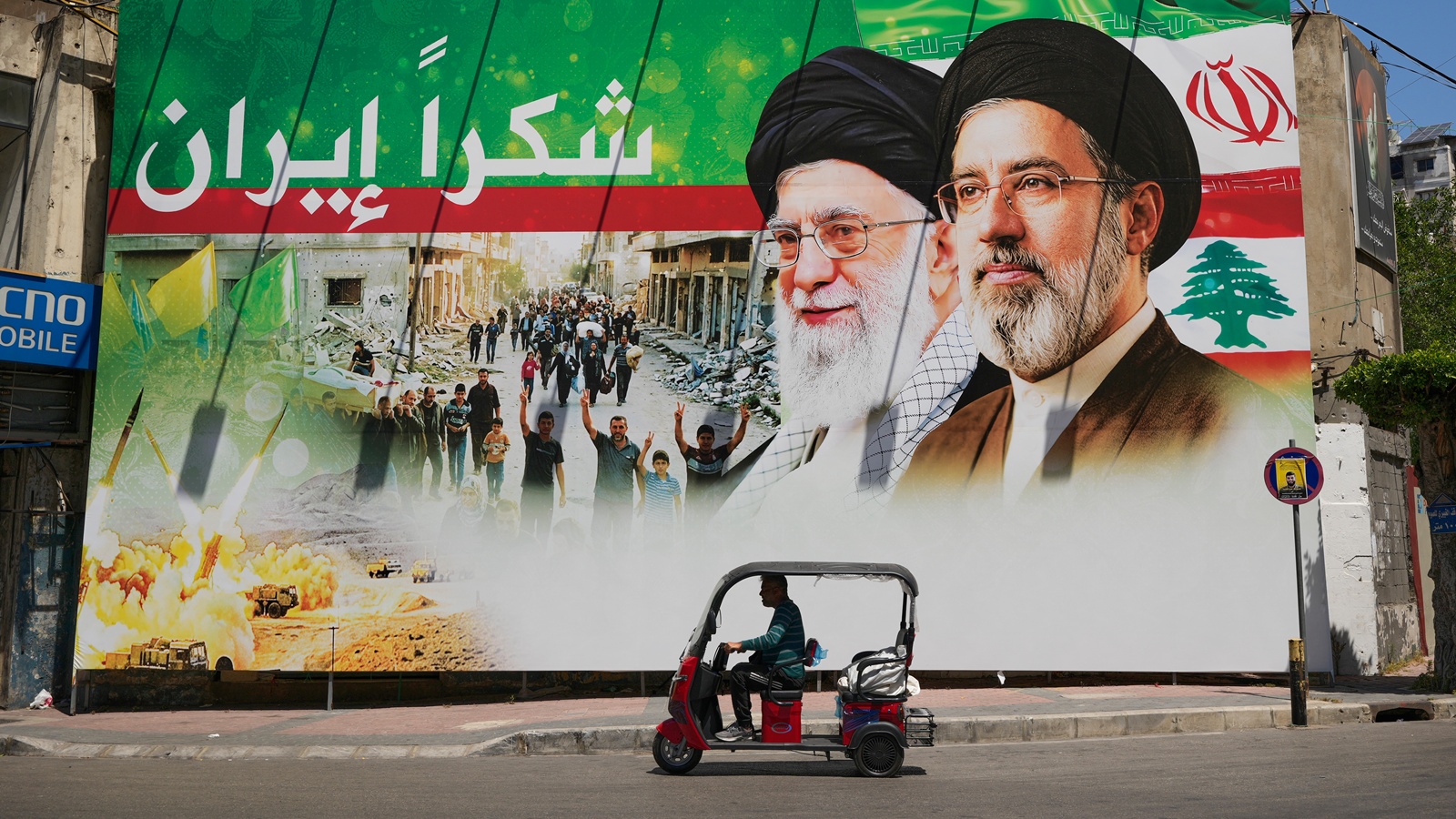
The ink is barely dry on the latest diplomatic breakthrough, and the foreign policy establishment is already patting itself on the back. Mainstream commentators are spinning a comforting narrative. They claim a formal agreement between Washington and Tehran will stabilize the Middle East, lower energy prices, and usher in an era of global integration.
They are completely wrong.
The assumption that formal peace treaties yield stability is a historical fallacy. In the real world, sudden diplomatic alignments do not erase decades of structural rivalry; they merely weaponize it under a different name. By treating this agreement as an end to the conflict rather than a shifting of the battlefield, western analysts are blind to the immediate economic and geopolitical shockwaves about to hit global markets.
The Myth of the Financial Peace Dividend
The consensus view suggests that lifting sanctions on Iran will flood the market with crude oil, drive down prices, and ease inflationary pressures across western economies. This logic relies on basic, textbook supply-and-demand mechanics while ignoring the structural realities of state-run energy sectors.
I spent years analyzing risk in sovereign energy markets, watching corporate boards pour billions into infrastructure projects based on the assumption that diplomatic stability equals operational safety. It never does.
When a heavily sanctioned state suddenly rejoins the global economy, it does not act as a stabilizing force. It acts as a disruptive competitor. Iran’s immediate priority will not be playing nice with global energy quotas; it will be maximizing short-term revenue to rebuild its domestic infrastructure and cash reserves.
Consider the mechanics of the oil market. An influx of Iranian crude will immediately threaten the market share of established producers within OPEC+, specifically Saudi Arabia and Russia. Instead of a harmonious market, expect a brutal price war as traditional heavyweights fight to maintain their dominance.
Furthermore, Western capital will not rush into Tehran overnight. Compliance departments at major international banks do not care about handshakes on a white house lawn. They care about long-term regulatory risk. The threat of "snapback" sanctions will keep conservative capital on the sidelines, leaving the door wide open for state-backed enterprises from Beijing and Moscow to secure exclusive, long-term resource contracts. The consensus promises open markets; the reality is a fragmented corporate scramble.
The Sanctions Illusion and the Rise of Shadow Networks
For years, the policy elite argued that sanctions were a tool to force behavioral change. Now, they argue that removing them will bring Iran into the light of transparent international finance. This completely misunderstands how illicit financial networks operate.
Decades of isolation did not freeze Iran's economy; it forced the creation of a highly sophisticated, parallel financial architecture. This shadow network relies on front companies, hawala banking systems, and digital assets to move billions of dollars outside the view of western regulators.
A peace treaty does not cause these networks to dissolve. Instead, it legitimizes them.
Imagine a scenario where a illicit logistics network, built over thirty years to smuggle dual-use technologies, suddenly gains access to the SWIFT banking network. They do not shut down operations. They expand. The infrastructure once used to evade sanctions becomes a highly efficient, legal pipeline for capital flight, corporate espionage, and state-backed investment in foreign markets.
By removing the legal barriers to entry without the capacity to audit these deeply entrenched shadow systems, the West is effectively integrating an unmonitored financial apparatus into the global banking system. The risk of money laundering and illicit financing will skyrocket, not diminish.
The Regional Power Vacuum
The most naive argument circulating right now is that a deal prevents war. In truth, it changes the incentives for every proxy actor in the region.
Geopolitical stability requires a balance of power. For decades, that balance was maintained by a clear, predictable friction between the US-led bloc and the Iranian axis. A sudden diplomatic pivot destroys that predictability.
Regional powers who previously relied on the US security umbrella—specifically Israel and the Gulf states—now face a reality where their primary security guarantor has negotiated with their main adversary. They will not sit back and watch.
When state actors feel abandoned by their superpower allies, they do not sue for peace. They take unilateral, preventative action to secure their borders. Expect a sharp increase in covert operations, cyber warfare, and targeted strikes as regional intelligence agencies attempt to establish new red lines before the ink on the treaty even dries. The conflict isn't over; it has simply been decentralized.
Dismantling the Consensus
The public is asking the wrong questions. The internet is flooded with queries focused on superficial outcomes:
Will gas prices drop immediately? No. Refining capacity bottlenecks and structural market manipulation by OPEC+ will offset any immediate production spikes.
Does this mean the Middle East is safe for tourism and investment? Absolutely not. The risk profile has merely shifted from overt state conflict to unpredictable asymmetric escalation.
Will this stop nuclear proliferation? A treaty is a piece of paper; the underlying physics, engineering knowledge, and industrial capacity developed over the last two decades cannot be unlearned.
The contrarian approach requires admitting a harsh truth: conflict is often a stabilizing force because it creates clear boundaries and predictable behaviors. Peace, when forced by political expediency rather than structural alignment, introduces chaos.
Stop looking at the diplomatic victory laps and start looking at the shifting capital flows. Corporate entities that re-enter these markets under the illusion of permanent peace will be the first ones caught in the crossfire when the fragile consensus inevitably breaks. Diversify supply chains away from the region, increase security budgets for digital infrastructure, and discount any corporate growth strategy that relies on the permanence of this deal.
The era of predictable friction is dead. Welcome to the chaos of a paper peace.