Health officials are currently scrambling to manage a high-stakes medical emergency as countries prepare to evacuate hantavirus ship passengers. This isn't just about a few sick people on a vessel. It's a logistical nightmare that highlights exactly how vulnerable our global travel infrastructure remains to "old world" pathogens. When you hear "outbreak on a ship," your mind probably jumps to Norovirus or the recent memories of COVID-19. But hantavirus is a different beast entirely. It’s rarer, deadlier, and carries a weight of panic that forces governments to act fast.
The current situation involves a coordinated effort across international borders to remove passengers from a confined environment before a localized cluster turns into a full-blown crisis. If you're wondering why the response seems so aggressive, it's because hantavirus isn't something you "wait and see" with. The mortality rates for certain strains are high enough to make any port authority break a sweat.
The Reality of Hantavirus on the High Seas
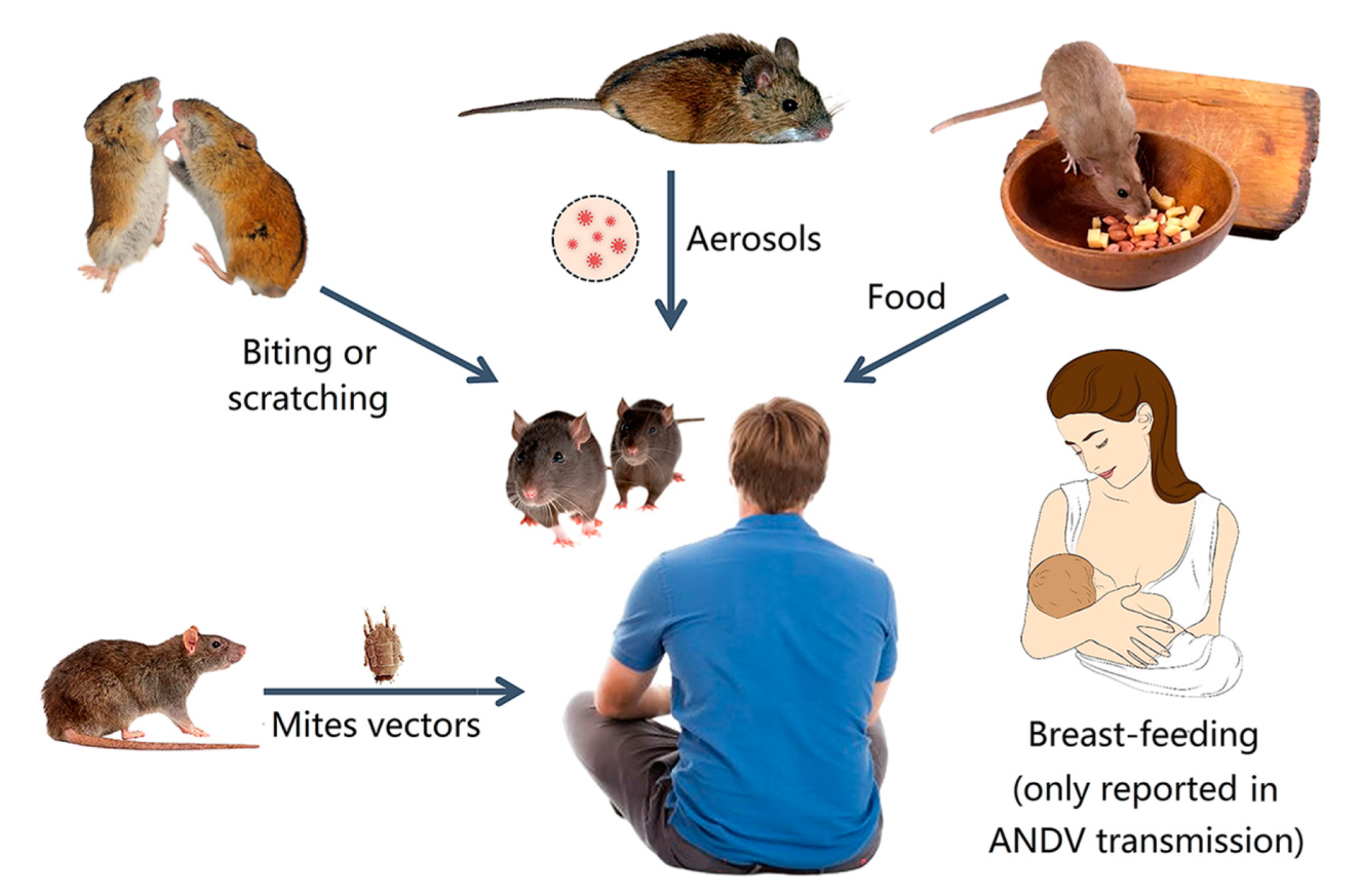
Hantavirus typically isn't a "human-to-human" virus. That's the good news. It usually spreads through contact with infected rodents—specifically their urine, droppings, or saliva. You breathe in the aerosolized virus, and suddenly your lungs are filling with fluid. So, why the mass evacuation? Ships are basically floating cities with complex ventilation and storage systems. If a rodent infestation on a vessel is carrying a hantavirus strain, every passenger is a potential target.
Health departments in several countries aren't taking chances. They're looking at the Hantavirus Pulmonary Syndrome (HPS) risks. HPS can have a case fatality rate of around 38%. When you're stuck in the middle of the ocean, those aren't odds any captain or government wants to gamble with. The evacuation is a preemptive strike to get people into high-level isolation wards where they can be monitored by specialists who actually have the equipment to handle respiratory failure.
Why This Evacuation is a Logistical Mess
Moving hundreds or thousands of people off a ship under quarantine is a massive headache. You can't just pull into a pier and let everyone walk off. Governments have to set up "sterile corridors." You're looking at chartered flights, specialized bus convoys, and a lot of people in Hazmat suits.
- Customs and Border Protection (CBP) Involvement: In the US and similar agencies abroad, the goal is to process passengers without them ever entering the general airport population.
- The Triage Process: Not everyone gets to go home. Passengers are split into groups based on their exposure level and current symptoms.
- Vessel Sanitization: The ship itself becomes a crime scene for biohazards. You have to find the source. If it's rodents, you're looking at a deep-clean that costs millions.
I've seen these protocols before. They're designed to be airtight, but humans are messy. People hide symptoms because they want to go home. Or they freak out and refuse to cooperate with medical staff. This is where the "human element" usually breaks the best-laid plans of the CDC or the World Health Organization.
What Most People Get Wrong About the Risk
There's a lot of misinformation floating around whenever a ship gets quarantined. First, you aren't going to catch hantavirus from someone sneezing on you in the buffet line—at least not with the strains we usually see in the Americas. The Andes virus in South America is the only one known to occasionally jump from person to person. But even then, it's rare.
The real danger is the environment. If a ship has a dry-storage area where mice have been nesting, the simple act of a crew member sweeping the floor can kick the virus into the air. Anyone walking through that hallway ten minutes later could inhale it. It’s invisible, it’s odorless, and it’s incredibly hardy.
The Symptoms You Can't Ignore
Early hantavirus looks like a dozen other things. It’s tricky. You get the standard flu-like symptoms: fever, sore muscles, headaches. But with hantavirus, the "great mimic" phase ends abruptly.
- The Fatigue Factor: It’s not just being tired. It’s a bone-deep exhaustion that hits before the respiratory distress.
- The Sudden Shift: About four to ten days after the first symptoms, the "late stage" kicks in. You start coughing and feeling short of breath.
- The Fluid Build-up: Your lungs start filling with fluid. This is the HPS phase. At this point, you need a ventilator. Fast.
If you’ve been on a ship or in a rural area and start feeling these "flu" symptoms, tell your doctor about your travel history. Don't wait. By the time you're gasping for air, the window for effective intervention is closing.
Global Response and Port Politics
The decision of which country "takes" the ship is always a political knife fight. No port wants to be the one that imported a viral cluster. We saw this in 2020, and we're seeing it again now. Countries prepare to evacuate hantavirus ship passengers only after intense negotiations behind closed doors. Usually, the country where the ship is flagged or the country of origin for the majority of the passengers has to step up.
Public health law is pretty clear, but it's often ignored when panic sets in. The International Health Regulations (IHR) mandate that ships in distress be given "free pratique" (permission to enter a port) under certain conditions, but countries often cite national security to keep them at bay. It's a standoff that puts lives at risk.
How Ships Are Changing Their Hygiene Game
This incident is going to force a massive shift in how cruise lines and cargo vessels handle pest control. Traditionally, it’s been about keeping bugs out of the food. Now, it’s a high-level biosafety issue.
Expect to see more "smart" pest monitoring systems. We're talking sensors that can detect rodent activity in real-time within the bowels of the ship. Also, ventilation systems are getting an overhaul. HEPA filtration isn't just for airplanes anymore. If you can’t stop the dust from being kicked up, you have to catch it before it reaches the cabins.
What You Should Do If You're Traveling Soon
Don't cancel your vacation just yet. But do be smart. Most modern cruise ships are cleaner than your local grocery store. The risk is statistically tiny. However, if you're on a smaller vessel or traveling in regions known for hantavirus (like parts of South America or the American Southwest), take basic precautions.
Keep your cabin tidy. Don't leave food out that might attract uninvited guests. If you see signs of rodents—droppings or chewed packaging—report it immediately. Don't try to clean it up yourself. You aren't being a "Karen"; you're preventing a potential medical evacuation.
The current evacuation efforts are a massive undertaking by international health bodies. They're doing the heavy lifting so the virus stays contained to that one vessel. It’s a localized mess, but it’s a controlled one. Watch the news for updates on the passenger manifests and the specific strain identified. If it’s the Andes strain, expect the quarantine periods to be extended significantly.
Stay informed by checking the CDC Hantavirus page or the World Health Organization's fact sheets. These are the only places getting the raw data before it gets filtered through the media. If you're scheduled to board a ship in the next month, check your travel insurance. Make sure it covers "quarantine-related delays." Most don't, unless you have a specific rider. You don't want to be stuck in a hotel room in a foreign port on your own dime because of a mouse.