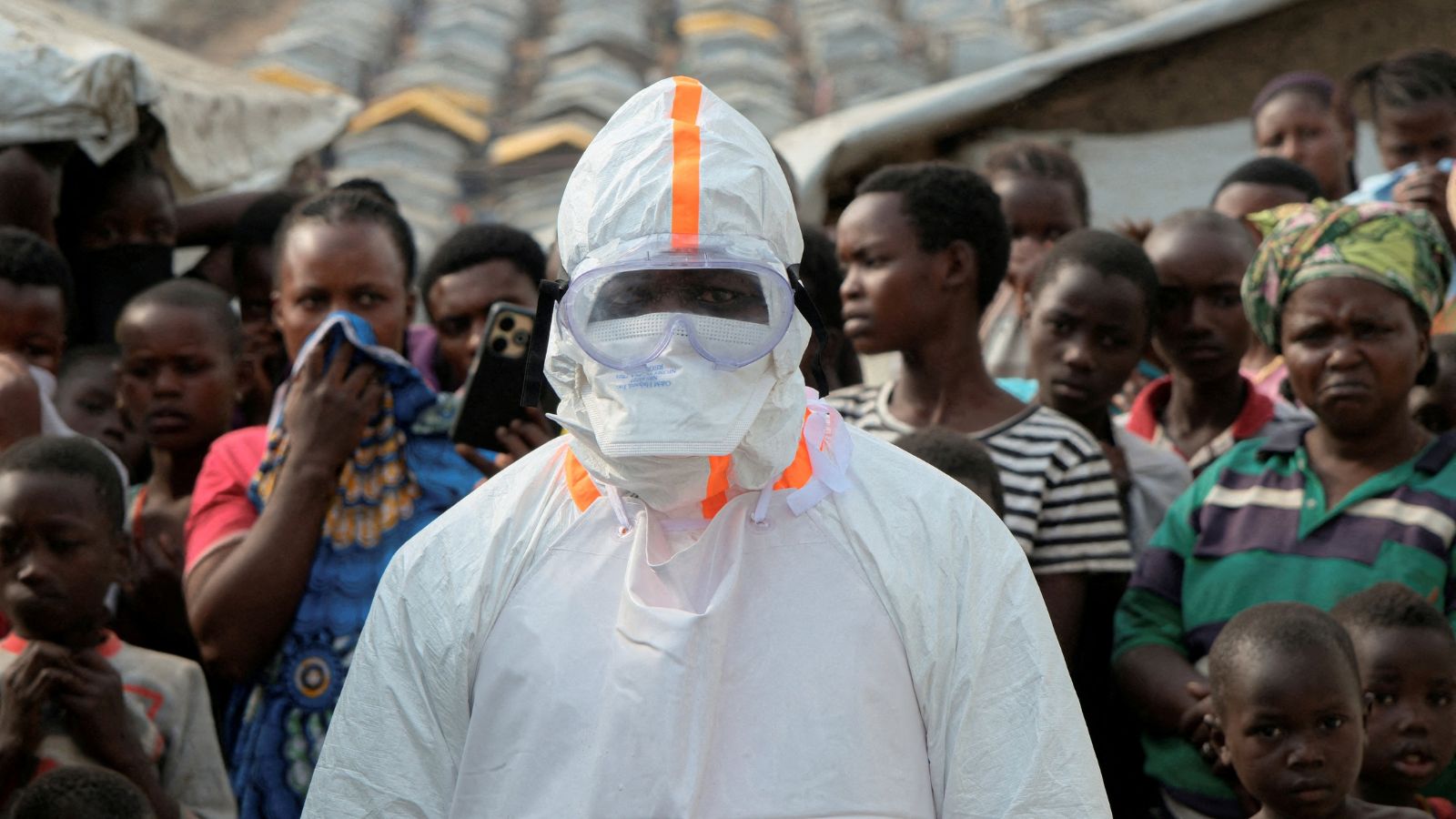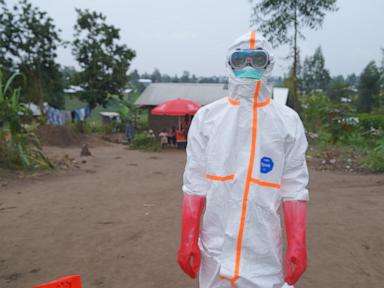
An escalating public health emergency rarely arrives with an orderly blueprint. When an Ebola outbreak takes root in an under-resourced region, the first line of defense is not a sprawling international bureaucracy or a fully funded governmental task force. It is often a solitary individual working entirely without compensation, absorbing the terrifying administrative and logistical burden of containment while the institutional machinery stumbles behind.
Public health systems during an epidemic frequently collapse under the sheer weight of infection tracking, contact tracing, and community education. In many affected sectors, epidemiologists and frontline responders find themselves operating in a financial vacuum. Salaries dry up, budgets get frozen in bureaucratic gridlock, and the administrative machinery simply stalls. Yet the virus refuses to wait for payroll to clear.
The Anatomy of Institutional Failure
Bureaucratic inertia during a crisis kills people. When an outbreak hits a vulnerable population, the global response mechanism relies heavily on multilateral pledges, emergency funding approvals, and multi-layered sign-offs. This paperwork trail moves at a glacial pace. Meanwhile, a single carrier can infect dozens in a matter of days through traditional burial practices, overcrowded local markets, or under-equipped healthcare facilities.
Money does not magically translate to boots on the ground. Even when global organizations mobilize millions of dollars in aid, the distribution bottlenecks are legendary. Local health bureaus run out of fuel for motorcycles used in contact tracing. Personal protective equipment sits in regional warehouses because transport allowances were omitted from the latest budget allocation.
Into this operational void steps the unpaid specialist. Operating on sheer professional ethics and grim necessity, these individuals track transmission chains out of their own pockets. They pay for mobile phone credits to coordinate with local clinics. They buy fuel for their own vehicles to reach isolated villages where rumors about the virus are spreading faster than the pathogen itself.
[Traditional Aid Pipeline] -> (Months of Bureaucracy) -> Delayed Local Action
[The Unpaid Responder]    -> (Immediate Action)       -> Real-Time Containment
The systemic reliance on unpaid labor in global health emergencies is an open secret. Donors love to publicize massive financial commitments, but those funds rarely trickle down to cover the daily operational expenses of the person walking from door to door in a hot zone.
Why Contact Tracing Fails Without Local Trust
You cannot fight a hemorrhagic fever with brute force. Effective containment requires absolute community compliance, and compliance is built entirely on trust. International workers arriving in hazmat suits often provoke terror rather than cooperation. They look like harbingers of doom, driving panic-fueled flights into the bush where infected individuals hide from authorities.
An indigenous professional who speaks the local dialects, understands regional kinship structures, and knows every elder by name achieves what a dozen well-funded foreign consultants never can. When this person tells a community that a loved one must be isolated safely, people listen. They trust the messenger because the messenger has lived among them, sharing their struggles long before the outbreak made international headlines.
Yet this profound advantage is routinely exploited by the systems meant to support it. Governments and international bodies take local commitment for granted. They assume that dedication to public health will somehow pay the rent, feed a family, and buy vehicle spare parts. It does not.
The Cost of Exhaustion
Burnout is an understatement. When someone works eighteen-hour days tracking hundreds of secondary contacts without receiving a paycheck, the physical and psychological toll reaches catastrophic levels.
- Sleep Deprivation: Adrenaline keeps the engine running, but chronic exhaustion degrades decision-making accuracy.
- Financial Ruin: Personal savings are liquidated within weeks to cover operational costs that should belong to the state.
- Social Isolation: Fear of the virus often causes communities to shun even the healthcare workers trying to save them.
The math of an epidemic is unforgiving. If a single contact tracer collapses from exhaustion or is forced to abandon the work to find food for their children, an entire sector of surveillance goes dark. In that darkness, the virus multiplies undetected.
Rebuilding the Architecture of Response
Fixing this broken model requires a brutal reassessment of how emergency funds are deployed. Direct-to-worker digital payment platforms now exist, making it entirely inexcusable for frontline personnel to wait months for administrative approvals. Money needs to move at the speed of the pathogen.
Furthermore, accountability must shift. International oversight committees need to audit not just the total sum spent on an outbreak, but the velocity of distribution to the individuals actually holding the line. If a specialist is working unpaid while millions sit in escrow accounts awaiting disbursement, the system is failing its primary objective.
The next time an outbreak makes global headlines, remember the person working quietly in the background without a salary, keeping a lethal contagion from crossing international borders. They are not heroes by choice. They are the last functional gear in a machine that refuses to oil itself.
The outbreak continues because the architecture of response remains fundamentally parasitic, feeding on the uncompensated dedication of those who care too much to walk away.