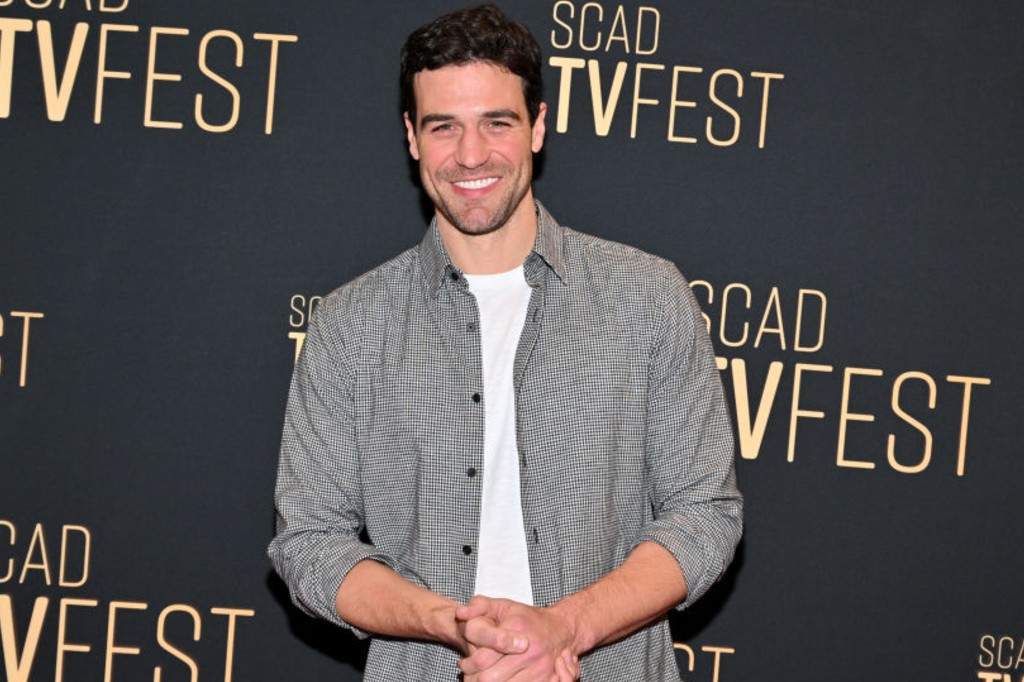
Former reality television fixture Joe Amabile, widely recognized from his prolonged tenure across the Bachelor franchise, recently underwent a successful craniotomy to excise a blueberry-sized glioma discovered entirely by accident. The anomaly was flagged not during a targeted diagnostic workup for neurological symptoms, but rather through a proactive, elective full-body MRI scan administered by Prenuvo. Amabile’s public disclosure highlights a broader, fast-growing shift in modern preventative medicine: the rise of consumer-purchased elective imaging and the complex psychological fallout that occurs when asymptomatic individuals stumble upon incidental findings.
For years, standard medical protocol relied on symptomatic presentation. If a patient exhibited no persistent headaches, motor deficits, or cognitive shifts, neuroimaging was rarely indicated. The economic and logistical reality of modern healthcare systems meant that high-end diagnostic hardware was reserved for troubleshooting existing pathologies. Amabile’s case short-circuits that traditional pipeline. By paying out-of-pocket for an elective whole-body scan completely devoid of acute medical necessity, he entered a statistical tier of individuals who receive unexpected, high-stakes medical news on an ordinary Tuesday.
The Anatomy of an Incidentaloma
In medical terminology, finding an unexpected mass during a diagnostic procedure performed for an unrelated reason is known as discovering an incidentaloma. When those incidentalomas appear within the central nervous system, the stakes scale exponentially. A blueberry-sized lesion, identified as a presumed early-stage glioma, sounds terrifying to the layperson, yet it represents a clinical grey area that neurosurgeons navigate with immense caution.
A glioma originates in the glial cells that surround and support neurons. These growths do not always present as neat, encapsulated spheres. Instead, they can interweave with healthy brain tissue, making the boundary between pathology and vital functional architecture frustratingly indistinct. When Amabile shared his diagnosis with his audience, he noted the surreal nature of the discovery: the stark dissonance between feeling entirely healthy and being told a neurosurgical intervention is mandatory.
This is the psychological tax of elective preventive screening. The commercialization of advanced imaging technology offers consumers unprecedented agency over their bodies, yet it routinely uncovers benign or slow-growing anomalies that might never have shortened a person’s natural lifespan had they remained undiscovered. Conversely, catching an early-stage lesion before cellular mutation accelerates can alter a prognosis entirely.
The Commercial Diagnostics Marketplace
The company behind Amabile's scan, along with a rising class of private-pay radiology startups, promises peace of mind through comprehensive internal mapping. For a significant financial investment, clients lie inside an MRI bore for an hour while magnetic fields map their organs from head to pelvis. Proponents argue that early detection is the ultimate equalizer against silent killers like aggressive malignancies or vascular malformations.
Critics within the medical establishment, however, point to the cascade of downstream effects. An incidental finding triggers a chain reaction: specialized follow-up MRIs, specialist consultations, anxiety-ridden waiting periods, and invasive procedures such as a craniotomy. In Amabile's situation, the gamble paid off favorably; his recent postoperative updates confirmed that his surgical team successfully removed the entire mass. Yet, every clean excision comes against a backdrop of clinical risk. Brain surgery, regardless of technological micro-guidance, carries baseline threats to neurological function, linguistic capability, and emotional regulation.
The public reaction to Amabile’s journey exposes a collective fascination with the fragility of high-profile lives. Fans accustomed to tracking vacation photos and podcast banter suddenly found themselves confronting the stark reality of microscopic cellular aberrations. The digital ecosystem rallied around him, transforming a personal medical crisis into a shared public narrative about resilience.
Beyond the Celebrity Headline
Strip away the reality television branding, and Amabile's case study forces a wider societal reckoning with how we monitor human health. Medicine is shifting slowly from reactive treatment toward predictive surveillance. Yet our cultural vocabulary for handling these discoveries remains underdeveloped. We praise early detection as an unmitigated triumph while frequently minimizing the psychological burden placed on patients who must suddenly reconcile with the vulnerability of their own cranial architecture.
As private diagnostic scanning becomes more accessible to those who can afford out-of-pocket fees, medical professionals will encounter an increasing volume of asymptomatic anomalies. The challenge for the healthcare industry will not merely be developing better surgical instruments to extract small lesions, but refining the diagnostic triage that determines which microscopic findings require immediate intervention and which demand careful, anxiety-managed observation.
For now, the immediate chapter of this narrative concludes with an empty hospital bed and a clean surgical report. The wider implications of elective screening, however, continue to expand into uncharted territory.
Bachelor in Paradise star Joe Amabile says tumor was discovered in his brain
This video provides additional context regarding Joe Amabile's initial public announcement and his personal breakdown of discovering the unexpected brain lesion.
http://googleusercontent.com/youtube_content/1