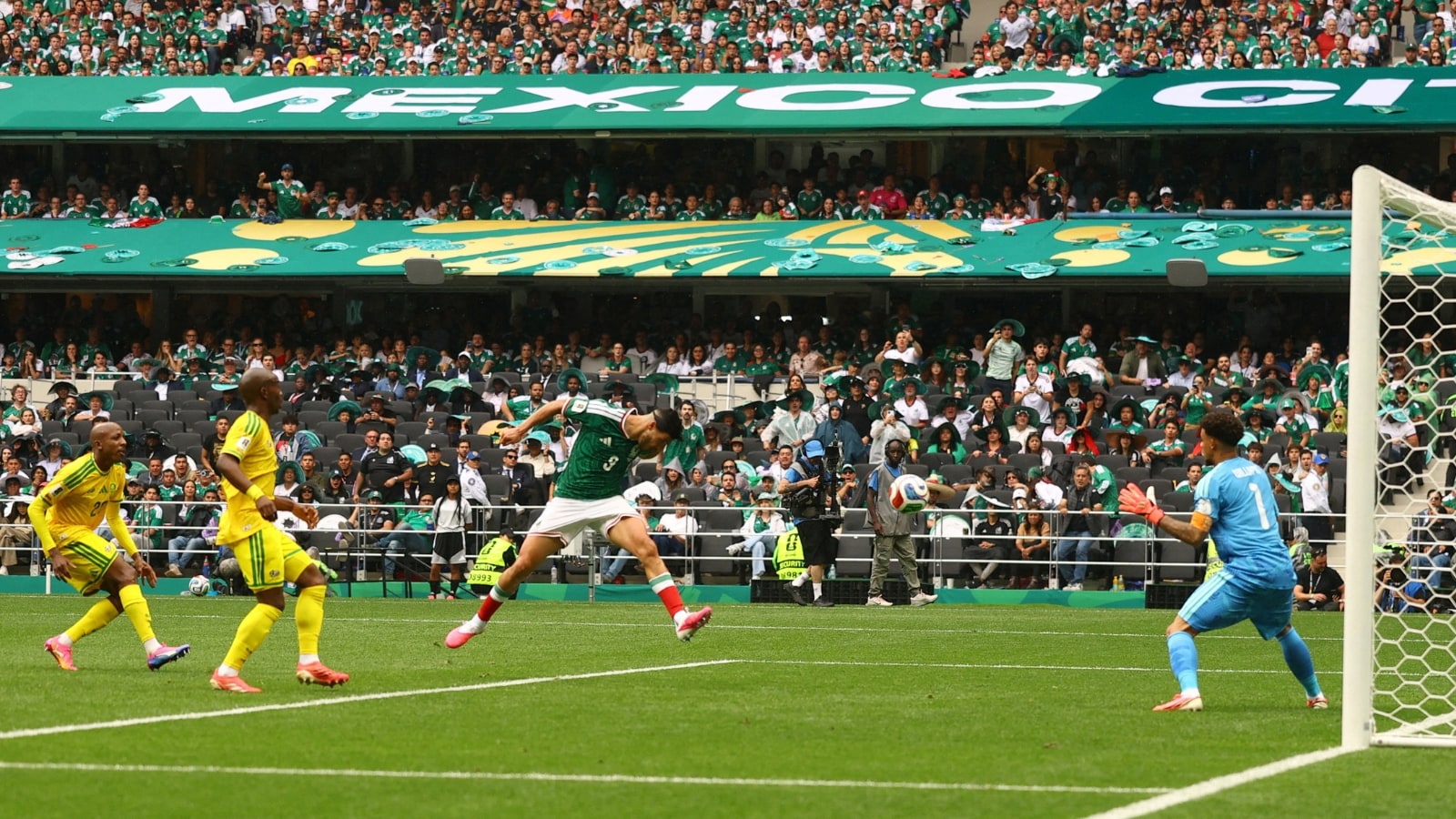
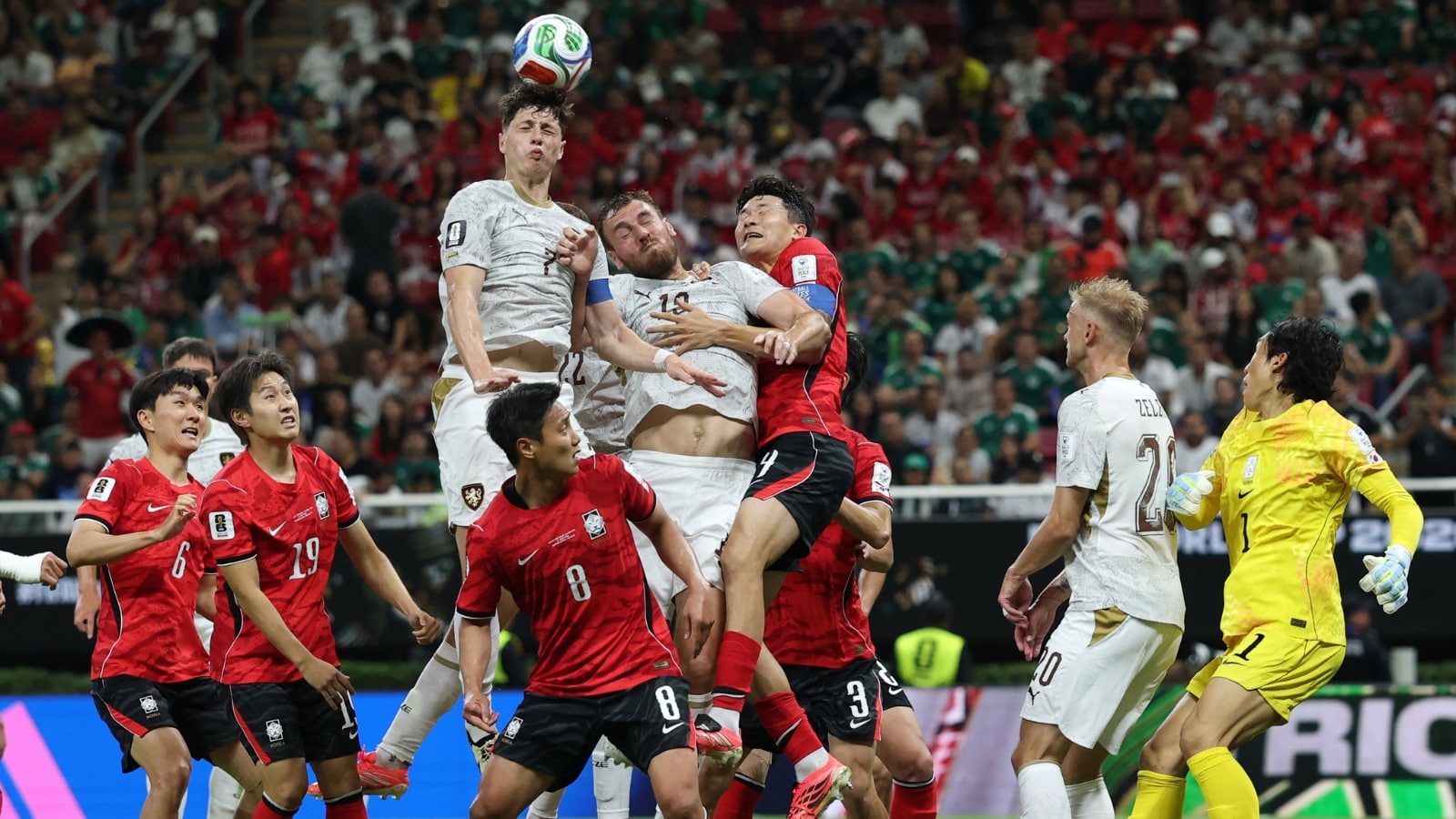
The grass at the training camp in New Jersey smelled like cut clover and morning dew, a scent entirely alien to the sensory memory of the men stepping onto it. For three weeks, their world had smelled exclusively of bleach, heavy-duty detergents, and the stale, air-conditioned oxygen of an isolation facility.
When the chartered flight carrying the Democratic Republic of Congo’s national football team touched down on American soil, there were no roaring crowds. No steel barricades holding back frantic fans. There was only a quiet tarmac, a fleet of sterilized buses, and a team of medical officials checking paperwork with gloved hands.
The Leopards had finally arrived at the World Cup. But their tournament had begun long before they reached the United States. It began in the sweat-soaked isolation of a quarantine zone, where the opponent wasn't a tactical formation or a world-class striker. It was a virus.
To understand what it means for this squad to stand on a pitch in America, you have to look past the standard sports commentary. You have to look at the invisible weight carried by a group of young men who became the symbols of a nation’s grief, resilience, and ultimate survival.
The Clock in the Isolation Room
Football is a game dictated by time. Ninety minutes. Two halves of forty-five. Extra time. Injury time. A player’s entire life is calibrated to the ticking of a stadium scoreboard.
But inside the quarantine facility on the outskirts of Kinshasa, time stretched into something agonizingly shapeless. The number that mattered wasn’t ninety. It was twenty-one.
Twenty-one days is the maximum incubation period for the Ebola virus. It is the window of terror. If a fever spikes on day twenty, the clock resets to zero, and the world collapses all over again.
Consider the psychological torture of that countdown for an elite athlete. These are men whose bodies are finely tuned machines, hypersensitive to the slightest change in temperature or muscle fatigue. During those three weeks, a normal post-training headache wasn't just dehydration. A sudden bout of fatigue wasn't just a tough workout. Every minor symptom carried the terrifying subtext of a lethal diagnosis.
The players lived in a state of hyper-vigilance. They ate meals from plastic trays dropped at their doors. They tracked their temperatures with the intensity of scouts analyzing match data. They watched the news from home, where headlines chronicled the outbreak’s toll on their families, their neighbors, and the communities that had cheered them through the qualifiers.
The pitch they were supposed to be preparing for was thousands of miles away, completely abstract. The only reality was the white walls of their rooms and the terrifying silence of the waiting game.
The Weight of the Jersey
There is a unique burden to representing a country undergoing a humanitarian crisis. When the Leopards secured their World Cup berth, the streets of Kinshasa erupted in a collective euphoria that the city hadn't felt in decades. For a brief moment, the grinding anxieties of economic hardship and conflict were eclipsed by the shared anticipation of football's greatest stage.
Then came the outbreak.
Suddenly, the narrative shifted. International sports federations debated whether the team should even be allowed to travel. Rumors swirled of forced forfeits. The team was no longer just a collection of talented athletes; they were viewed as potential vectors of disease. The stigma was immediate, cold, and bureaucratic.
Imagine traveling to the pinnacle of your career knowing that your presence makes people uncomfortable. Imagine shaking hands with an opponent who is secretly wondering if your sweat carries a death sentence.
This is the hidden tax of the global south athlete. They do not just carry the tactical instructions of their manager; they carry the geopolitical baggage of their passport. Every press conference becomes an interrogation about public health infrastructure rather than midfield transitions. Every triumph is viewed through the lens of pity rather than pure athletic excellence.
The coaching staff understood that the biggest challenge wasn't keeping the players physically fit—though maintaining match fitness in a restricted environment is a logistical nightmare—it was keeping their spirits from breaking under the pressure of global scrutiny. They ran drills on confined patches of grass, their shouts echoing off the walls of the quarantine compound, a stubborn defiance against the quiet that threatened to consume them.
The First Touch
When the team finally took the field for their first closed-door training session in the United States, the atmosphere was thick with a strange, solemn intensity.
There is a specific sound when a leather football meets a boot in an empty stadium. A sharp, echoing crack. That sound, more than any medical clearance or official statement, signaled the end of the exile.
Watching them move through passing lines, you could see the physical release of three weeks of trapped adrenaline. The movements were sharp, almost violent in their urgency. They weren't just warming up their muscles; they were exorcising the ghosts of the isolation ward.
The tactical challenges ahead of them are monumental. They have missed crucial weeks of high-intensity friendlies. Their opponents have been analyzing film in luxury resorts while the Leopards were breathing filtered air and wondering if they would even be allowed on a plane. By all conventional sporting logic, the DR Congo squad should be completely outmatched.
But football has a habit of defying conventional logic, precisely because it is played by humans, not algorithms.
The emotional reserve this team has developed over the past month is a variable that cannot be scouted. How do you intimidate a defender who has spent the last three weeks looking at a thermometer, knowing his life depended on the reading? How do you break the resolve of a midfield unit that has looked into the abyss of a national crisis and chosen to keep running?
The Invisible Spectators
When the anthems play and the cameras pan across the faces of the Congolese players, the world will see a team that made it against the odds. They will see the bright colors of the flag and the athletic prowess of a continent's representatives.
But if you look closely, you will see the invisible crowd standing behind them.
They play for the doctors and nurses who remained in the red zones, working under the suffocating heat of protective gear to contain the virus. They play for the families who watched them leave for the airport through glass windows, unable to offer a departing hug. They play for a nation that used their qualification as a reason to hope when hoping felt foolish.
The World Cup is often commercialized as a spectacle of brand partnerships and pristine narratives. It is easy to forget that beneath the corporate veneer, it remains an arena of profound human drama. The DR Congo squad is a reminder of that raw, unpolished truth.
Their presence in the tournament is already a victory, though you will never hear a competitive athlete admit to being satisfied with just showing up. They are here to win. Not just for the points on the board, but to rewrite the headline that has dictated their lives for the past month.
They want the world to talk about their football, not their quarantine.
The whistle will blow. The ball will roll. The twenty-one days of silence will be drowned out by the roar of tens of thousands of voices, and for ninety minutes, the only thing that will matter is the beautiful, unpredictable game.