If you expected a routine, polite curtain-raiser to kick off the 2026 World Cup, you clearly don't know the Estadio Azteca.
The tournament opened with an absolute fever dream of a football match. Mexico took home a 2-0 victory over South Africa, but the scoreline tells maybe ten percent of the actual story. What we witnessed wasn't a tactical masterclass. It was a chaotic, high-tempered brawl disguised as a football match that rewrote the history books for all the wrong reasons. If you enjoyed this post, you might want to look at: this related article.
Three straight red cards in a World Cup opening game. It's never happened before in the 96-year history of this tournament.
While the headline says Mexico got their fiesta started, the reality under the cloudy Mexico City sky was far more complicated. Javier Aguirre’s men walked away with three points, but they also walked away with a massive disciplinary headache and plenty of unanswered questions about their ability to keep their cool under pressure. For another look on this story, refer to the recent update from Bleacher Report.
The Perfect Start And The Structural Collapse
Let's look at how this insanity built up. The atmosphere inside the stadium was deafening. Over 80,000 fans generated the exact kind of suffocating pressure South Africa manager Hugo Broos had warned his team about.
It took exactly eight minutes for Bafana Bafana to crack.
Sphephelo Sithole tried to casually play out of the back. It was a massive mistake. Mexico’s Erik Lira hunted him down, stripped the ball, and fed Julián Quiñones. The Colombian-born striker didn't hesitate, drilling a low shot straight through the legs of Ronwen Williams. The stadium practically shook. Quiñones was everywhere in that first half, even rattling the post just before the whistle. If you watched his performance last season in the Saudi Pro League, you know this is exactly what he does. He creates mayhem.
But the real drama began four minutes into the second half.
Sithole’s terrible day came to a miserable end when he lunged in and brought down Brian Gutiérrez, who was clean through on goal. Referee Wilton Sampaio didn't hesitate. Red card.
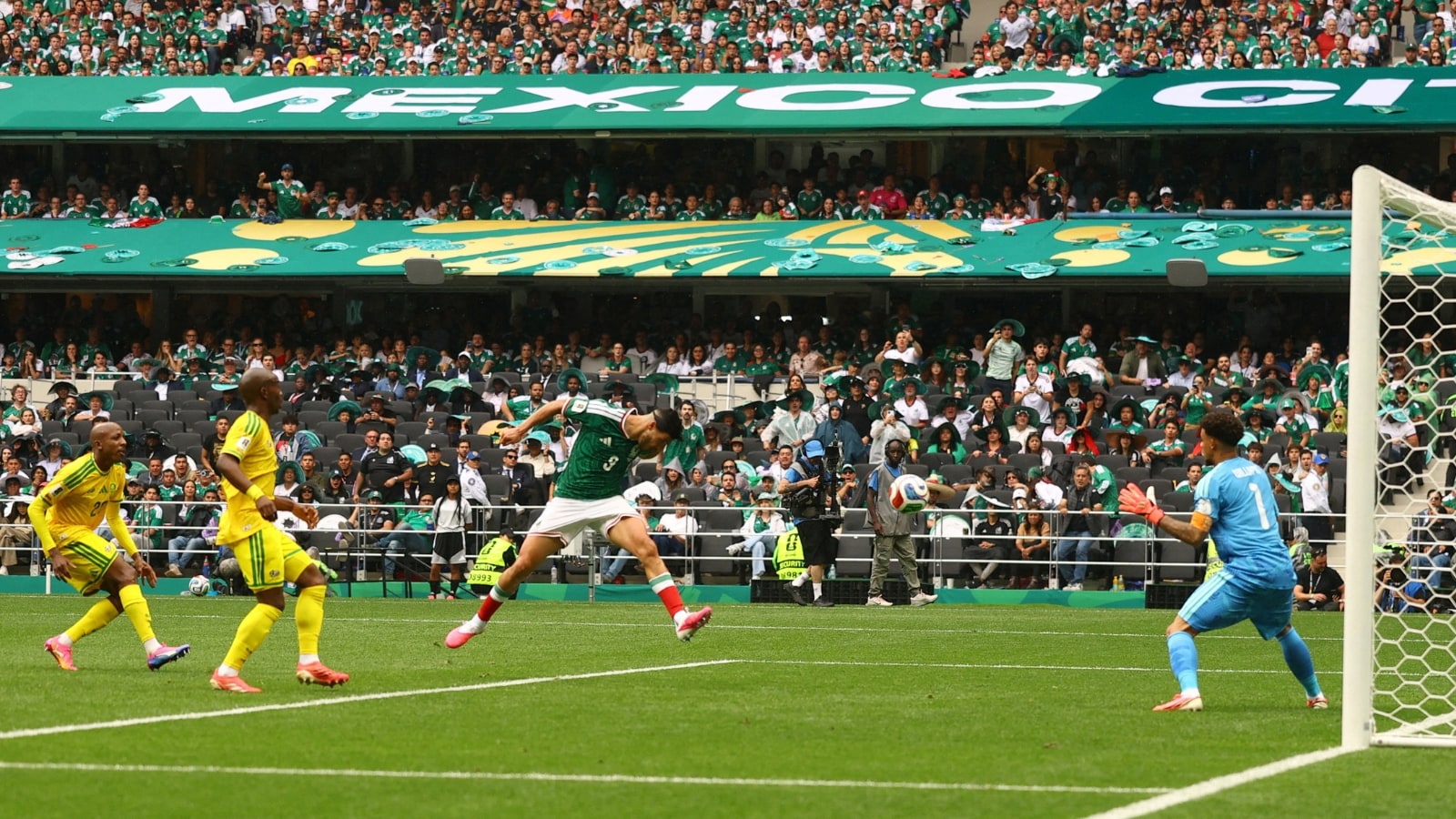
From that moment, South Africa's tactical plan evaporated. They fell into a defensive shell, trying desperately to limit the damage. Mexico exploited it in the 66th minute. Roberto Alvarado delivered a beautiful cross to the back post, and veteran Raúl Jiménez headed it home to make it 2-0. That goal pulled Jiménez level with Jared Borgetti at 46 all-time goals for El Tri. It should have been the moment Mexico cruised to the finish line.
Instead, everybody lost their minds.
When Discipline Completely Evaporated
What happened in the final ten minutes was ugly. South Africa substitute Themba Zwane, who had only been on the pitch for about twenty minutes, caught Roberto Alvarado in the face with an arm. A quick VAR review confirmed what everyone in the stands already knew. Another straight red. South Africa down to nine men.
You'd think Mexico would just pass the ball around and see out the clock. But César Montes decided to join the early shower club. In the first minute of stoppage time, the Mexican defender committed a completely reckless, unnecessary challenge on Khuliso Mudau just outside the penalty box. Sampaio whipped out the red card for a third time.
"The first red card, you have to accept it. Their player was going alone to the goal, and Yaya fouled him," South Africa coach Hugo Broos said after the match. "The second one, we can discuss... I don't think it was a red, it was too soft."
Whether Broos is right about the Zwane dismissal doesn't change the fact that his team lacked the composure needed for the big stage. They looked plagued by stage fright from the opening whistle.
The Hidden Silver Lining For El Tri
Amid the flying cards and tactical breakdown, something genuinely historic happened that most people ignored. In the midst of the second-half chaos, Javier Aguirre subbed on Gilberto Mora.
At just 17 years and 240 days old, Mora became the sixth-youngest player to ever step onto a World Cup pitch. He joins a legendary list that includes Pelé and Samuel Eto'o.
The kid looked completely unfazed by the madness surrounding him. While older, more seasoned players were throwing elbows and picking up suspensions, Mora showed the kind of calm, technical maturity that Mexico has desperately lacked in recent years. His inclusion wasn't a publicity stunt. Aguirre put him into a volatile match because the kid can genuinely play.
Why This Win Is Deceptive
Honestly, Mexican fans shouldn't celebrate too hard just yet. Historically, El Tri has been terrible in World Cup openers, holding a record of five losses and two draws before last night. Breaking that curse is great, but look at the context. They played a massive chunk of this game against ten men, and then nine men, yet they still managed to lose possession frequently and look vulnerable on the counter.
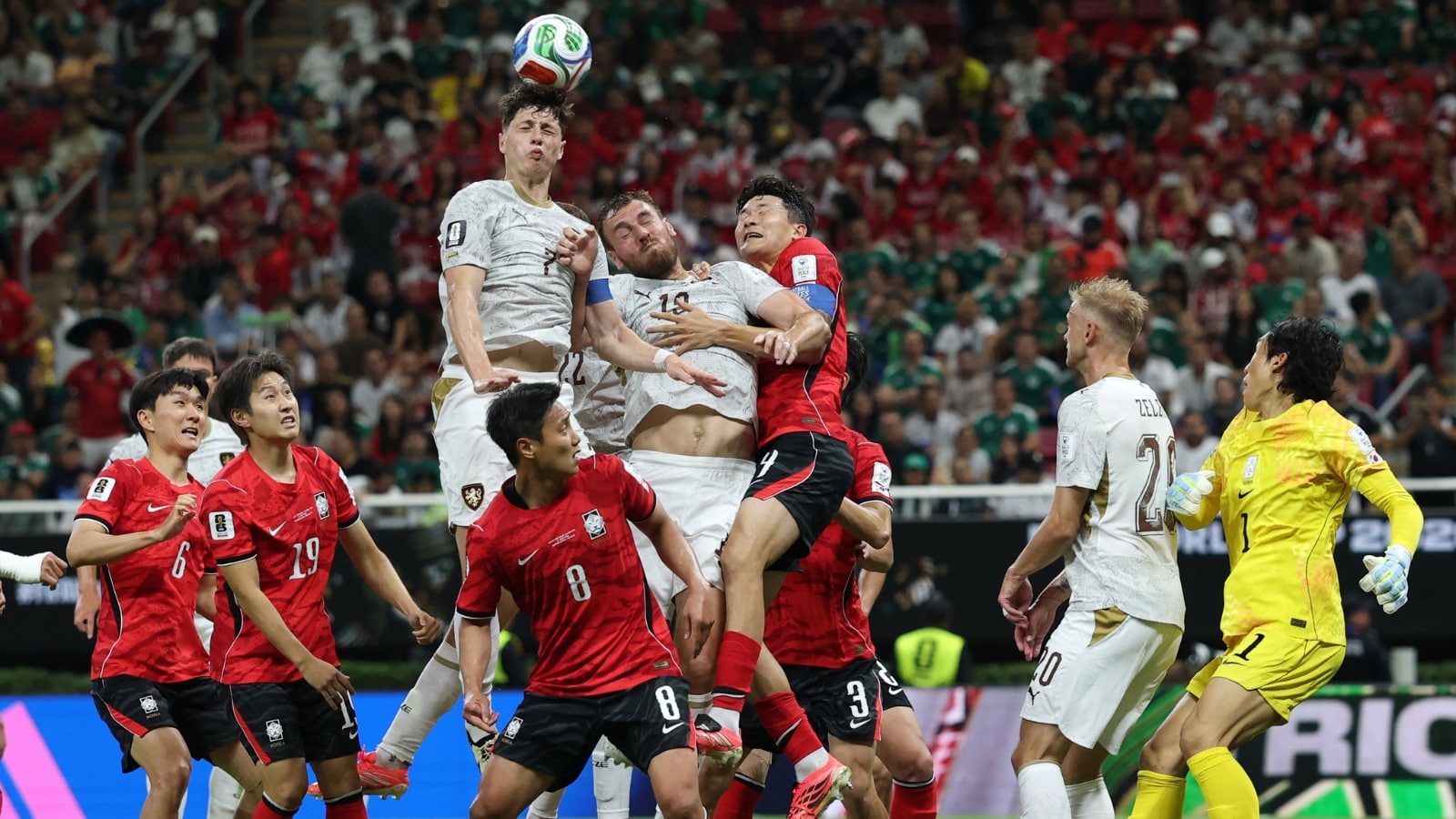
Worse, they now head to Guadalajara to face South Korea without César Montes. Losing your primary center-back to a suspension because of a brain-fade moment in the 91st minute of a game you’ve already won is unacceptable. South Korea will offer a significantly stiffer test than South Africa's toothless attack.
If Mexico doesn't fix their possession issues and figure out how to manage their emotions, that opening night party in Mexico City is going to cut short incredibly fast.
Your next move as a fan or bettor is clear: don't automatically buy into the hype surrounding Mexico's two-goal cushion. Look closely at the suspension lists and line-up adjustments before they take the pitch in Guadalajara on June 18. The cracks in the foundation are already showing.