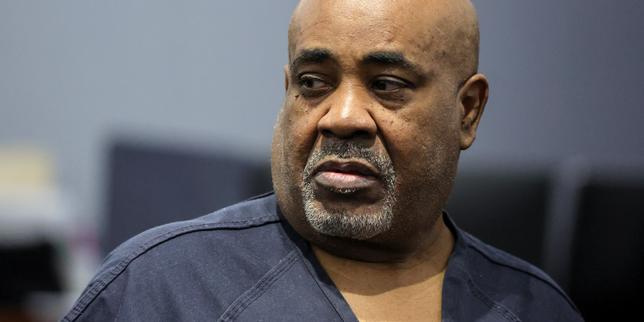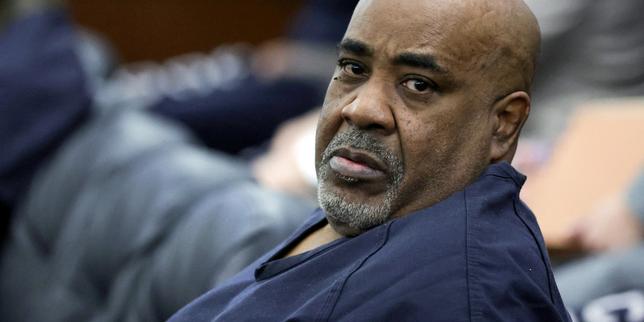
Thirty years after a drive-by shooting on Flamingo Road in Las Vegas, the machinery of justice grinds into motion, or at least puts on a convincing theatrical performance. The media eats it up. Thirty years of conspiracy theories, thirty years of myth-making, and now, finally, a courtroom drama to tie up the loose ends. It is lazy, comforting storytelling. It gives people a neat narrative arc: crime happens, decades pass, the law catches up, closure is achieved.
The entire premise of this trial serving as a historical reckoning is a collective delusion.
Let us be entirely clear about what is actually happening. We are looking at a late-stage legal proceeding against aging figures on the fringes of a tragedy, long after the cultural shockwaves have settled into safe, marketable nostalgia. The mainstream coverage treats this trial as the climax of hip-hop history. That perspective misses the point entirely. The trial is not a triumph of accountability. It is a symptom of an industry and a justice system that prefer prosecuting historical ghosts over examining structural failures.
The Myth Of Closure Through The Courts
Every anniversary brings the same tired tropes. Documentaries trot out grainy photographs of the white Cadillac, forensic experts parse bullet trajectories, and commentators talk about healing for the hip-hop community. This is a profound misunderstanding of how cultural trauma works.
Closure does not arrive via a gavel three decades late. By the time a courtroom opens its doors to litigate a murder from the mid-nineties, the perpetrators of the actual systemic rot have long since cashed their checks, retired, or passed away. Focusing public attention on the mechanics of a single night in Las Vegas acts as a brilliant smoke screen. It keeps everyone looking backward at street-level violence while ignoring the corporate and institutional architectures that profited immensely from the danger surrounding their biggest stars.
Imagine a scenario where the media dedicated a fraction of the investigative energy spent on Duane Davis's legal defense toward auditing the security practices, record label negligence, and predatory exploitation of young Black artists in the nineties. We would have an entirely different conversation about culpability. Instead, we get a courtroom spectacle that reduces a complex socioeconomic tragedy into a simple cops-and-robbers procedural.
The Economics Of Perpetual Nostalgia
Why now? Why does a trial materialize thirty years later? Cynicism is warranted here, but so is economic realism.
Death is the ultimate monetization strategy in the entertainment business. Tupac Shakur's estate, his image, his unreleased vocals, and his literary scraps have generated hundreds of millions of dollars. Keeping his name in active legal headlines maintains brand equity. It keeps the merchandise moving, the streaming numbers high, and the biopic interest alive.
The public treats this trial as a quest for objective truth. The culture industry treats it as a marketing campaign with a captive audience. When you view the proceedings through the lens of attention economics, the timing stops looking like an accident of jurisprudence and starts looking like calculated cultural maintenance. The narrative must remain alive because a dead icon who is actively litigated is worth far more than a quiet historical footnote.
Dismantling The Street-Level Fallacy
The mainstream narrative insists that this case is about street codes, gang retaliation in Compton and Las Vegas, and personal vendettas. This perspective is seductive because it reinforces comfortable prejudices about hip-hop culture policing itself. It allows observers to file the entire tragedy under the heading of inevitable inner-city violence.
That framework is fundamentally flawed.
Tupac was not merely a gang affiliate caught in a crossfire. He was a multi-platinum geopolitical asset for a publicly traded multinational corporation, Interscope Records and its parent entities, operating at a time when gangsta rap was the most lucrative export in American youth culture. The proximity to danger was not an unfortunate accident; it was a feature of the business model. Record executives courted the aura of authentic street peril, marketed it, and insulated themselves from the physical fallout.
When people ask why it took thirty years to get an arrest, they are asking the wrong question. The real question is why the infrastructure surrounding these artists treated their physical safety as an acceptable loss as long as the quarterly earnings reports stayed green. Focusing entirely on the trigger-man lets the corporate boardrooms off the hook.
The Danger Of Legal Theater
We have confused legal finality with moral clarity. A conviction in this trial will not change the material conditions of the music industry. It will not rewrite the exploitation embedded in standard recording contracts from that era. It will not bring back a generational talent whose life was cut short while record executives watched box office receipts climb.
When the verdict finally drops, commentators will declare that justice has been served. They will call it a historic day for hip-hop. Do not buy it. It is a late-stage bureaucratic cleanup operation designed to give comfort to people who want a clean ending to a very messy story.
The real tragedy of Tupac Shakur's death is not that it took thirty years to put someone on trial. The tragedy is that thirty years later, we are still more interested in the theater of the courtroom than the uncomfortable truth of how the culture machine chews up its icons and spits them out for profit.
The gavel falls. The cameras flash. The streaming numbers spike. Nothing changes.
_Steam_Key-GLOBAL_1.webp)