Midnight in Gloucestershire is rarely silent, but it is heavy. The air smells of wet grass, old stone, and the low, constant thrum of jet engines idling miles away behind high-security perimeters. For decades, the residents of the English countryside near RAF Fairford have lived side by side with the ghosts of geopolitical strategy. They watched the massive B-52 bombers roar into the grey skies during the Cold War, through the decades of Middle Eastern conflicts, and into the shadow of the ongoing confrontations involving the United States, Israel, and Iran.
The villagers know the score. They know that a runway hosting American military might is a coordinate on maps drawn thousands of miles away. You might also find this connected article useful: What Most People Get Wrong About Switzerland's Neutrality Vote.
Then came three suspicious vans cutting through the dark.
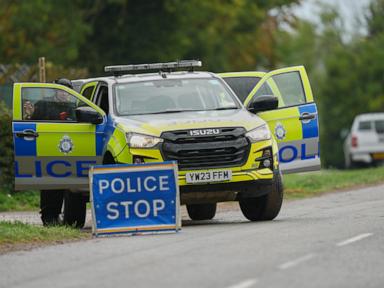
It was 12:45 a.m. when London's Metropolitan Police received the call. The vehicles were moving with purpose, creeping toward the perimeter of the sprawling air base. What followed was not a cinematic shootout, but a cold, calculated interception born of months of invisible intelligence tracking. Counter-terrorism officers, operating on warnings that Tehran and its proxy networks might expand their targets outward as regional wars intensified, moved in. Five men were detained in that initial sweep, their vans halted in the damp night air on suspicion of preparing an active terrorist strike. As discussed in latest coverage by Reuters, the implications are widespread.
Quietly, the architecture of modern warfare shifted.
The threat was never abstract. According to federal indictments unsealed in the United States, the plot stretched far beyond a single rural English lane. Investigators uncovered a web connecting jailed commanders, coded phone conversations from maximum-security units, and a network of operatives tasked with orchestrating a campaign of violence targeting Western and allied interests. The men arrested near the Gloucestershire fence were part of a wider conspiracy linked to groups like Kata'ib Hizballah and Iran's Islamic Revolutionary Guard Corps.
Consider what happens when a global conflict bleeds into a sleepy European village.
For the people living down the road from the base, the morning brought flashing blue lights, cordoned-off country lanes, and mandatory evacuations. Neighbors who had spent years ignoring the roar of overhead bombers suddenly found themselves peering through curtains at counter-terrorism police wearing unmarked tactical gear. The invisible war had found their doorstep.
Intelligence agencies had been watching the communications web for months. Prosecutors revealed that directives were being whispered across prison phone lines using heavily coded language about ongoing "work". The machinery of terror relies on ordinary logistics—rental vans, cash passed through intermediaries, and operatives blending into the background of open societies. But every conspiracy leaves a footprint. When those three vans converged toward the airfield perimeter, surveillance turned into immediate, kinetic intervention.
The repercussions rippled instantly through military channels. The United States Air Force, confronting a real and verified threat to its personnel and assets, took the proactive step of relocating its bombers away from the exposed British installation. Steel and titanium wings folded back, lifting off the tarmac to retreat across the Atlantic, a stark reminder that modern deterrence is a fragile equilibrium.
In the aftermath, the political rhetoric flared. Leaders on both sides of the Atlantic praised the joint intelligence-sharing that neutralized the cell before devastation could be wrought. Yet, beneath the statements of official triumph lies a sobering reality. The boundaries separating localized regional wars from domestic security have dissolved.
The vans stopped in the dark. The handcuffs clicked shut in the mist. But the airfield remains, the runway lights still guide the night, and the quiet tension at the edge of the village persists, waiting for the next whisper in the dark.
U.K. police arrest 5 near airbase on suspicion of terrorist plot
This video provides news coverage and on-the-ground context regarding the security response and the detention of suspects near the military base in England.