Resolving the diplomatic dispute between South Korea and Ukraine requires aligning asymmetric security incentives rather than trading blame over breached confidentiality. Surface-level coverage treats the friction as a simple quarrel over whether Kyiv broke an informal promise when disclosing the transfer of two captured North Korean soldiers to South Korea. That framing misses the structural tension driving both capitals: Ukraine fights for national survival and seeks every diplomatic and military lever against Moscow, while South Korea manages multi-front exposure to North Korea, Russia, and China while guarding domestic political stability and energy security.
The blueprint for resolving the dispute rests on four analytical pillars:
- The Confidentiality Asymmetry Framework: Separate operational security for defectors and their families from public diplomacy signaling.
- The Multi-Front Risk Function: Map how Seoul weighs Russian leverage, North Korean combat learning, and energy vulnerability against solidarity with Kyiv.
- The Aid and Arms Elasticity Model: Explain why humanitarian and reconstruction support continues even when lethal transfers remain off-limits.
- The Normalization Protocol: Sequence concrete diplomatic steps that restore trust without forcing either side to surrender core strategic constraints.
The Confidentiality Asymmetry Framework
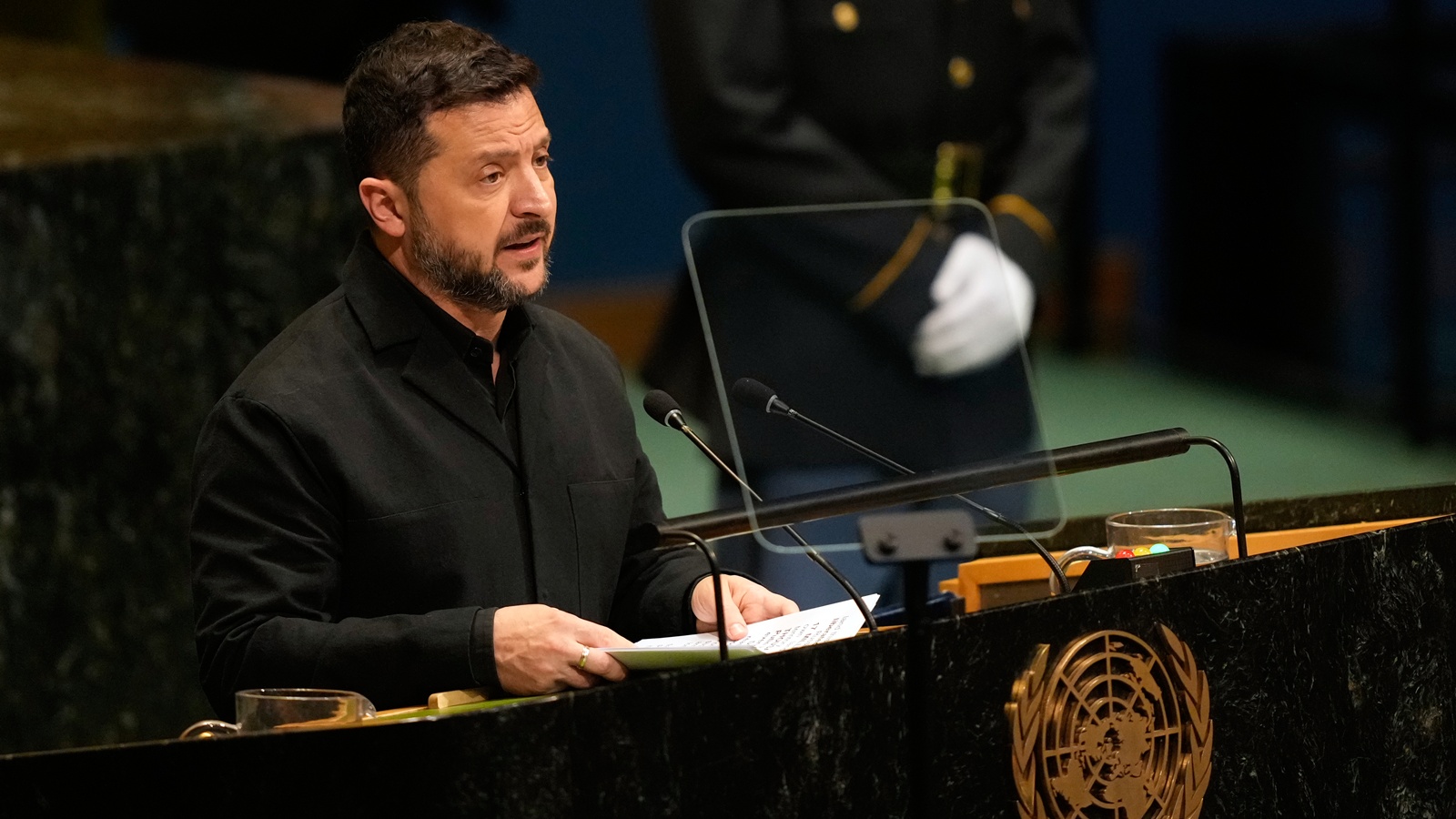
A standard diplomatic narrative frames the row as a binary credibility test: either Kyiv violated a non-disclosure understanding during international remarks in September 2026, or Seoul overreacted to an unscripted public mention. Treating the episode as a he-said-she-said dispute obscures why the disclosure carried radically different costs for each government.
For Kyiv, publicizing the transfer of North Korean prisoners of war who chose resettlement in South Korea serves an immediate strategic function. Ukrainian leaders face relentless pressure to demonstrate that Russia's war relies on foreign manpower—with estimates ranging from roughly 14,000 to as many as 25,000 North Korean troops deployed and thousands killed—and to rally global backing against a coalition that includes Pyongyang. Announcing a transfer at a high-profile forum converts a quiet intelligence and consular operation into public proof of Moscow's dependence on external forces.
For Seoul, publicity alters risk calculations across three distinct vectors:
- Family and Defector Exposure: South Korean officials emphasized the physical safety of the transferred soldiers and potential retaliation against relatives still inside North Korea. Even when Pyongyang avoids state media coverage of embarrassing defections to protect its narrative of ideological devotion and battlefield sacrifice, intelligence and security agencies in Seoul treat any public spotlight on defectors as a long-term counterintelligence and protection liability.
- Inter-Korean Signaling Sensitivity: President Lee Jae Myung's administration entered office in June 2025 emphasizing pragmatic diplomacy and later signaled willingness to pursue coexistence and dialogue with Pyongyang without rigid preconditions. Publicly spotlighting North Korean troops captured in Russian service and resettled in the South complicates quiet backchannels and fuels domestic partisan attacks against the president's handling of North Korea and bilateral trust.
- Domestic Political Fallout: When Kyiv disputed the existence of a confidentiality agreement, critics inside South Korea seized on the contradiction to attack the administration's competence and credibility at home. In democracies facing tight approval margins, an external partner's public pushback can turn a technical intelligence leak into a domestic political crisis.
The cause-and-effect chain here is clear. Kyiv optimized for international visibility and coalition pressure; Seoul prioritized deniability, family protection, and domestic political insulation. When an operational transfer lacks a written, verifiable protocol governing public statements, the party with greater incentive for visibility is far more likely to break silence—and the party bearing greater domestic and security fallout is far more likely to respond with ambassadorial recalls, embassy staff adjustments, and demands for a formal apology.
Consider a practical analogy from corporate mergers. Two firms agree to keep a sensitive executive hire quiet until onboarding finishes. One firm leaks the news to impress investors ahead of a funding round; the other faces furious pushback from its board and risk team because the premature announcement triggers rival poaching and compliance scrutiny. The disagreement is not merely about memory of a handshake—it stems from misaligned incentives around timing and exposure.
The Multi-Front Risk Function
Articles that ask why South Korea and Ukraine quarrel often assume that shared opposition to Moscow's aggression should automatically produce tight alignment. That assumption treats international politics as an ideological ledger rather than a constrained optimization problem. South Korea does not face Russia in isolation; it manages a tightly coupled security environment on the Korean Peninsula and in Northeast Asia.
Moscow's deepening partnership with Pyongyang—highlighted by their 2024 strategic treaty, estimated financial and economic lifelines worth up to $14 billion, battlefield use of North Korean ballistic missiles, and deployment of North Korean troops—directly threatens South Korea. North Korean units fighting alongside Russian forces gain live combat experience with modern drone warfare and artillery coordination, while weapons testing against Ukrainian targets generates technical feedback that can improve missile accuracy against targets in East Asia.
Known facts vs. educated hypotheses: It is a known fact that North Korean forces have deployed to support Russia, that Russia and North Korea have expanded strategic and military ties, and that South Korea has restricted direct lethal arms transfers to Ukraine while maintaining sanctions and humanitarian aid. It is an educated hypothesis—supported by analyst assessments rather than public confirmation—that Seoul's intense anger over the POW disclosure was partly driven by quiet calculations regarding how Pyongyang might react or how discrete handling might preserve room for future inter-Korean engagement.
South Korea's risk function weighs competing pressures that pull in opposite directions:
- Escalation Exposure on the Peninsula: Seoul must avoid actions that prompt Moscow to transfer even more sensitive military technology—such as advanced submarine, space, air-defense, or missile propulsion systems—to Pyongyang in retaliation for South Korean weapons appearing on the Ukrainian battlefield.
- Energy and Trade Vulnerability: Importing roughly 98 percent of its fossil fuel needs leaves South Korea acutely exposed to supply shocks, particularly when Middle East conflict and broader global market shifts tighten energy availability. Preserving diplomatic room for maneuver with major commodity suppliers—and avoiding unnecessary economic friction—carries tangible weight for industrial costs and inflation.
- Alliance and Coalition Expectations: As a major defense exporter and security partner of the United States, South Korea faces pressure from Western partners to demonstrate solidarity with international law and democratic sovereignty. Yet South Korean policymakers consistently argue that their primary constitutional duty is deterring war on the Korean Peninsula, not fighting a proxy conflict in Eastern Europe.
When analysts ignore these constraints, they misread South Korea's caution as indifference or pro-Russian sympathy. In reality, Seoul's posture reflects risk management under high uncertainty: trying to deter North Korea, limit Russian technology transfers to Pyongyang, protect energy and economic stability, and still maintain a baseline of humanitarian support for Ukraine.
The Aid and Arms Elasticity Model
A common mistake in commentary on this dispute is conflating diplomatic friction with a total collapse of bilateral support. Even as Seoul recalled its ambassador and weighed embassy adjustments in October 2026 following the September disclosure, discussions continued between foreign ministries, and South Korea maintained its track record of humanitarian and reconstruction backing—including a $100 million allocation in the 2027 draft budget alongside continued support principles.
To understand why ties strain sharply without snapping completely, apply an elasticity model to South Korea's Ukraine policy:
- Lethal Weapons Transfers (Near-Zero Elasticity): Supplying lethal weapons directly to a country at war crosses a high political and strategic threshold in South Korea. Domestic public opinion remains cautious about direct military involvement in foreign wars, and governments across administrations have resisted crossing that line out of fear of direct Russian retaliation and intensified Moscow–Pyongyang military cooperation. Diplomatic spats rarely push this category upward, and political backlash from lawmakers can keep it firmly locked.
- Humanitarian, Financial, and Reconstruction Support (Moderate Resilience): Aid aimed at civilian relief, infrastructure recovery, and post-war rebuilding faces far less domestic resistance and carries lower escalation risk with Moscow. While hardline voices inside South Korea occasionally call for reviewing aid during acute diplomatic rows, foreign ministry leadership and broader diplomatic norms tend to preserve basic humanitarian and reconstruction commitments as a floor under bilateral ties.
- Sanctions and Dual-Use Enforcement (High Friction Point): Export controls and enforcement against illicit routing of dual-use goods—such as computer numerical control machinery that can support defense manufacturing—sit in the middle. Kyiv presses for stricter enforcement and tighter oversight, while Seoul balances compliance with administrative capacity and commercial realities.
This elasticity explains a crucial dynamic: a diplomatic row over protocol can freeze high-level visits, delay cooperation, and sour public goodwill without erasing baseline humanitarian assistance. Conversely, restoring warm rhetoric alone will not automatically unlock lethal weapons transfers because the barrier to lethal aid is structural, not merely personal.
The Normalization Protocol
High-level contact between South Korean and Ukrainian foreign ministers in Paris in November 2026 signaled that both governments want to contain the fallout rather than let a protocol clash harden into lasting estrangement. Turning a tentative thaw into durable normalization requires moving past apologies and counter-accusations to fix the underlying operating rules.
Both sides face real limitations in what they can concede. Ukraine cannot stop highlighting foreign troops fighting alongside Russian forces, nor can it afford to alienate a wealthy industrial and defense power that contributes to recovery and shares intelligence on North Korea. South Korea cannot ignore domestic political accountability over broken confidentiality claims, nor can it abandon its core restraint on lethal arms transfers without triggering major strategic risks.
A realistic resolution depends on a four-step sequence:
- Codify Sensitive Case Protocols in Writing: Replace informal or ambiguous understandings on prisoner transfers, defector handling, and intelligence sharing with explicit written rules specifying who controls public statements, when announcements can occur, and what constitutes a breach. Verbal assurances fail under political pressure; written protocols create clear accountability for both ministries.
- De-Link Protocol Disputes from Humanitarian Commitments: Establish a clear firewall between bilateral diplomatic grievances and humanitarian or reconstruction assistance. Protecting civilian and recovery aid from political whipsaws preserves Seoul's credibility as a constructive partner while keeping Kyiv focused on practical cooperation rather than public shaming.
- Establish Quiet Intelligence and Sanctions Channels: Maintain working-level exchanges on North Korean troop deployments, battlefield lessons, and dual-use export control enforcement away from cameras. Quiet technical coordination delivers higher value to both capitals than public UN speeches that trigger domestic backlash.
- Calibrate Expectations Around Asymmetric Priorities: Kyiv should calibrate its requests to what South Korea can realistically deliver—humanitarian aid, reconstruction participation, diplomatic backing for sovereignty, and intelligence/sanctions coordination—rather than pressuring Seoul into lethal arms commitments that domestic politics and regional security constraints block. Seoul, in turn, should consult closely before any sensitive joint action and recognize that Kyiv's survival imperatives make unilateral silence harder for Ukrainian leaders to sustain.
The Strategic Play
The decisive move for both governments is to treat the prisoner-of-war disclosure crisis as a governance failure in bilateral crisis management, not a verdict on the value of the relationship. South Korea and Ukraine should immediately conclude a formal, bilateral confidentiality and public-communications protocol covering sensitive humanitarian and prisoner transfers, paired with a joint working group on dual-use export enforcement and North Korean military activity. If Seoul locks in written guardrails and keeps humanitarian and reconstruction funding steady while Kyiv respects pre-agreed disclosure boundaries, both capitals can contain future diplomatic shocks and extract practical security and recovery value from a partnership that neither side can afford to lose.