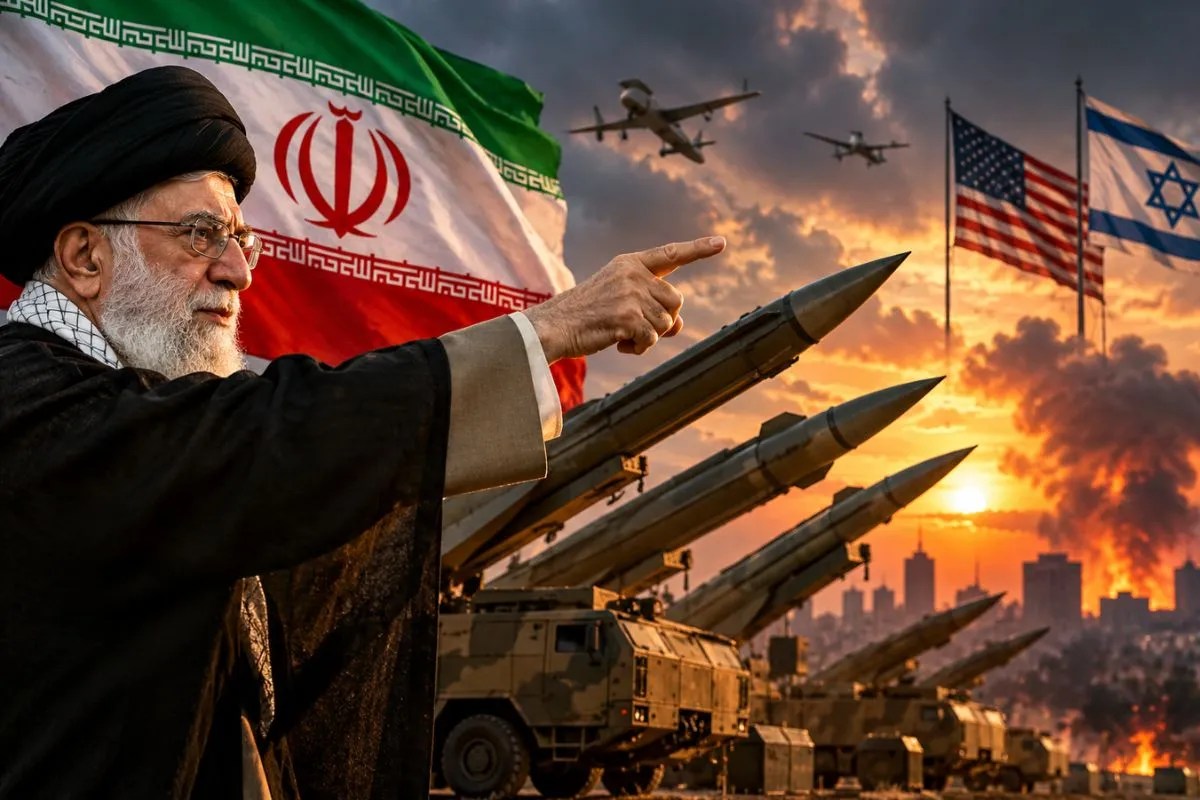
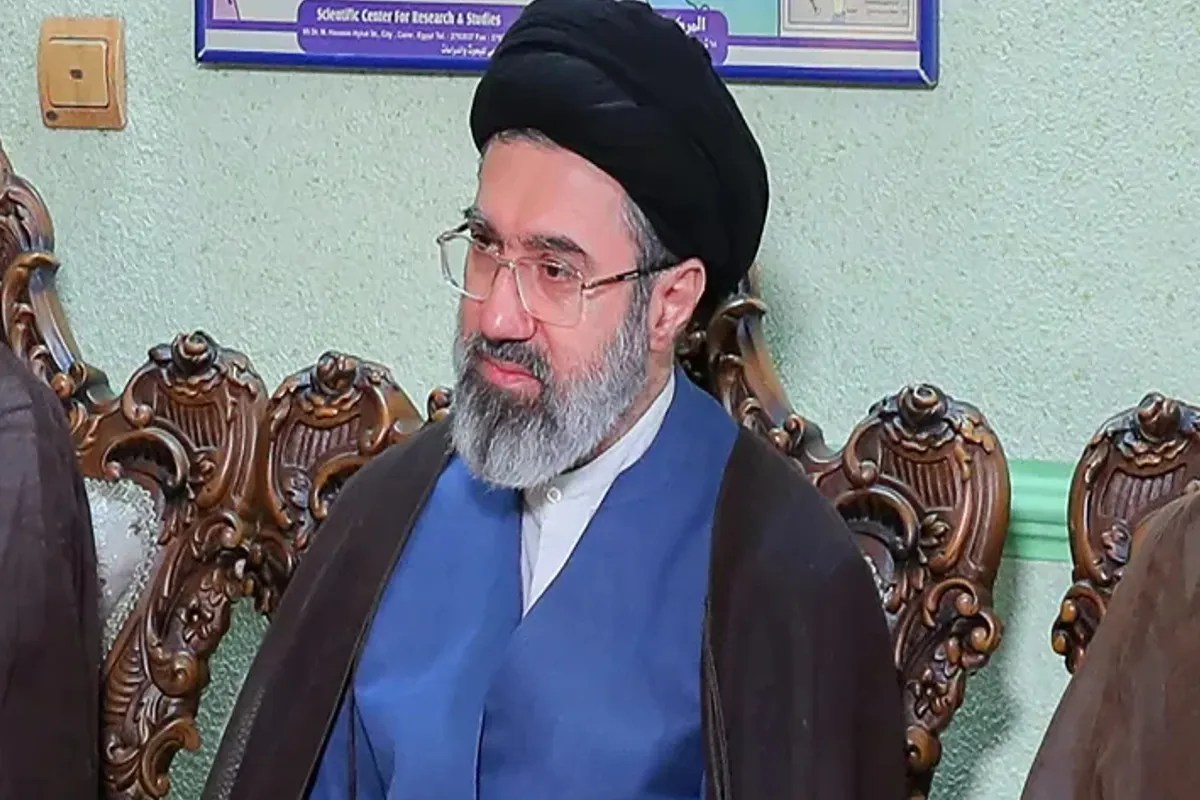
Two bombs nearly killed Iran's new Supreme Leader before most people outside Tehran even knew he held the job.
Think about that for a second. On February 28, 2026, joint US and Israeli strikes tore through Tehran, killing Ayatollah Ali Khamenei and wiping out multiple senior Iranian officials. His 56-year-old son, Mojtaba Khamenei, survived that initial blast. He was wounded and rushed to a medical facility. Then the bombs hit the hospital too.
For months, Western intelligence agencies, Iranian state media, and political insiders traded wildly contradictory stories about whether Mojtaba was alive, comatose, disfigured, or running a war from an underground bunker. Then came a blunt admission from inside Iran's own clerical establishment. Mohsen Heydari, a sitting member of Iran's Assembly of Experts, confirmed that Mojtaba Khamenei had to be physically pulled from the rubble of a bombed Tehran hospital.
That single detail changes how you have to read everything coming out of Tehran right now. Most news outlets treated Heydari's disclosure like a quick wire blurb, skipping over the political mechanics, the intelligence contradictions, and what a wounded, invisible Supreme Leader actually means for the conflict in late 2026. Let's break down the verified facts, separate wartime propaganda from hard evidence, and look at why this story still drives geopolitical risk today.
How Mojtaba Khamenei Survived Two Direct Strikes
The timeline of Mojtaba Khamenei's survival reads less like standard statecraft and more like a wartime extraction.
When the February 28 US-Israeli airstrikes hit Tehran, the primary objective was decapitating Iran's leadership structure. Ali Khamenei didn't survive. Mojtaba did, though he took shrapnel or blast injuries serious enough to require immediate hospital admission.
According to Mohsen Heydari's account—originally reported via Al Araby and picked up by the New York Post in late September 2026—moving Mojtaba to a medical center didn't put him out of reach. Three separate hospitals in Tehran were bombed during the campaign. Mojtaba was inside the third hospital when it took a hit.
"Even after he had been wounded and taken to the hospital, three hospitals in Tehran were bombed," Heydari stated. "Mojtaba Khamenei was in the third hospital and was pulled from the rubble."
Rescue teams dug him out of the collapsed structure and moved him to an undisclosed location. Since that extraction, the 56-year-old cleric hasn't made a single public appearance or delivered an on-camera speech. Every statement attributed to him—including directives ordering Iranian forces to strike US and Israeli assets or instructing President Masoud Pezeshkian to end the state of "neither war nor peace"—has arrived as written text read by state television anchors or relayed through intermediaries.
Why the Assembly of Experts Held a Secret Paper Vote
You can't understand the hospital strike without looking at how chaotic Iran's succession process actually was in early March 2026.
Under Iran's constitution, the 88-member Assembly of Experts selects the Supreme Leader. Normally, that process involves formal clerical vetting, committee dossiers, and structured deliberations in Qom. None of that happened normally this time.
US and Israeli strikes hit the Assembly of Experts secretariat in Qom directly. Eight people died in that attack. Worse for the clerics, the strike destroyed the physical archives containing candidate evaluations, background reports, and formal recommendations.
With bombs still falling and communications compromised, the Assembly couldn't convene openly. Here's how they actually pulled off the March 8 vote:
- Assembly members wrote their choices down on physical slips of paper before relocating to a secure, secret room.
- Mohsen Heydari was the first cleric to formally propose Mojtaba Khamenei's name.
- Only 59 votes were cast in total—a stark reflection of how scattered or incapacitated the broader assembly was during the bombardment.
- Mojtaba secured 50 of those 59 votes, clearing the threshold easily.
- Ayatollah Alireza Arafi received eight votes, and one member abstained.
The wildest detail? According to Heydari, Mojtaba Khamenei didn't even know he had been elected Supreme Leader until Iranian state television broadcast the announcement. An official noted that once the Assembly finalized the vote, Mojtaba was "legally and religiously" bound to accept the role, regardless of his physical condition or personal reluctance.
Competing Claims About Mojtaba Khamenei's Health
If you've tried following Mojtaba's actual medical status since March, you've probably noticed that everyone has a totally different story. That's not an accident. Both Washington and Tehran have massive incentives to shape the narrative around whether Iran's commander-in-chief is functional.
What US Officials and Intelligence Assessments Say
In Washington, the consensus leans toward severe, lasting physical trauma. In August 2026, US President Donald Trump addressed the rumors during an interview with commentator Glenn Beck. Trump stated plainly that he didn't believe Mojtaba was dead, but described him as badly crippled.
"He was very seriously wounded," Trump said. "The left side of his body, the arm, the leg, the whole thing. He was very seriously wounded, but I don't think he's dead."
Separate US intelligence assessments referenced in media reporting go even further, suggesting that the strikes left Mojtaba with severe facial disfigurement. Earlier leaked dissident messages circulating in London in March 2026 claimed he had lost one or both legs, suffered ruptured internal organs, and spent time in a coma. While dissident rumors always require heavy skepticism, the alignment between Trump's public remarks about left-side trauma and intelligence reports of facial injuries explains a lot. In Iranian political culture, projecting physical strength and clerical dignity matters. A visibly disfigured or paralyzed Supreme Leader would hand domestic critics and foreign adversaries a powerful psychological weapon.
What Tehran Claims
Iranian officials tell the exact opposite story, though their own admissions keep tripping them up.
During a Fox News interview with Bret Baier in September 2026, Iranian President Masoud Pezeshkian insisted Mojtaba was "completely" healthy. Pezeshkian claimed the two had recently sat down for a seven-hour policy meeting. Heydari similarly told Al Araby that the Assembly of Experts received assurances Mojtaba was "healthy and able to lead" before casting their ballots.
Honestly, Pezeshkian's claim doesn't pass the basic smell test. If the Supreme Leader is completely healthy and capable of seven-hour working sessions, why hasn't he appeared in a single dated video clip since February? Even a 30-second video statement from an undisclosed bunker would instantly kill every Western intelligence leak about facial disfigurement and amputations. Security fears explain why he avoids public rallies. They don't explain why he avoids a camera inside a secure room.
From "Man of the Shadows" to Wartime Leader
Before February 2026, Mojtaba Khamenei operated almost exclusively behind the curtain. Heydari himself referred to him as a "man of the shadows," noting that Mojtaba had never held an elected office or formal cabinet post in the Islamic Republic.
For decades, his power came from proximity. Acting as his father's gatekeeper and trusted adviser, Mojtaba built deep ties inside the Islamic Revolutionary Guard Corps (IRGC) and the intelligence apparatus. Many analysts assumed his lack of high-ranking clerical credentials—and the Islamic Republic's historical aversion to hereditary monarchy—would block him from ever taking the top job.
The February strikes blew up those assumptions overnight.
When a regime faces an existential military campaign, clerical seniority takes a back seat to survival and loyalty. The IRGC needed someone who already knew the security networks, wouldn't fracture the chain of command, and carried the Khamenei name as a symbol of continuity. That's why 50 out of 59 clerics backed him in a bombed-out emergency session despite his lack of formal governing experience.
How to Read News Out of Tehran Without Getting Burned
When major geopolitical crises unfold under strict censorship and active military censorship, misinformation spreads faster than verified intelligence. If you're tracking developments around Iran's leadership, the Strait of Hormuz, or potential ceasefire negotiations, apply a few practical filters to every breaking headline:
- Separate official statements from proof of life. Written decrees issued in Mojtaba Khamenei's name prove that an office is functioning on his behalf, not that he personally drafted or approved every word. Until a verifiable, timestamped video appears, treat claims of full physical recovery with caution.
- Watch military actions over diplomatic rhetoric. In November 2026, President Pezeshkian talked about ending the "no war, no peace" stalemate through dignified dialogue, while maritime monitors like Lloyd's List documented a conflict-high 37 vessel attacks in the Strait of Hormuz during October alone. Track shipping data, base strikes, and troop movements rather than press interviews.
- Cross-check single-source claims. Notice how the "pulled from the rubble" quote originated from one specific interview by Mohsen Heydari. While Heydari is a genuine Assembly of Experts insider, he also has a political motive to frame Mojtaba as a miraculous survivor chosen by providence. Look for corroboration from independent defense analysts or multi-source intelligence reporting before treating any single anecdote as gospel.
- Follow the chain of command. Pay close attention to who actually shows up in public—figures like President Pezeshkian, Parliament Speaker Mohammad Bagher Ghalibaf, and senior IRGC commanders. While Mojtaba remains hidden, these visible officials are the ones executing daily policy and managing internal economic pressure, including Iran's massive inflation crisis.
Mojtaba Khamenei survived two strikes that killed nearly everyone around him, took power through a secret paper ballot while buried in the aftermath of a bombing, and now governs one of the most volatile conflicts in the world without showing his face. Whether he's recovering in a bunker or serving as a figurehead for IRGC commanders, the fact that he had to be dug out of hospital rubble tells you everything about how fragile Tehran's leadership structure really is.
For more background on how the hospital strike story broke, check out Iran's supreme leader Mojtaba Khamenei reportedly pulled from rubble, which summarizes the initial reporting around Mohsen Heydari's claims and the conflicting statements from Washington and Tehran.