The Canadian Food Inspection Agency barred livestock imports from Texas following the discovery of a single New World screwworm larva in a three-week-old calf in La Pryor, Texas. While a ban triggered by one calf looks like a bureaucratic overreaction, it is a calculated firebreak designed to protect a vulnerable continental supply chain. The emergency containment zone established in South Texas exposes a precarious reality. North American livestock production operates on a razor-thin margin of biosecurity, and a failure to contain this pest threatens to upend a multi-billion-dollar beef market already strained by historic herd liquidation.
Canada took immediate action to protect its agricultural border, enforcing a mandatory 21-day exclusion zone for any Texas livestock. Federal authorities understand that while the parasitic fly cannot survive the harsh northern winter, a summer breach would be devastating. A seasonal window is all the pest needs to burrow into Canadian herds, destroying animal welfare and halting exports.
The underlying problem is that the continental defense system against the parasite has breached. For over half a century, the United States maintained a biological barrier at the Darién Gap in Panama, using a steady release of factory-bred sterile male flies to suppress wild populations. That barrier failed. Over the past year, the pest marched steadily northward through Central America and Mexico, fueled by shifting climate patterns and mutating trade corridors. Ranchers watched the line move closer for months.
SCREWWORM MARCH: THE NORTHWARD ESCALATION
+---------------------------+-----------------------------------+
| Timeline                  | Pest Perimeter                    |
+---------------------------+-----------------------------------+
| Early 2025                | Southern Mexico Border            |
| Spring 2026               | 150 Miles from U.S. Border        |
| June 3, 2026              | Confirmed Case in La Pryor, Texas |
| June 5, 2026              | Canadian Import Restrictions      |
+---------------------------+-----------------------------------+
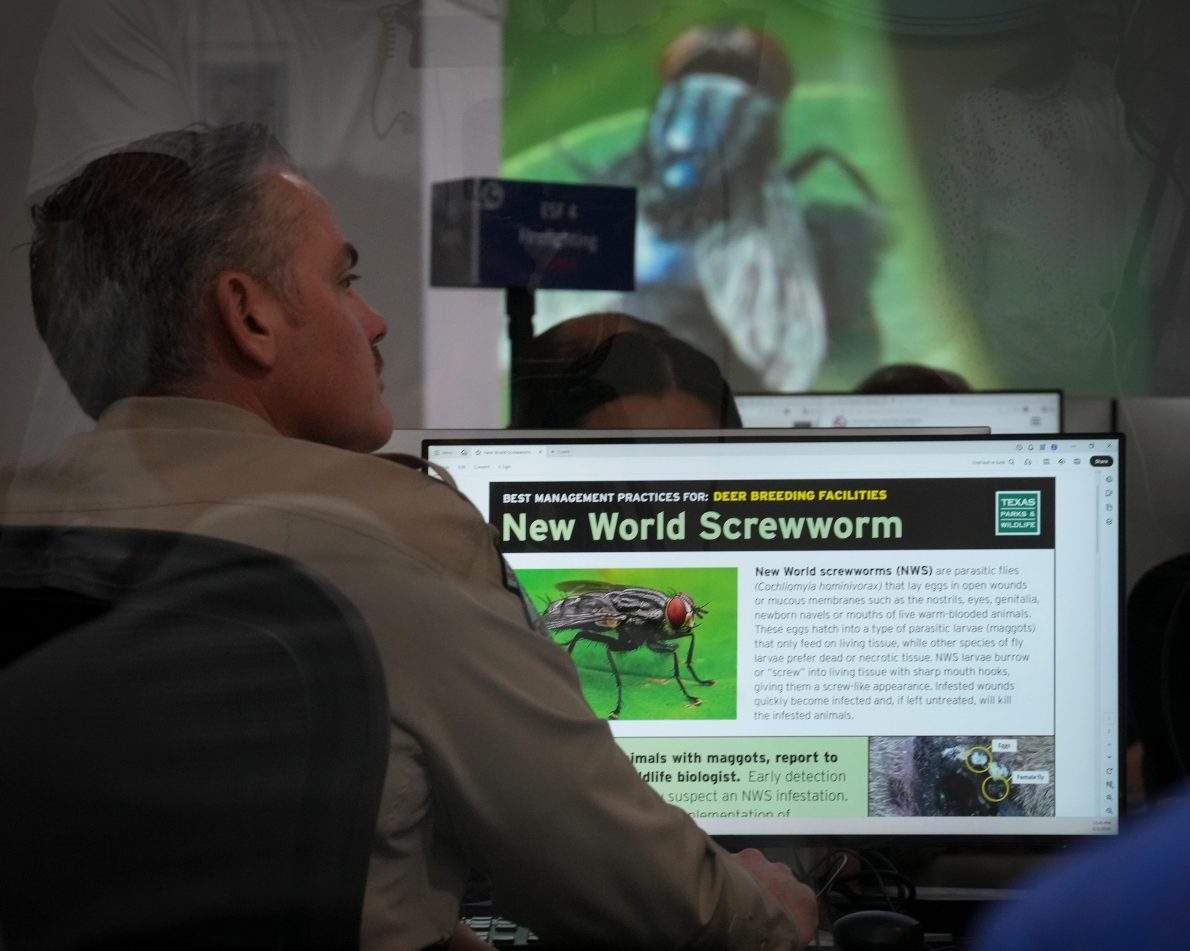
Understanding the mechanism of the New World screwworm explains the severity of the institutional panic. Unlike ordinary blowflies that target decaying matter, Cochliomyia hominivorax seeks out living, warm-blooded tissue. A female fly needs only a minor scratch, a tick bite, or a fresh umbilical cord to deposit hundreds of eggs. Within hours, the larvae hatch and use specialized mouth-hooks to cut into the living flesh of the host. The wound widens, emitting a distinct odor that attracts more flies, creating a compounding cycle of infestation. Left untreated, an animal is consumed from the inside out and dies within days.
The discovery in La Pryor represents a logistical nightmare. Texas authorities immediately implemented a strict 12-mile quarantine zone, prohibiting the movement of all warm-blooded animals without intensive inspection. The problem is that wildlife does not respect quarantine lines. Feral hogs, white-tailed deer, and migratory birds act as untrackable vectors, capable of carrying the parasite past highway checkpoints and across state lines undetected.
The timing of this biological breach could not be worse for the agricultural economy. North American cattle supplies are already at a 75-year low, driven by years of severe drought across the Southern Plains that forced ranchers to liquidate their breeding herds.
"Canadian cattle producers are already navigating the tightest North American cattle supplies in decades," notes an industry analyst tracking cross-border futures. "A wider screwworm spread will push feeder cattle prices to unsustainable highs and tighten beef supplies for packers across the continent."
This economic strain highlights a massive infrastructure failure. The primary tool for eradicating a screwworm outbreak is the Sterile Insect Technique. By flooding an infested area with millions of laboratory-reared, irradiated male flies, wild females mate fruitlessly and the population collapses. The United States lacks the domestic capacity to deploy this defense at scale. The Department of Agriculture broke ground on a dedicated sterile fly production facility in Texas, but bureaucratic delays mean it will not be operational until late 2027. Texas leadership offered to absorb additional costs to accelerate construction, recognizing that the state cannot afford a second summer of exposure without a domestic supply of sterile insects.
Ranchers face immediate operational disruptions. Every scratch, branding mark, and castration wound must now be treated as a potential site for infestation. Biosecurity protocols require manual, animal-by-animal inspections before any livestock movement is authorized. The added labor costs and transport delays will quickly erode the profitability of independent operations.
The immediate next step for the cattle industry is an aggressive pivot to systemic wound management and localized chemical barriers. Producers must treat every newborn animal and open wound with larvicides immediately, rather than relying on regional eradication programs that are years away from being fully functional.