A high-stakes backchannel negotiation between Washington and Tehran has ground to a sudden halt over a explicit demand: the immediate unfreezing of $24 billion in Iranian assets overseas. Iran is insisting on a two-stage release of these funds as a baseline trust-building measure, framing it as the ultimate test of the Trump administration's willingness to forge a lasting peace deal. The White House, conversely, views the cash as its ultimate point of leverage over an economically listing regime. This deep structural impasse has left the diplomatic track paralyzed, even as public statements from both sides attempt to project a facade of positive momentum.
Behind the public posturing lies a stark collision of domestic political realities and bitter historical precedent. Building on this idea, you can also read: The Brutal Math of Africa Demographic Boom.
The Illusion of Progress
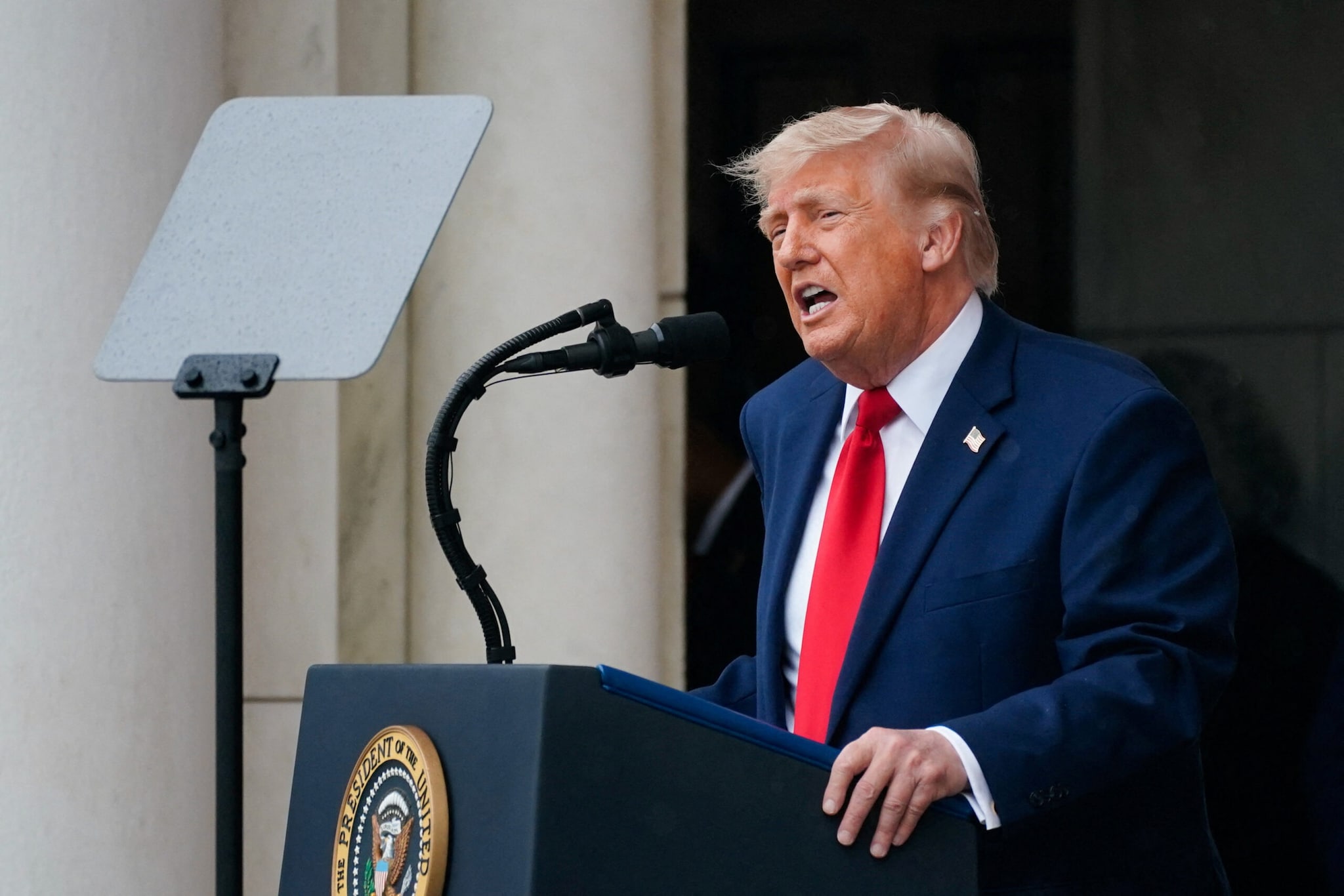
Publicly, the optics look strangely cooperative. Donald Trump recently suggested that he and Iranian Supreme Leader Mojtaba Khamenei were getting along well, even indicating he would be honored to meet the Iranian cleric. From Wisconsin, the president told reporters that the situation with Iran was going quite well and that the nuclear issue would be resolved one way or the other.
The view from inside Tehran is radically different. Observers at The Washington Post have also weighed in on this matter.
Mohsen Rezaei, a powerful military adviser to the supreme leader and former commander of the Islamic Revolutionary Guard Corps, explicitly shattered that optimism. In a rare public intervention, Rezaei stated flatly that negotiations have reached a complete deadlock. The issue is entirely financial. Tehran wants $12 billion unfrozen immediately upon the signing of an interim ceasefire extension, with the remaining $12 billion to follow shortly after.
Iran does not view this as a concession. To the clerical establishment, this is a demand for the return of their own sovereign property, largely comprised of oil revenues trapped in foreign banks across Asia and Europe since the 2018 reimposition of US sanctions.
For Washington, however, writing that check is a political non-starter. Trump built his political brand on criticizing the Obama administration's 2015 nuclear deal, frequently mocking the return of Iranian funds as handing over pallets of cash. Agreeing to unblock billions up front would expose the current administration to intense domestic criticism, effectively stripping the US of its most potent economic weapon before a permanent treaty is even drafted.
The Escalation Corridors
The economic standstill carries immense kinetic risks for global commerce. Tehran is not merely asking nicely; it is drawing explicit red lines across the world's most critical maritime choke points.
Should the diplomatic track fail and economic pressure turn into renewed military conflict, Iran has threatened to expand its theater of operations far beyond the Persian Gulf. Iranian strategists have openly warned of a dark corridor where operations could target American assets stretching from the Strait of Hormuz to the Indian Ocean, the Bab al-Mandab Strait, the Red Sea, and even the Mediterranean Sea.
Furthermore, the regime is attempting to fundamentally rewrite the rules of global shipping. Iran has asserted a joint sovereignty claim with Oman over the Strait of Hormuz, through which a fifth of the world’s oil and liquefied natural gas flows. Tehran intends to impose a ship passage fee under the guise of maritime maintenance costs.
Potential Maritime Friction Zones:
├── Strait of Hormuz (Proposed Iranian "Transit Fees")
├── Bab al-Mandab Strait (Red Sea access point)
├── Southern Indian Ocean (Targeting US logistics lines)
└── Eastern Mediterranean (Proximity to allied infrastructure)
This represents a sophisticated shift in strategy. Instead of relying solely on asymmetric drone and missile strikes, Tehran is attempting to institutionalize its leverage over global energy markets, weaponizing international trade routes to offset its internal economic vulnerabilities.
The Shadow Economy Disruption
While negotiators bicker in luxury hotels, the US Treasury is actively working to dismantle the covert financial networks keeping the Iranian state alive. The reality on the ground in Tehran is one of severe macroeconomic distress. The local currency is struggling, inflation remains rampant, and the state's traditional trade revenues have dried up.
To survive, the regime has built a sprawling shadow banking architecture. A recent sweep by the US Treasury's Office of Foreign Assets Control highlighted exactly how this system operates, exposing a multi-million-dollar operation that smuggled Iranian liquefied petroleum gas to Asian markets by disguising it as Omani fuel.
- Front Companies: Operations based out of the United Arab Emirates and China use shell corporate identities to obscure the origin of the commodities.
- The Shadow Fleet: Stateless or flagged tankers move hundreds of thousands of barrels of fuel through international waters with their transponders turned off.
- Foreign Exchange Brokers: Third-party exchange houses handle foreign currency transactions on behalf of blacklisted Iranian banks like Bank Tejarat and Bank Mellat.
This continuous cat-and-mouse game directly undercuts the diplomatic narrative. Even as the State Department explores diplomatic openings, the Treasury is tightening the financial noose under its ongoing pressure campaigns. This internal policy friction leaves foreign partners confused and makes a comprehensive breakthrough highly unlikely.
Why a Quick Fix is Impossible
The underlying friction preventing a deal is not a lack of communication, but a profound deficit of trust rooted in institutional memory.
Tehran remembers 2018, when a previous Washington administration unilaterally tore up a signed international agreement. Iranian negotiators are fully aware that any concessions they make regarding their nuclear program or regional influence could be instantly neutralized by a change in US political winds. Consequently, they demand hard, irreversible cash upfront as a guarantee.
Washington remembers decades of regional proxy conflict. US intelligence agencies remain deeply skeptical that sanctions relief will fund civilian infrastructure, pointing out historical precedents where unblocked capital was immediately redirected to external security architectures and regional militia networks.
The fundamental paradox remains unresolved. Iran requires financial relief to justify the domestic political cost of negotiating with Washington, while the United States requires verifiable behavioral changes before it can politically afford to grant financial relief. With neither side willing to take the initial leap of faith, the $24 billion frozen in foreign vaults remains less of a bargaining chip and more of an insurmountable wall.