The United States is currently moving more than just hardware into the Middle East. While the Pentagon frames recent troop and asset reinforcements as a defensive measure to "de-escalate" regional tensions, the sheer scale of the buildup suggests a more permanent shift in the American security posture. We are seeing a quiet but massive reversal of the decade-long pivot to Asia, as the reality of a multi-front conflict in West Asia forces the Defense Department to double down on a region it once tried to leave behind.
Washington’s current calculus centers on preventing a localized spark from becoming a regional inferno. To do this, they are deploying a mix of high-end air superiority, missile defense batteries, and carrier strike groups. This isn't just about showing the flag. It is about creating a physical barrier of American firepower that makes any significant escalation by regional actors a suicidal proposition.
The Logistics of Deterrence
When the Pentagon talks about "reinforcements," the public often imagines boots on the ground in a 2003-style invasion. That is a fundamental misunderstanding of modern power projection. Today’s deployment is built on surgical capacity. The arrival of the USS Abraham Lincoln carrier strike group, paired with the USS Georgia, a guided-missile submarine, represents a staggering amount of mobile, submersible strike power.
This isn't a defensive shell. It is a loaded gun.
The strategy relies on Rapid Response Elements. By positioning F-22 Raptor squadrons in undisclosed locations across the CENTCOM area of responsibility, the U.S. is signaling that it can achieve air dominance over any capital in the region within minutes. This capability is designed to negate the drone and missile advantages that non-state actors and their sponsors have spent years developing.
The Missile Defense Gap
Despite the flashy arrivals of aircraft carriers, the real story lies in the THAAD (Terminal High Altitude Area Defense) and Patriot batteries. The Pentagon is currently wrestling with a math problem that no one wants to admit. Interceptors are expensive and finite. A single interceptor for a ballistic missile can cost several million dollars, while the drone it is shooting down might cost less than a used sedan.
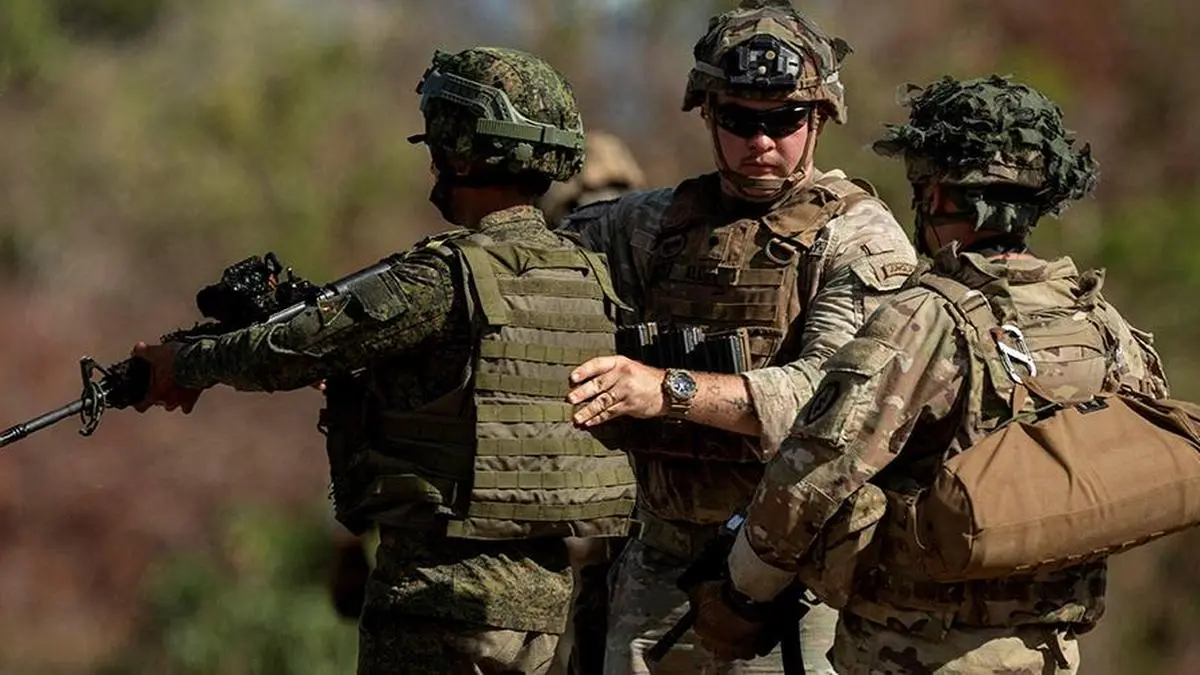
The surge in personnel is largely to man these technical systems. We are seeing a massive influx of specialized technicians and air defense operators. These aren't combat infantry; they are the shield-bearers. If the U.S. cannot maintain a 90% or higher interception rate, the entire deterrent model collapses. This creates a high-pressure environment where a single technical failure could drag the U.S. directly into a kinetic war it claims to be avoiding.
The High Cost of Staying Put
There is a financial and strategic price to this "temporary" surge. Every day a carrier group sits in the Gulf or the Eastern Mediterranean is a day it is missing from the South China Sea. The Pentagon’s long-term planning, specifically the National Defense Strategy, identifies China as the "pacing challenge." However, the volatility in West Asia is acting like a gravitational pull, sucking resources back into a theater that was supposed to be secondary.
Defense contractors are the only clear winners here. The demand for munitions replenishment is skyrocketing. We are seeing a burnout rate on equipment that wasn't projected in the current fiscal budget. If this "escalation management" continues through the next two quarters, the Pentagon will likely have to go to Congress for an emergency supplemental funding bill, further straining a domestic economy already wary of foreign entanglements.
The Invisible Footprint
Beyond the headlines of carriers and jets, there is the intelligence surge. Thousands of contractors and analysts are being diverted to process the literal terabytes of data coming off MQ-9 Reaper drones and signal intelligence platforms. The U.S. isn't just watching the borders; they are mapping the internal logistics of every major militia and state military in the region.
This level of scrutiny is often more provocative than a physical presence. When a rival power knows that every movement of their mobile launchers is being tracked in real-time by a satellite-linked Pentagon desk in Virginia, it creates a "use it or lose it" mentality. This is the paradox of modern deterrence: the better your surveillance, the more you might accidentally force your opponent's hand.
The Regional Power Vacuum
The U.S. reinforcement isn't happening in a vacuum. Local allies, from Jordan to the UAE, are watching with a mix of relief and profound anxiety. They want the protection of the American umbrella, but they fear the lightning that comes with it.
We are seeing a shift in how regional capitals negotiate. They are no longer just asking for weapons sales; they are demanding ironclad security guarantees that the U.S. is increasingly hesitant to give in writing. The Pentagon is essentially trying to be the region’s policeman without signing a contract that requires them to walk the beat forever.
Proxy Calculations
The biggest wild card remains the proxy networks. The Pentagon’s reinforcements are designed to deter states, but they are less effective against decentralized groups. You cannot deter an organization that views martyrdom as a win-condition.
This is why we see the U.S. deploying Special Operations Forces (SOF) alongside the heavy metal. These units are there for "training and advising," which is often a polite way of saying they are coordinating the ground-level intelligence needed to stop small-scale attacks before they trigger a larger U.S. response. It is a delicate, dangerous game of whack-a-mole played with high-explosives.
Technical Superiority vs. Attrition
The hard truth that military analysts are whispering is that the U.S. is built for a "sprint" war, while the current conflict looks like a "marathon" of attrition. Our systems are the best in the world, but they are incredibly difficult to maintain in a desert environment under constant threat.
- Maintenance Cycles: The salt air of the Mediterranean and the sand of the Gulf are brutal on F-35 airframes.
- Personnel Burnout: Deployments are being extended, leading to a retention crisis among the very specialists needed to run high-tech systems.
- Supply Chain Fragility: A single Houthi drone hitting a commercial port can disrupt the flow of parts needed for the very systems meant to stop the drones.
The U.S. is attempting to use asymmetric technology to solve a political problem. History suggests this rarely works. You can have the best radar in the world, but if the political will at home evaporates because of a "forever war" 2.0, the radar becomes a very expensive lawn ornament.
The Shifting Red Lines
For months, the "red lines" in the Middle East have been written in pencil. The Pentagon’s latest move is an attempt to trace them in ink. By moving B-52 bombers—the ultimate symbols of total war—into the region, Washington is trying to communicate that the threshold for U.S. intervention has been lowered.
They want the opposition to believe that the U.S. is "crazy enough" to jump back into a full-scale conflict. It is a classic move from the Cold War playbook: Strategic Ambiguity backed by Overwhelming Force. The problem is that in the 1970s, there were two players. Today, there are dozens, each with their own internal pressures and "red lines."
The Risk of Miscalculation
The greatest danger isn't a planned invasion; it's a mistake. A stray missile hitting a U.S. barracks or a nervous destroyer captain firing on a commercial vessel could trigger a sequence of events that the Pentagon’s current reinforcements aren't designed to stop—they are only designed to win. Winning a war you didn't want to start is still a failure of policy.
As the troop numbers creep up toward the 50,000 mark across the region, the distinction between "reinforcement" and "deployment" disappears. The U.S. is now fully committed to a posture of active containment. This requires a level of diplomatic and military synchronization that hasn't been seen since the height of the Surge in Iraq.
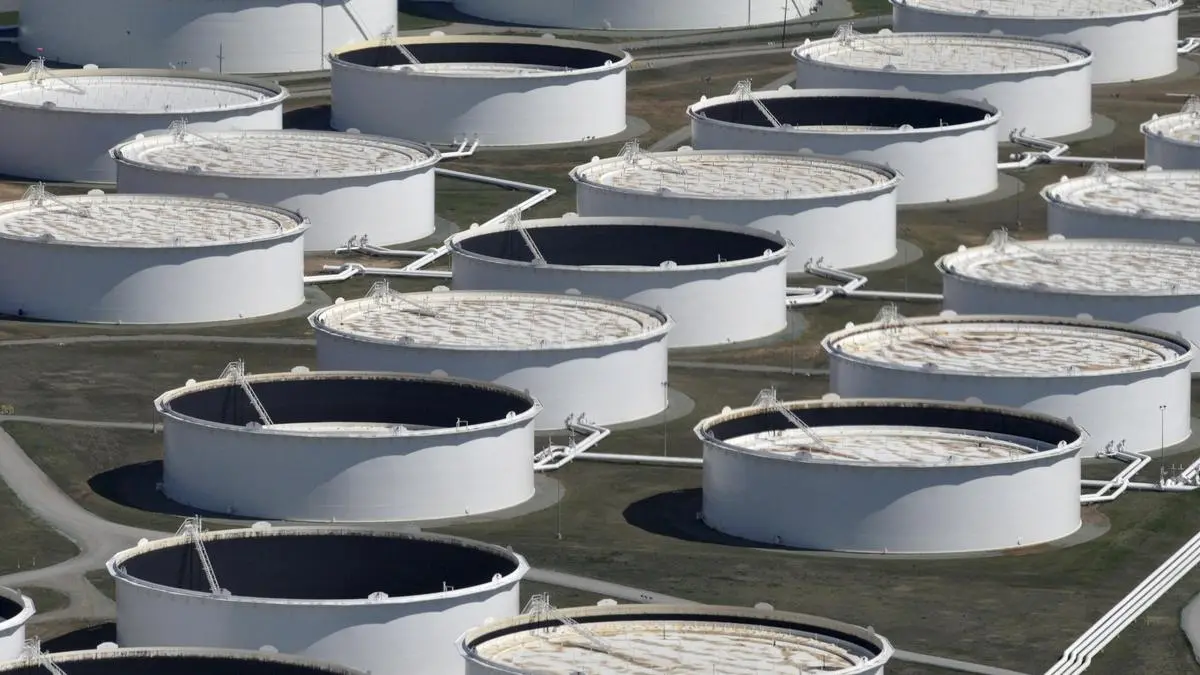
If you want to understand where this is going, stop looking at the press releases and start looking at the fuel tankers. The U.S. is currently positioning massive amounts of JP-8 jet fuel and mobile refueling infrastructure across the region. You don't do that for a week-long show of force. You do that when you are preparing to keep the engines running for a very long winter.
Keep an eye on the Mediterranean flight paths of the C-17 Globemasters. They are the true pulse of this operation, and right now, that pulse is racing.