Mohammed bin Salman and the Desperation Driving Saudi Vision 2030
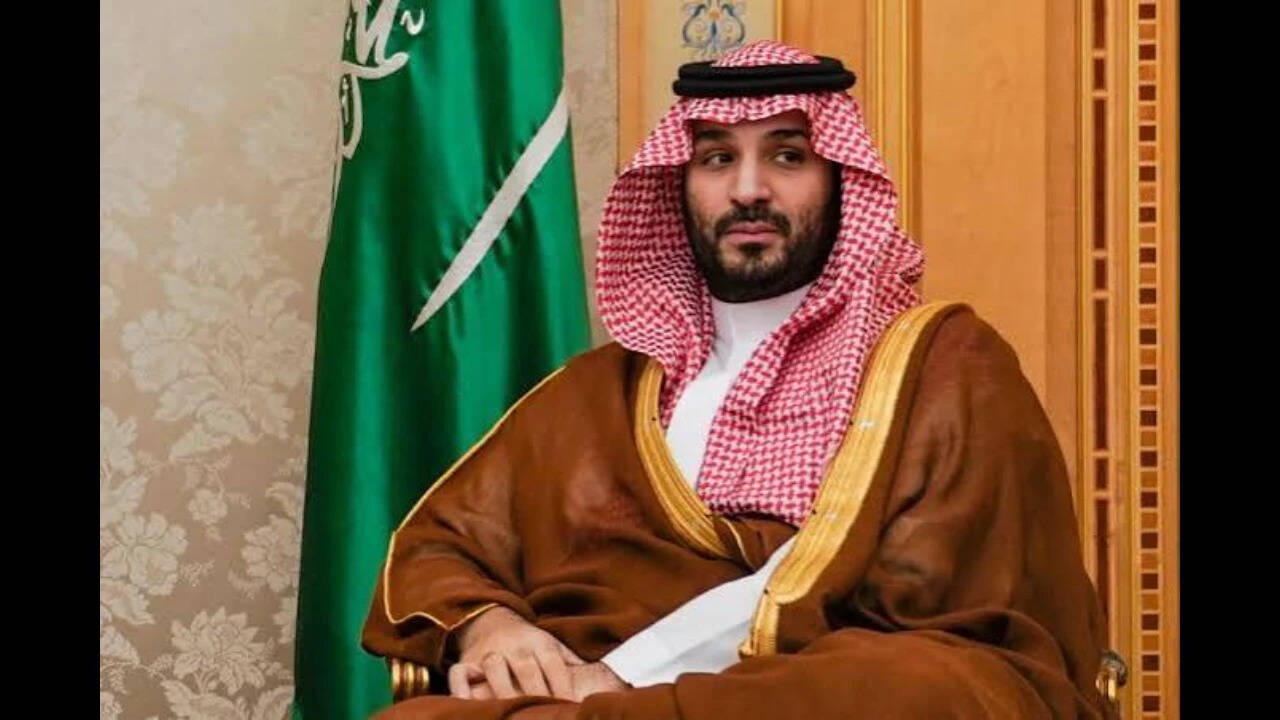
The crown prince knows the clock is ticking on oil wealth, and his public admission of mortality reveals the sheer anxiety powering his economic transformation. When Mohammed bin Salman admitted to journalist Bob Woodward that he fears dying before completing his grand design, the quote made global headlines as a rare glimpse into a notoriously guarded autocrat's psychology. Beneath the dramatic prose lies a hard economic reality. Saudi Arabia faces a strict financial deadline, and the absolute ruler of the kingdom is running against time to re-engineer an entire society before crude revenue dries up permanently.
For decades, the ruling house of Al Saud maintained power through a straightforward social contract: citizens received cradle-to-grave welfare, public sector employment, and subsidized utilities funded entirely by petroleum exports. That formula died the moment global energy markets shifted toward shale production and long-term decarbonization trends. Mohammed bin Salman recognized this vulnerability faster than his peers. His response was Vision 2030, an aggressive national blueprint designed to diversify the economy, build futuristic cities from the sand up, and transform a rentier state into a global investment powerhouse. Also making headlines lately: Ceuta Was Never A Crisis It Was A Controlled Stress Test.
Yet, speed remains the central vulnerability of the entire enterprise. Mega-projects like NEOM and The Line demand capital outflows that regularly outpace incoming foreign direct investment. State oil giant Saudi Aramco continues to shoulder the financial burden, pumping crude to fund domestic ambitions even as global climate pressures mount. The crown prince operates with absolute authority, but even absolute authority cannot bend the laws of global macroeconomics or manufacture a trillion-dollar private sector overnight.
The Architecture of Absolute Urgency
Autocratic efficiency cuts both ways. Without parliamentary debate, entrenched opposition parties, or independent labor unions, the Saudi leadership can decree a brand-new economic sector into existence with a single royal signature. Billions flow instantly into tourism, entertainment, and artificial intelligence initiatives. Cranes dot the coastline of the Red Sea, and Riyadh has transformed into a relentless hub of international finance conferences and diplomatic summits. More insights regarding the matter are detailed by Reuters.
The downside of total centralization is the absolute absence of corrective feedback. When a crown prince stakes his personal legacy on constructing a hundred-mile mirror city in the desert, subordinates are rarely incentivized to deliver bad news about budget overruns, logistical impossibilities, or cooling investor interest. Bureaucrats tell the throne what it wants to hear. This dynamic breeds high-stakes policy swings where timelines are accelerated, targets are doubled, and financial exposure multiplies exponentially.
Consider the scaling back of The Line's initial phase. International media framed the adjustment as a pragmatic course correction, but inside financial circles, it was read as a necessary retreat from physical reality. Concrete, steel, and labor cannot be summoned by executive fiat alone. When sovereign wealth funds must absorb the shortfall, domestic priorities inevitably compete with foreign investments, creating internal friction that rarely makes it past state censors.
Capital Flight and the Foreign Direct Investment Gap
Foreign investors love high yields, but they abhor unpredictable regulatory environments and sudden geopolitical realignments. Despite a charm offensive targeting Wall Street, London, and Silicon Valley, foreign direct investment into Saudi Arabia has consistently fallen short of the ambitious targets set by Riyadh planners. Western capital remains wary of regional instability, human rights controversies, and the lingering shadow of unpredictable state interventions.
To compensate, the kingdom relies heavily on the Public Investment Fund, shifting its sovereign balance sheet into high-risk global equities, sports acquisitions, and domestic giga-projects simultaneously. This dual pressure creates a severe liquidity squeeze. When oil prices fluctuate downward, the fund must choose between funding domestic infrastructure or maintaining international asset portfolios.
The crown prince understands this math. His public lamentation about dying before finishing his vision is not merely poetry; it is an accurate assessment of sovereign risk. If crude prices drop below the fiscal break-even point for an extended stretch, the modernization project stalls. A stalled mega-project in an authoritarian monarchy does not simply result in delayed corporate earnings; it threatens the stability of the regime itself.
The Human Element Behind the Megastructures
Beneath the gloss of international PR campaigns and high-tech promotional videos, the domestic transition inflicts profound social strain. The Saudi population is overwhelmingly young, digital-native, and accustomed to state support. Pushing this demographic out of secure government sinecures and into a competitive, private-sector labor market requires dismantling generations of cultural expectations.
Nationalization policies force private companies to hire local workers, yet the structural gap in technical skills remains vast. Expatriates still run the critical operations while young citizens navigate an unfamiliar corporate culture. At the same time, traditionalists watch the rapid introduction of Western-style entertainment, music festivals, and mixed-gender spaces with quiet alarm. The regime walks a razor-thin line, opening society just enough to attract global talent and investment while crushing any hint of organized political dissent.
Mohammed bin Salman has effectively consolidated power by neutralizing potential rivals within the royal family and silencing clerical hardliners. By doing so, he has eliminated internal checks and balances. If his economic bets pay off, Saudi Arabia emerges as the undisputed technological and financial titan of the Middle East. If the strategy misfires, there is no one left to blame except the man at the top.
The ambition is historic in scale. The margin for error is effectively zero. Every barrel of oil pumped today buys time for a future that may never arrive on schedule, leaving the most powerful man in the kingdom to race against a calendar he cannot control.