Republicans are losing their grip on Iowa, a state that recently transitioned from a reliable swing territory to a solid conservative fortress. The 2026 midterms are shaping up to be a brutal correction for the GOP as a combination of high-profile retirements, collapsing approval ratings for the federal administration, and a brewing agricultural crisis creates a perfect storm. For years, the Hawkeye State was the crown jewel of the realignment that saw rural voters abandon the Democratic Party. Now, that same electorate is showing signs of buyer's remorse that could cost the GOP its supermajorities and its lock on the congressional delegation.
The data reveals a stark shift. While Republican voter registration still leads Democrats by nearly 200,000 active voters, the enthusiasm that drove double-digit victories in 2022 and 2024 has evaporated. Recent polling indicates that non-MAGA Republicans and independents—the groups that provide the margin of victory in competitive districts—are jumping ship. In a state where 27% of voters now say the country is on the right track, the status quo has become a political liability.
The Power Vacuum
The most immediate threat to Republican dominance is the sudden absence of the state’s political titans. Governor Kim Reynolds, who cruised to a 19-point victory in 2022, has declined to seek a third term. Her departure leaves a massive hole at the top of the ticket. Reynolds served as the connective tissue between the populist base and the corporate donor class. Without her, the primary to succeed her has devolved into a messy ideological brawl between U.S. Representative Randy Feenstra and more hard-right challengers like Eddie Andrews.
This vacuum extends to the U.S. Senate. Joni Ernst, a formidable fundraiser and campaigner who won her last race by 6 points, is also stepping away. This has instantly moved the seat from "Safe Republican" to a "Toss-up" in the eyes of national analysts. The GOP frontrunner to replace her, Ashley Hinson, must now vacate her seat in the 2nd Congressional District, creating yet another opening for Democrats to exploit.
Economic Stress on the Farm
Politics in Iowa always returns to the soil. For the last two years, the agricultural sector has been battered by a combination of falling crop prices and skyrocketing input costs. While the federal administration focuses on culture war issues, the average Iowa farmer is looking at a balance sheet that doesn't add up.
The "affordability crisis" is not a campaign slogan here; it is a daily reality. Approval for the administration’s handling of inflation sits at a dismal 30%. In rural counties where margins used to be 70-30 for Republicans, even a 5% swing toward the center could be catastrophic for down-ballot candidates. Democrats are banking on Rob Sand, the current State Auditor and the only Democrat to win statewide in the previous cycle, to bridge this gap. Sand’s "fiscal watchdog" persona resonates in the very places where traditional liberalism fails.
The Congressional Battlefield
Iowa’s four congressional districts are no longer the safe havens they were two years ago. The 1st and 3rd Districts are currently categorized as high-priority flip targets for the Democratic Congressional Campaign Committee (DCCC).
| District | Incumbent | 2024 Margin | 2026 Outlook |
|---|---|---|---|
| 1st District | Mariannette Miller-Meeks | +6.7% | Leans Democrat |
| 2nd District | Open (Hinson retiring) | +10.2% | Toss-up |
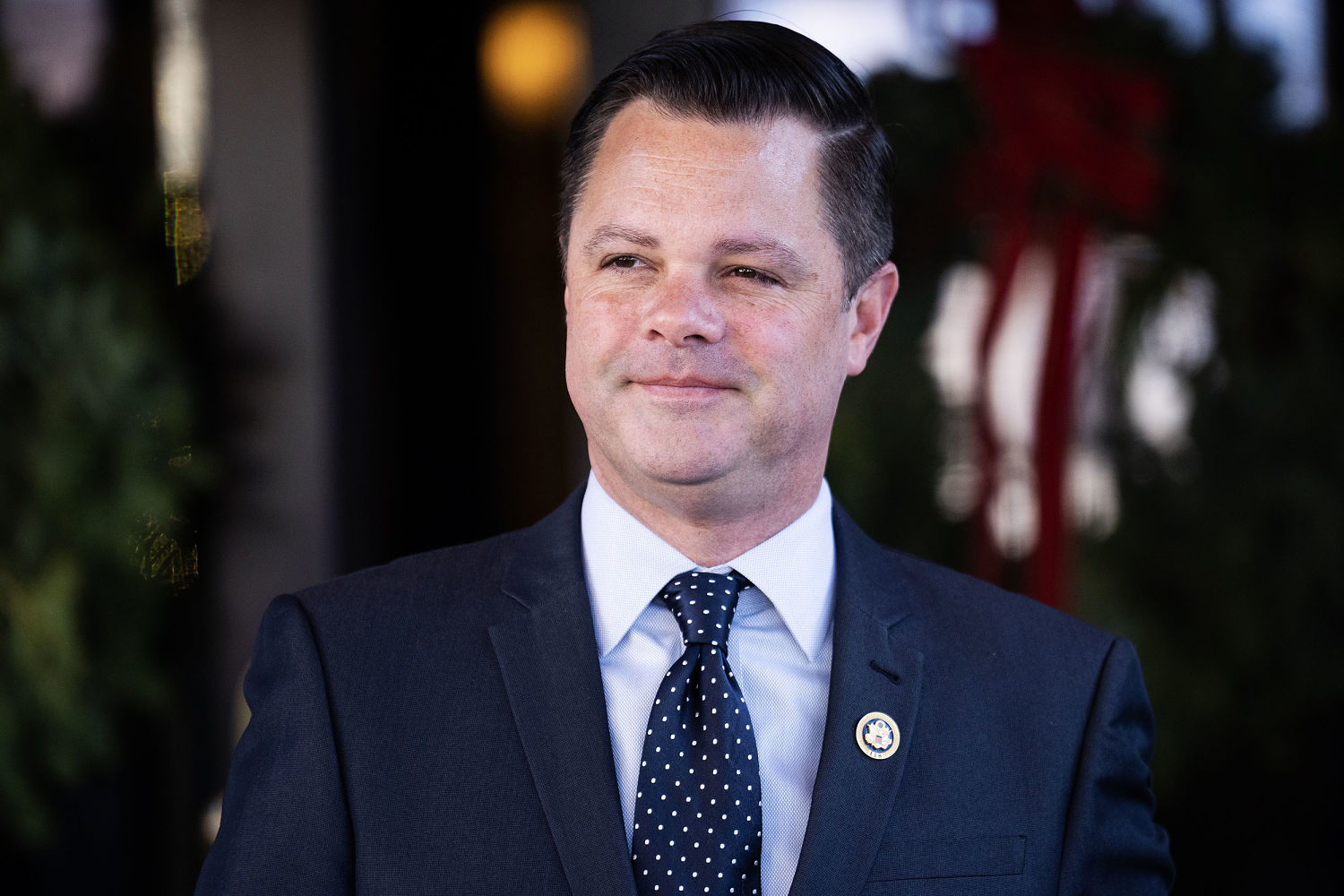
| 3rd District | Zach Nunn | +4.1% | Leans Democrat |
| 4th District | Randy Feenstra | +30.4% | Safe Republican |
The 3rd District, which includes Des Moines, is the epicenter of the shift. Suburban women, a demographic that the GOP has struggled to retain, are moving away from the party over healthcare costs and reproductive rights. Unlike the national narrative, which focuses on broad ideological shifts, the Iowa race is being fought over the price of insulin and the closure of rural hospitals.
The Iran Shadow
External factors are weighing heavily on the local mood. The ongoing conflict with Iran has soured the appetite for interventionist foreign policy among the "America First" base. Polls show that 74% of Iowa voters oppose sending ground troops into the conflict. As the federal government allocates billions to overseas engagements, the contrast with decaying infrastructure in small-town Iowa becomes harder for local Republican candidates to defend.
Discontent is not limited to the left. Young adults in Iowa, who moved toward the GOP in 2024, are showing a generic ballot edge of 16 points for Democrats in the latest April 2026 data. This generational swing suggests that the Republican brand is failing to provide a credible vision for the future, relying instead on a nostalgia that doesn't pay the rent.
The Ground Game Flip
For a decade, the Iowa GOP ran a superior field operation. They out-registered, out-hustled, and out-voted a demoralized Democratic Party. But the machinery is showing signs of rust. National donors, sensing blood in the water in states like North Carolina and Ohio, are beginning to divert funds away from Iowa, assuming the "red wall" will hold on its own. It is a dangerous assumption.
Democrats have consolidated behind Zach Wahls and Josh Turek for the Senate and gubernatorial seats, respectively. This rare display of party unity is allowing them to start their general election messaging months ahead of schedule. They aren't talking about socialism; they are talking about the $200 million in state budget surpluses that they argue should have been used to lower property taxes instead of funding private school vouchers.
The Republican strategy of doubling down on the MAGA base is hitting a ceiling. While that base remains loyal, it is not large enough to win statewide races without the support of the "no party" voters who make up 31% of the electorate. These independents are currently breaking for Democratic candidates by a nearly 12-point margin.
The era of Iowa as a Republican laboratory is ending. If the GOP cannot find a way to address the economic anxieties of the rural middle class while simultaneously offering a reason for suburbanites to stay, the 2026 midterms won't just be a setback. They will be a demolition. The cracks are visible, the foundation is shifting, and the window to shore up the wall is closing fast.