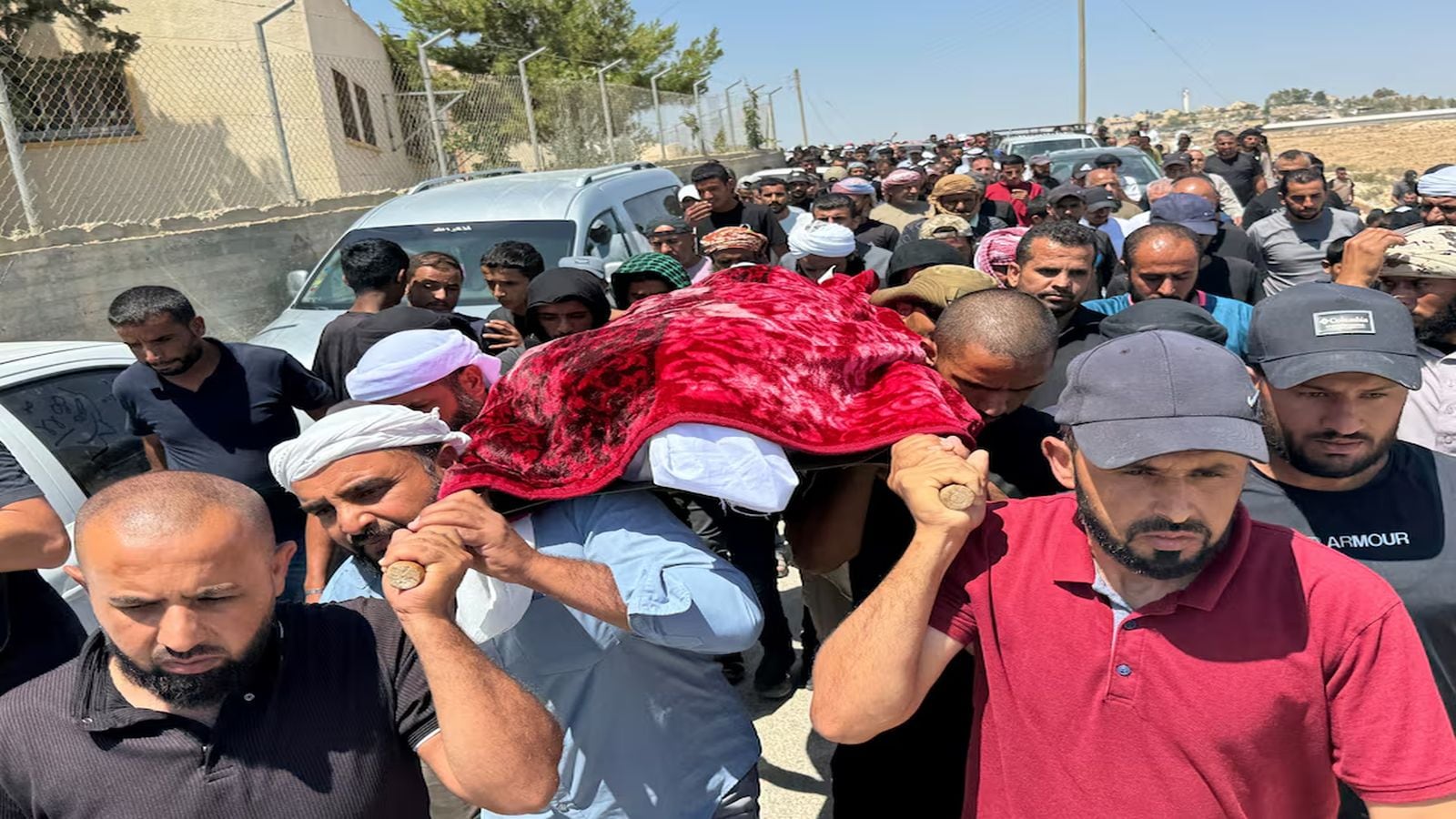
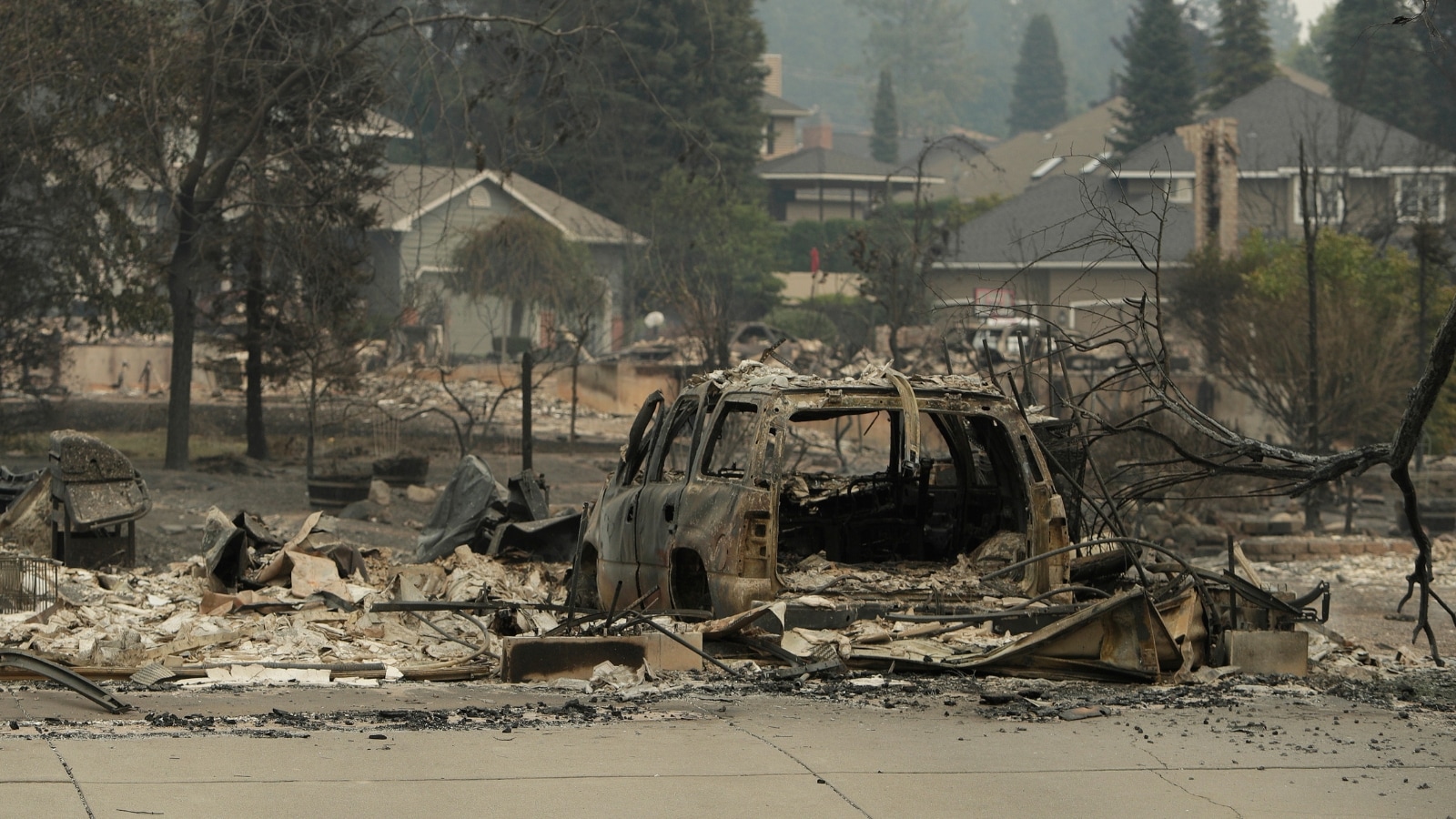
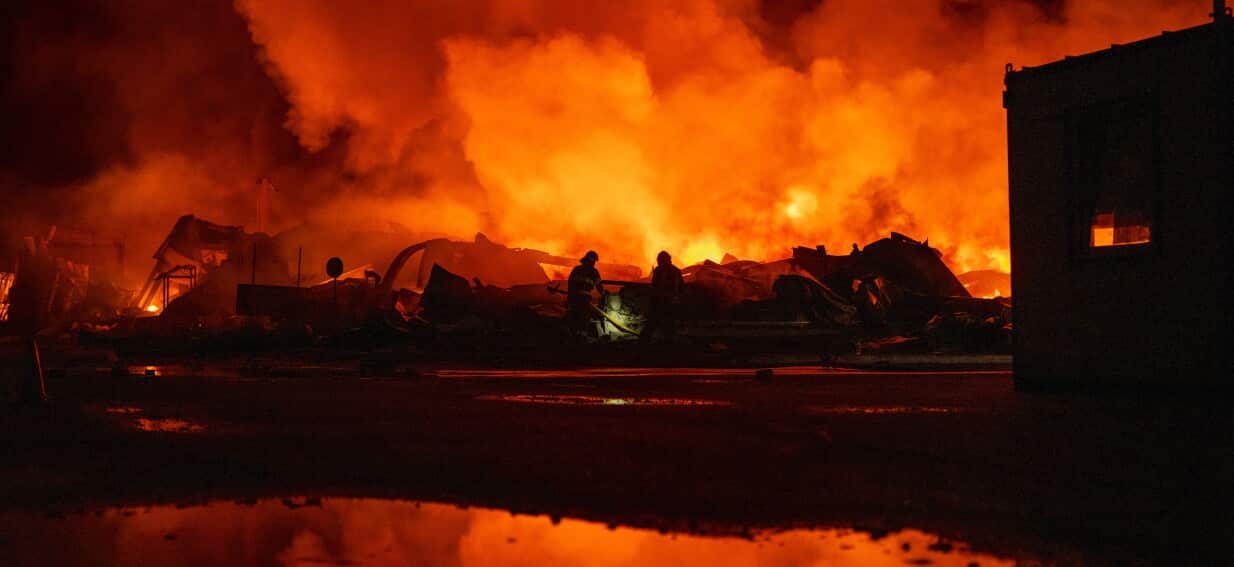
The concrete walls do not stop the sound of stone hitting metal. For families trapped in isolated pockets of the occupied West Bank, the architecture of encirclement is designed to break human endurance long before it breaks structural integrity.
NBC News recently highlighted the plight of a Palestinian resident in the West Bank whose home has been physically surrounded by Israeli settlers, transforming a domestic residence into an isolated compound under siege. But looking at a single house misses the systemic strategy at play. This is not random neighborhood friction. It is a calculated geography of containment, built through administrative zoning, military decree, and unyielding ideological expansion.
Understanding how a residential family home becomes an enclave surrounded by hostile outposts requires examining the mechanics of territorial fragmentation. Decades of shifting legal definitions, security pretexts, and unchecked settlement growth have turned the West Bank into a patchwork of isolated islands.
The Anatomy of an Enclave
Geography is destiny in the West Bank. When outposts are established on hilltops overlooking Palestinian villages, they rarely remain static tents. They grow. They pave access roads that bypass local populations. They construct security perimeters that swallow natural water sources, agricultural land, and historical transit routes.
A house surrounded by settlers is the micro-level manifestation of a macro-level strategy. The process typically begins with legal maneuvering. Land ownership records dating back to the Ottoman and British mandate periods are contested, frozen, or reclassified as state land. Once administrative control shifts, physical control follows.
Barbed wire appears first. Then earth mounds block the driveway. Military checkpoints materialize overnight under the banner of settler security.
"Protection for one side inevitably means the systematic restriction of the other, creating zones where ordinary life becomes logistically impossible."
The psychological toll matches the physical containment. Residents find themselves cut off from extended family, emergency services, and basic commerce. Ambulances are delayed at makeshift gates. Children walking to school must navigate hostile groups shouting threats or throwing debris. The home ceases to be a sanctuary. It transforms into a permanent theater of confrontation.
The Bureaucracy of Isolation
Bureaucracy is often more effective than bullets at displacing communities. The Israeli civil administration system in the West Bank operates on a dual legal track. Israeli settlers living in outposts are governed by Israeli civil law and protected by the military. Palestinians living adjacent to them remain under military law, facing strict building restrictions, permit denials, and routine demolitions.
When a Palestinian family attempts to reinforce their home against settler attacks—adding a security gate, reinforcing a window with iron bars, or building a retaining wall—they face immediate demolition orders for unauthorized construction. Conversely, adjacent settlement structures expand upward and outward with impunity, retroactively legalized by government committees designed to regularize unauthorized construction.
This legal asymmetry creates an impossible bind. Stay and face a slow-motion eviction driven by constant harassment, or leave and surrender generational land to the expanding frontier.
Security Pretexts and Realities
The justification given by authorities for military restrictions around isolated Palestinian homes is invariably security. Officials argue that separation is necessary to prevent friction between ideologically opposed populations living in close proximity.
Yet, investigative tracking of incidents reveals a stark imbalance in enforcement. When friction occurs, the response structure heavily favors the settlers initiating the pressure. Settler violence and intimidation are frequently treated as civil disputes or low-priority policing matters, while Palestinian defensive reactions face immediate military intervention, arrest, or detention.
Security policy has thus become an engine for demographic engineering. By creating unlivable conditions around isolated homes, the system achieves displacement without requiring a mass forced transfer. It relies instead on voluntary exhaustion.
The Economic Chokehold
Containment is also an economic weapon. Families surrounded by settlements often find their agricultural livelihoods systematically dismantled. Olive groves, the economic backbone of many rural West Bank communities, become inaccessible during harvest season without military coordination that rarely arrives on time or in force.
Trees are routinely vandalized, burned, or uprooted. Livestock is harassed. When a family cannot access their land, their economic independence collapses. Financial dependence on external aid or low-wage labor inside Israel follows, further eroding community resilience.
The financial cost of defending a property under siege is staggering. Legal fees to fight land confiscations and demolition orders drain family savings. Repairs for smashed windows, damaged vehicles, and breached perimeters add up year after year.
The Broader Geopolitical Horizon
Zooming out from a single besieged home reveals the ultimate trajectory of this policy. The patchwork of enclaves makes a contiguous, viable Palestinian state an impossibility on paper and on the ground.
International law views all settlements in the West Bank as illegal under the Fourth Geneva Convention, which prohibits an occupying power from transferring its civilian population into occupied territory. Despite decades of diplomatic condemnation, resolutions, and rhetorical opposition from international allies, the facts on the ground have outpaced diplomacy.
The infrastructure of occupation is now deeply entrenched. Highways, water grids, electrical networks, and security walls bind the settlements permanently to the Israeli mainland, while slicing Palestinian population centers into disconnected cantons.
A house surrounded by settlers is not an anomaly. It is the canary in the coal mine for a population being squeezed out of its own geography, one driveway, one fence, and one denied permit at a time. The noise of stones hitting metal outside a West Bank window is the sound of an entire landscape being forcibly redrawn, leaving the inhabitants to choose between enduring an impossible siege or walking away from everything they own.