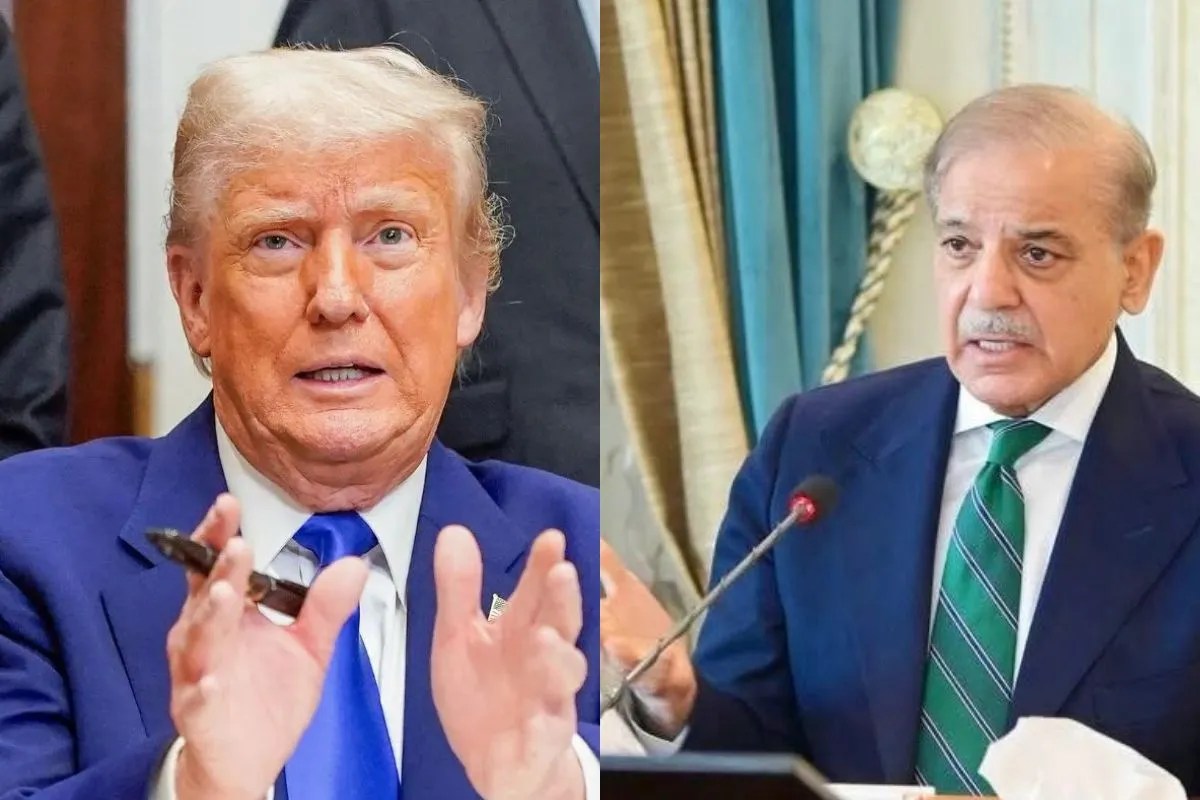
The ink on the Mecca Joint Defense Agreement had barely dried when Washington offered its blessing. US President Donald Trump took to social media to label the trilateral military pact between Saudi Arabia, Turkey, and Pakistan as a bold stride toward regional self-reliance. In Islamabad, Prime Minister Shehbaz Sharif responded with effusive praise, thanking the White House and publicly crediting American diplomacy with averting catastrophe during past South Asian standoffs. Beneath the diplomatic pleasantries, however, lies a raw scramble for survival.
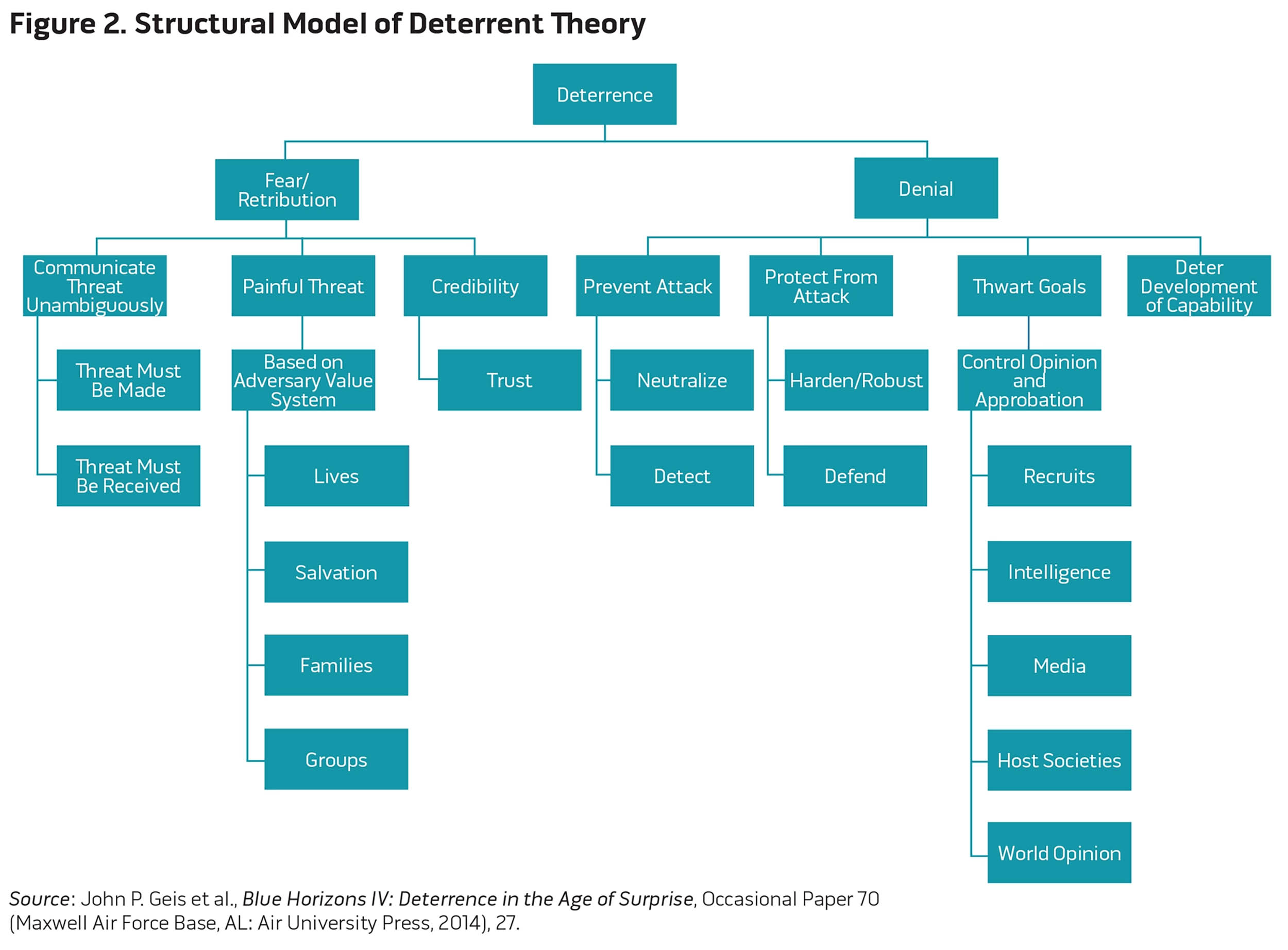
The agreement, inked in Islam's holiest city, dictates that an armed assault on any single signatory will be treated as a declaration of war against all three. This brings together the economic might of Riyadh, the military-industrial depth of Turkey's NATO-backed forces, and the strategic weight of Pakistan's nuclear arsenal. For decades, the security architecture of the Gulf relied entirely on the American military umbrella. Today, that umbrella is folding. Also making news in related news: The Architecture of Deterrence: Quantifying the Strategic Constraints on Iran's Nuclear Program.
Washington wants out of endless regional quagmires. The White House has made it abundantly clear that foreign allies must shoulder their own defense burdens. For Saudi Arabia, watching regional infrastructure absorb strikes amid ongoing conflicts with Iran exposed the chilling reality of a distracted superpower. The Mecca Pact is not an ideological crusade. It is an insurance policy against an increasingly fickle United States.
Pakistan finds itself cast in a complex role within this new trilateral axis. Plagued by a persistent domestic economic crisis and internal political friction, Islamabad views the pact as a dual-purpose instrument. On one hand, deploying thousands of troops and air defense assets to the Gulf secures vital financial lifelines and foreign investment from Riyadh. On the other hand, it elevates Pakistan's diplomatic standing on the global stage. Additional information on this are detailed by The Washington Post.
Yet this maneuvering carries steep operational costs. Prime Minister Sharif's public nod to Trump highlights a historical reality. Pakistan's foreign policy has long oscillated around transactional relationships with Western powers. By binding its security commitments closer to Riyadh and Ankara, Islamabad assumes new liabilities in West Asian theaters without fixing its internal structural decay. If a regional flashpoint ignites, the distance between maintaining a defensive posture and active belligerence shrinks rapidly.
Neighboring capitals are watching the realignment with sharp anxiety. In New Delhi, foreign ministry officials confirmed they are actively assessing the strategic implications of the Mecca Pact on national security. A formal defense convergence linking Saudi territory and Turkish military logistics with Pakistan's nuclear capabilities introduces a volatile variable to South Asian stability. The notion that external diplomatic intervention can reliably contain localized nuclear flashpoints remains an optimistic gamble rather than a strategic guarantee.
The architecture of the Middle East is being violently redrawn a century after colonial powers carved the region with rulers and pencils. The old security formulas are dead. Trump may praise the arrangement as a triumph of local autonomy, but autonomy achieved through mutual defense pacts among fragile states often breeds escalation rather than deterrence. As the region steps away from American protection, it walks straight into an unpredictable era of self-policing power blocs.