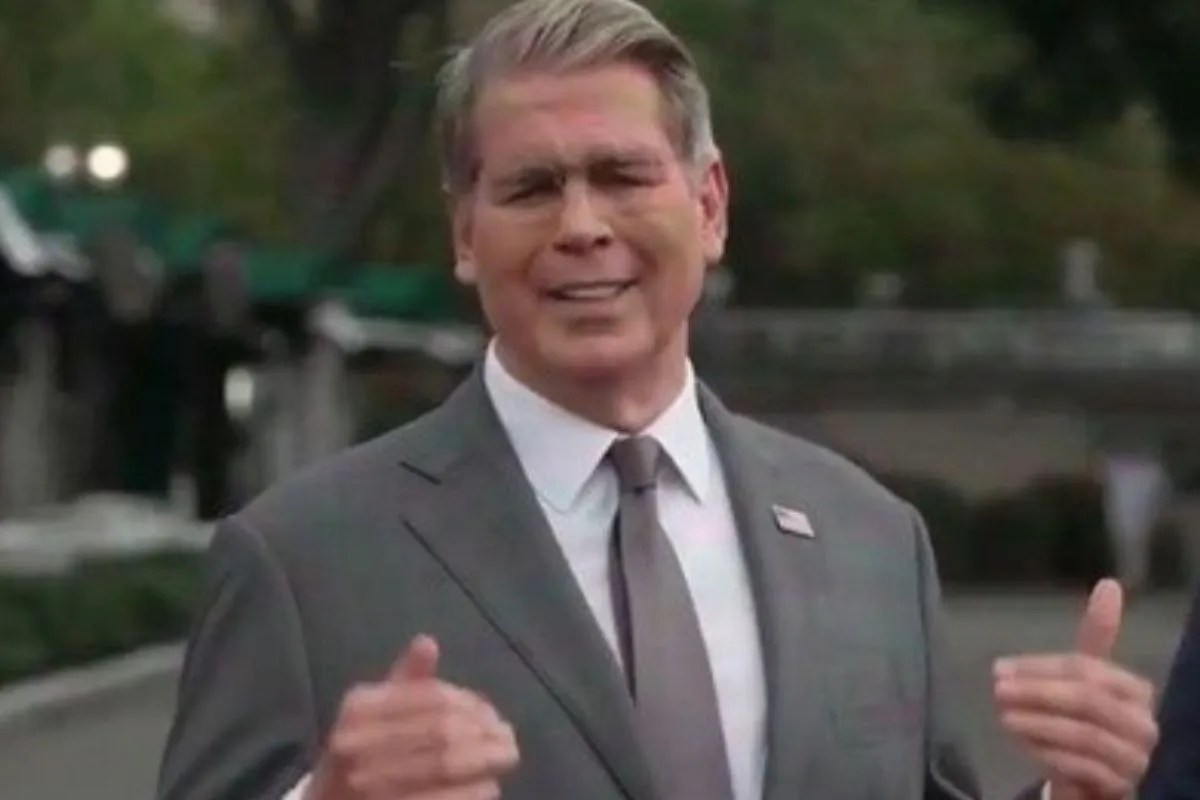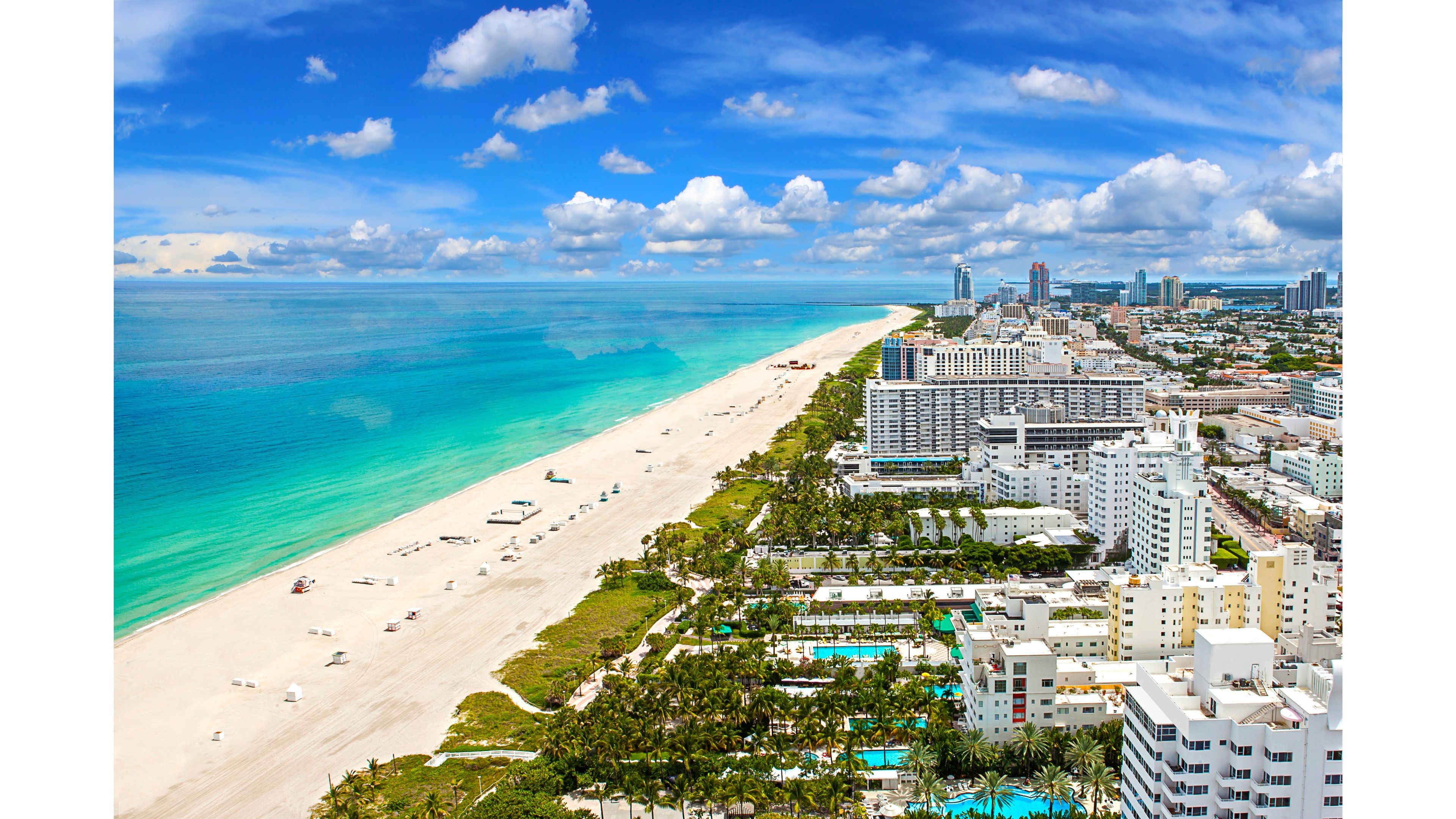
The press corps is currently salivating over the arrival of Ukraine’s top peace negotiator in Miami. They are painting a picture of palm trees, high-stakes diplomacy, and a breakthrough on the horizon. They see a tropical backdrop for a historic handshake. They are dead wrong.
When a diplomat swaps a bunker for a beach resort, you aren't watching the birth of a peace treaty. You are watching the solidification of a frozen conflict. Diplomacy in vacation hubs isn't about ending wars; it is about managing the optics of a stalemate while the defense industry refreshes its order books. If you want to understand the grim reality of why this "negotiation" is actually a sign of long-term stagnation, you have to look past the sunny b-roll and into the cold mechanics of geopolitical inertia.
The Luxury Resort Fallacy
There is a persistent myth that neutral, comfortable ground facilitates breakthroughs. History suggests the opposite. Real, transformative peace deals—the kind that actually stop the bleeding—are usually signed in drab rooms under the crushing weight of imminent collapse or total victory.
Think of the Dayton Accords. They didn't happen because everyone loved the vibe in Ohio. They happened because the participants were essentially locked in a room at Wright-Patterson Air Force Base until they stopped trying to kill each other. Contrast that with the endless "peace summits" held in Geneva, Doha, or now Miami. These locations are chosen because they are comfortable. Comfort is the enemy of urgency.
When negotiators arrive in a city known for its nightlife and real estate laundering, the subtext is clear: the situation isn't desperate enough to require a spartan environment. It’s a junket. I’ve watched multi-national corporations pull this same stunt during hostile takeovers. They move the "war room" to a coastal retreat to signal stability to shareholders, while the actual terms of the deal gather dust.
The Miami Laundromat
Why Miami? To the uninitiated, it’s just a hub for the Americas. To anyone who has tracked the flow of Eastern European capital over the last decade, Miami is the vault.
Florida’s real estate market has long been the preferred parking spot for capital fleeing instability in the post-Soviet space. By holding talks here, the organizers aren't just picking a sunny spot; they are positioning the dialogue within the very ecosystem of the wealth they are trying to protect.
The "lazy consensus" says this is about saving lives. The nuance is that it’s about saving assets. You don't negotiate a ceasefire in the same zip code as your offshore bank account by accident. The proximity to the money matters more than the proximity to the policy.
The Myth of the "Top Negotiator"
The media loves the "hero diplomat" narrative. They want a protagonist. But in modern asymmetric warfare, the "Top Negotiator" is often the person with the least power to actually change the tide.
True power in this conflict resides with two groups: the drone manufacturers and the energy spot-market traders. The negotiator is a frontman for a band that hasn't written a new song in two years. Their job is to maintain the "peace process"—a term that is effectively a euphemism for "we don't have a solution, but we need the aid packages to keep flowing."
I’ve sat in boardrooms where "negotiators" were sent in specifically to stall for time while the engineering team fixed a broken product. That is exactly what is happening on the global stage. These talks are a tactical delay. Every day spent debating "frameworks" in Miami is another day for military-industrial complexes to ramp up production lines that are currently booked through 2028.
Why a "Breakthrough" is the Last Thing Anyone Wants
Here is the truth nobody admits: a definitive peace deal right now would be a financial disaster for the current geopolitical stakeholders.
- The Defense Backlog: Western defense contractors have "leveraged" (to use their favorite term of deception) this conflict to modernize their entire tech stack. A sudden peace would lead to contract cancellations and a plummeting stock price.
- Energy Re-routing: The entire infrastructure of European energy has been replumbed. This wasn't a temporary fix; it was a multi-billion dollar pivot to US LNG and Middle Eastern supply. Stability in the East threatens the new margins of the West.
- Political Signaling: For the host nation, these talks are a cheap way to project "leadership" without committing more than a few Secret Service details and a hotel ballroom.
If you think these parties are motivated to find a fast exit, you don't understand how institutional momentum works. They aren't looking for a "win-win." They are looking for a "stay-the-same."
The "People Also Ask" Deception
If you search for "Ukraine peace talks," you get sanitized questions.
- Is peace possible in 2026? The honest answer: Not as long as the conflict is more profitable than the resolution.
- What are the terms of the Miami talks? The terms don't matter because the enforcement mechanisms don't exist.
The premise of these questions is flawed. They assume that "peace" is a binary switch. In reality, modern war is a spectrum. We are moving from "Active Kinetic War" to "Permanently Subsidized Border Friction." The Miami talks are the ribbon-cutting ceremony for this new, permanent state of affairs.
The High Cost of the "Middle Ground"
The contrarian take isn't that peace is impossible; it’s that this specific flavor of diplomacy is an active obstacle to it.
By creating a theater of negotiation, we remove the pressure for a decisive outcome. It allows both sides to tell their domestic audiences that they are "exploring all options" while they continue to funnel a generation into a meat grinder. It’s the "holistic" approach to failure.
I’ve seen this play out in corporate restructuring. A company is bleeding cash. Instead of making the hard cuts or the pivot that actually works, the board hires a consultant to "facilitate a dialogue" between departments. The dialogue lasts six months. The consultants get paid. The departments feel heard. The company goes bankrupt anyway.
Miami is the consultant. The negotiators are the middle management. The "peace process" is the slide deck that hides the insolvency.
Stop Looking at the Table, Look at the Port
If you want to know if these talks are real, don't look at the joint communique issued at the end of the week. Look at the shipping manifests in the Port of Miami and the flight paths of private jets heading to Delaware and the Cayman Islands.
Real peace doesn't need a press release. It needs a shift in the incentive structure. Right now, every incentive points toward a "Long War."
The negotiators are in Miami to enjoy the weather and the optics. They are there to signal to the markets that the chaos is being "managed." They aren't there to stop the war; they are there to make sure the war stays on its designated tracks.
The tragedy isn't that the talks might fail. The tragedy is that they are designed to "succeed" without changing a single thing on the ground.
Accept the reality: the palm trees are a distraction. The "breakthrough" is a mirage. The war isn't ending in a ballroom. It's just getting its second wind.
Stop waiting for a miracle in the Sunshine State. The only thing being settled in Miami is the bill for the suite.