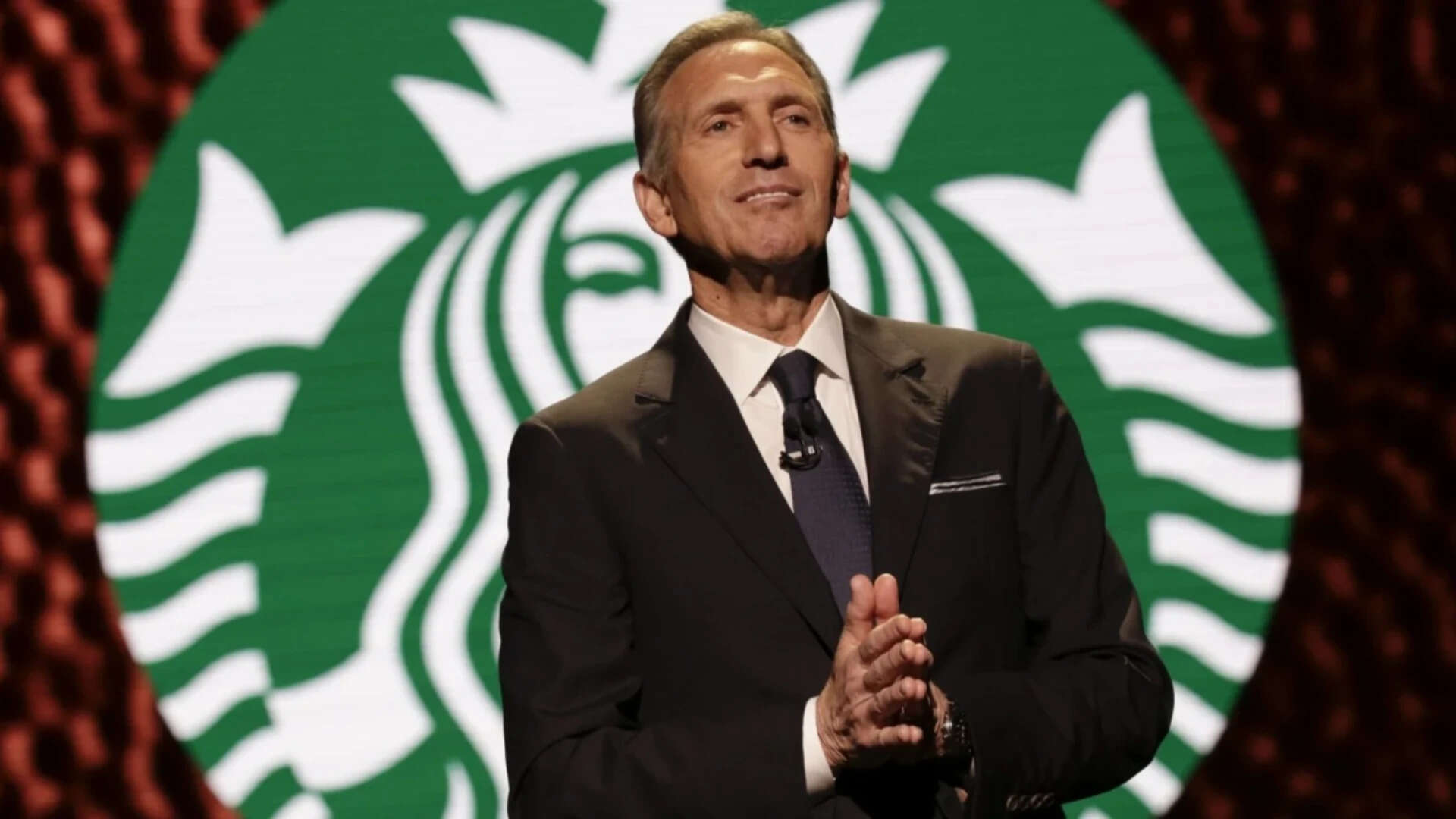
Howard Schultz isn't just a coffee guy. He's the man who turned a single Pike Place Market bean shop into a $100 billion global empire. But after 44 years of calling Seattle home, the billionaire former Starbucks CEO is packing his bags for Miami. He isn't just looking for better weather or a shorter flight to see his grandkids. He's joining a growing list of ultra-wealthy residents fleeing Washington state as lawmakers aggressively pivot toward taxing the rich.
The timing is impossible to ignore. On March 10, 2026, the Washington House passed a 9.9% tax on annual income exceeding $1 million. That same day, Schultz announced his move to Florida on LinkedIn. While he framed it as a "retirement adventure," the math tells a much louder story. In Florida, that 9.9% bite doesn't exist. For someone with a net worth estimated around $3.9 billion, "retirement" in a tax-free state looks a lot like a massive financial defensive play.
The Seismic Shift in Washington Tax Policy
Washington has long been a haven for billionaires because it lacked a personal income tax. It was one of the few states where you could build a massive fortune without the local government taking a slice of your paycheck every month. That era is officially ending. The new legislation, Senate Bill 6346, targets the top 0.5% of the population to plug a $2 billion budget gap and fund social programs.
The details of the bill are sharp. It applies a 9.9% tax to taxable personal annual income over the $1 million threshold. This isn't just about wages. It's about the kind of high-level earnings that executives and founders live on. This follows the state's 7% capital gains tax on the sale of stocks and bonds, which was already a point of contention for the tech and business community in the Pacific Northwest.
Supporters of the "millionaire tax" argue it makes the tax code less regressive. They say the wealthy should pay their fair share to support education and childcare. But critics, including the Association of Washington Business, call it a "seismic shift" that destroys the state’s primary competitive advantage. When you take away the 0% income tax, you take away the reason many founders stayed in Seattle instead of moving to the Bay Area or New York.
Following the Bezos Blueprint to Florida
Schultz isn't the first titan to make this move. He’s following a trail blazed by Jeff Bezos, who famously left Seattle for Miami in late 2023. When Bezos moved, analysts estimated he would save over $600 million just by avoiding Washington’s capital gains tax on his Amazon stock sales. Schultz is looking at similar upside.
Florida is the ultimate destination for "tax flight" for several reasons beyond just the lack of income tax.
- No Capital Gains Tax: Unlike Washington, Florida doesn't tax your investment profits.
- No Estate or Inheritance Tax: You can pass your wealth to your heirs without the state taking a cut.
- Homestead Exemption: Florida offers unique protections for your primary residence that are incredibly attractive to high-net-worth individuals.
Schultz recently closed on a $44 million penthouse at the Surf Club, Four Seasons Private Residences in Surfside. It's a 5,500-square-foot oceanfront property that screams "permanent residence." Moving your family office—the firm that manages your personal wealth—to Miami is the final piece of the puzzle. You don't move your family office unless you're serious about changing your legal domicile.
What This Means for Seattle's Future
Schultz was careful to say his foundation, the Schultz Family Foundation, will stay in Seattle. He even expressed "hope" that Washington remains a place where entrepreneurship can thrive. But hope doesn't pay the bills. If the most successful entrepreneurs in the state’s history are leaving, it sends a chilling message to the next generation of founders.
The exodus isn't limited to coffee and retail. Tech leaders have been vocal about how these taxes could sour the environment for startups. In California, a proposed 5% wealth tax on billionaires has already triggered moves by people like Sergey Brin and Peter Thiel. Washington is now entering that same danger zone.
Lawmakers believe the revenue from this 9.9% tax—estimated at over $3.5 billion annually by 2029—will solve the state's budget woes. However, that only works if the millionaires actually stay to pay it. If the "tax flight" continues, the state might find itself with a new tax law but nobody left to tax.
Protecting Your Wealth in a Changing Climate
If you're an investor or an executive, the Schultz move is a case study in residency planning. It isn't as simple as buying a house in Miami and claiming you live there. To satisfy tax authorities in high-tax states, you usually need to prove you spend more than 183 days a year in your new home. You have to move your "center of gravity"—your voter registration, your primary doctor, and, as Schultz did, your family office.
The trend is clear. High-tax states are getting more aggressive, and high-net-worth individuals are getting more mobile. Whether you agree with the tax or not, the economic reality is that capital goes where it’s treated best. For Howard Schultz, that’s no longer the rainy streets of Seattle where he built his fortune. It’s the sunshine of South Florida.
If you're considering a similar move, start by auditing your "statutory residency" status. Track your days in each state meticulously using GPS-based apps. Shift your legal documents to your new jurisdiction immediately. Most importantly, consult a tax attorney who specializes in multi-state residency audits, because states like Washington won't let go of that 9.9% without a fight.