Rain streaked the window of a small apartment in Sunnyvale, casting distorted shadows over a laptop screen that hadn't been closed in forty-eight hours. Inside, a software engineer named Arjun—let's call him that, though his name represents thousands—was hitting the refresh button on a government webpage that refused to load.
He wasn't checking a flight status or a bank balance. He was looking for a ghost. Specifically, he was looking for the H-1B Employer Data Hub, a digital ledger that serves as the only window into the inner workings of the high-stakes visa system. For Arjun, and for the companies that compete for talent like his, that data is the difference between a secure future and a sudden departure.
Then, the window didn't just fail to load. It changed. The data wasn't just slow; it was gone.
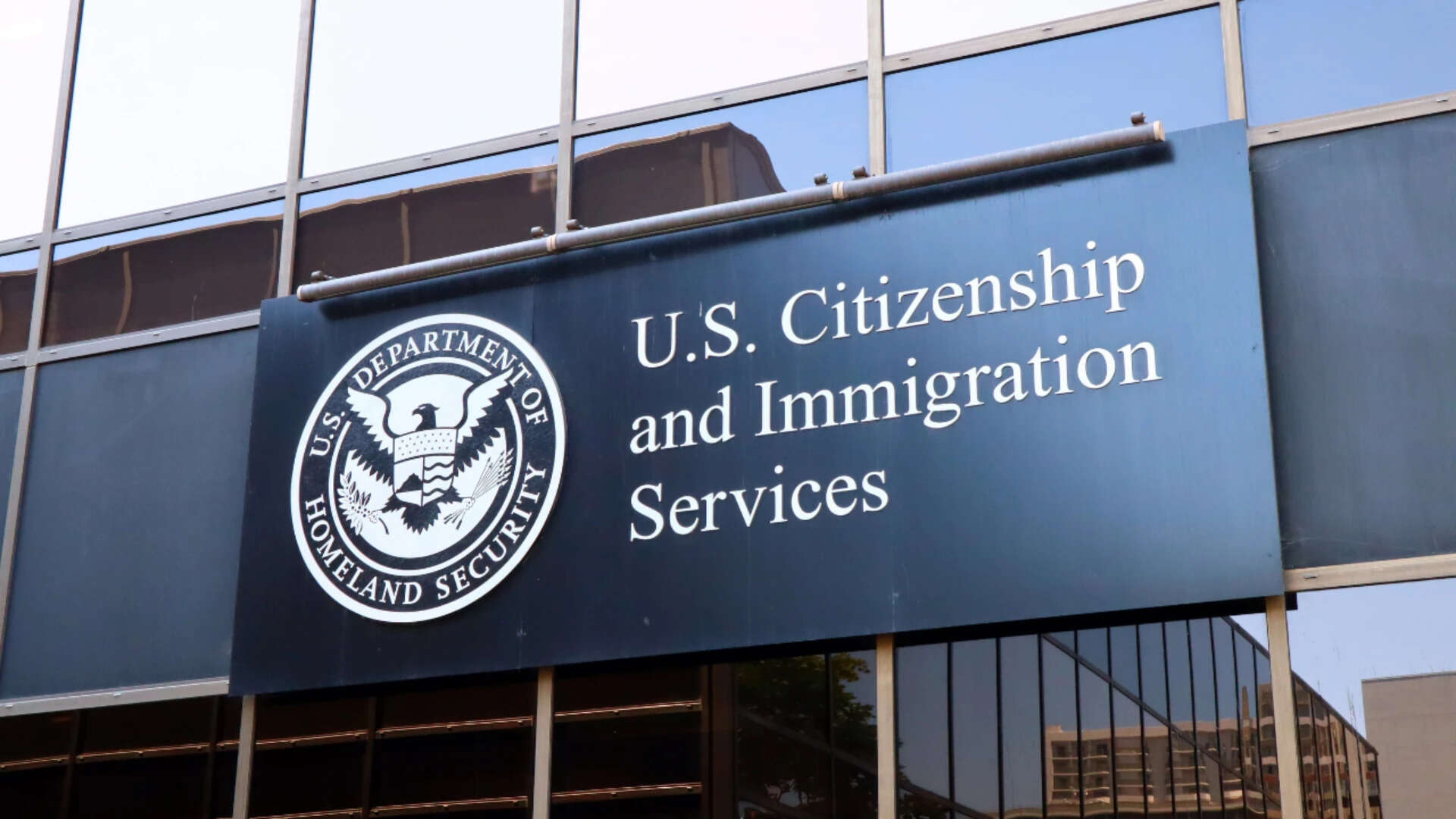
The U.S. Citizenship and Immigration Services (USCIS) portal, usually a dense thicket of spreadsheets and approval rates, had fallen silent. For those who track the movement of global talent, the disappearance of three years of records wasn't just a technical glitch. It was a blackout in the middle of a storm.
The Paper Wall
We often think of immigration as a series of physical borders—fences, checkpoints, stamps in a passport. But for the modern professional, the border is made of data. It is a shifting sea of "prevailing wages," "labor condition applications," and "approval percentages."
When the H-1B Employer Data Hub launched in 2019, it was supposed to be a beacon of transparency. It allowed the public to see which companies were hiring, how much they were paying, and—crucially—which ones were hitting a wall of denials. It turned a black box into a glass house.
Now, imagine that glass house has been boarded up. The USCIS recently took the hub offline for "maintenance," but when it returned, a gaping hole remained. Three years of historical data—the very records that allow researchers and workers to spot trends, identify predatory employers, and verify the health of the tech economy—had vanished from the public eye.
The silence from the agency has been deafening. They cite technical upgrades. They mention database migrations. But to the person whose life depends on the predictability of these systems, "technical migration" feels a lot like "erasure."
The Invisible Stakeholders
Consider the small business owner in Ohio trying to hire a specialized chemical engineer. Without the data hub, she cannot easily verify if her competitors are facing the same "Request for Evidence" (RFE) hurdles she is. She is flying blind, spending thousands in legal fees on a process that has become a game of musical chairs played in the dark.
Consider the investigative journalist trying to track whether large outsourcing firms are still hoarding the lion's share of visas, a practice that has historically squeezed out smaller, innovative startups. Without those missing years of data, the trail goes cold. The accountability that transparency provides isn't a luxury; it’s the heartbeat of a fair system.
Statistics are often used to dehumanize, but in this case, the statistics are the only thing protecting the human. Data proves that a worker isn't being underpaid compared to their peers. Data proves that a company isn't being targeted by an arbitrary policy shift. When the data disappears, the power shifts entirely to the bureaucracy.
Why Three Years Matter
Why does it matter if we lose the records from 2021 to 2024? Those weren't just any years. They were the years of the great post-pandemic recalibration.
During this window, the tech industry saw a massive surge in hiring, followed by a brutal wave of layoffs. The H-1B data from this period is a map of how the American economy survived a global crisis. It shows which industries stayed resilient and which ones buckled. It captures the transition to remote work and the shifting geography of American innovation.
Losing this data is like tearing the middle chapters out of a history book while we are still trying to write the ending.
The USCIS has promised that the information will return. They say the hub will be "better than ever." But trust is a fragile thing, especially when it involves the lives of people who have spent a decade waiting for a green card. For them, every day the hub is down is a day where the rules of the game feel like they are being rewritten in secret.
The Sound of a Broken Link
The "404 Not Found" error is the loneliest sound on the internet. It represents a broken promise.
For the legal teams at Fortune 500 companies, the missing data is a logistical headache. They have to rely on internal archives and expensive third-party scrapers to do the work the government is supposed to provide for free. But for the independent researcher or the curious citizen, it is a wall that doesn't just block view—it blocks progress.
The H-1B system is already a labyrinth of complexity, built on a foundation of quotas, lotteries, and shifting winds of public opinion. It is a system that often makes people feel like they are just a number in a database. When the database itself disappears, even that number feels like a luxury.
Wait. The refresh button has been clicked again.
Still nothing.
The screen stays white.
For Arjun and the thousands of people like him, the wait continues. The vanishing ledger of the American dream remains a blank page, and until the data returns, the only thing they can do is stare into the light and wonder if the records will ever be the same.
The silence of a government server can be louder than any protest, and right now, that silence is a scream.