Granada is currently on edge. If you’ve been following the news, you know the region is dealing with a relentless series of earthquakes. The latest 4.8-magnitude tremor on August 18, 2026, isn't just a random event. It’s part of a larger, ongoing seismic swarm that has turned the city into a nerve center of anxiety and emergency response.
Living or traveling in a seismically active zone like southern Spain requires more than just checking headlines. It requires an understanding of why the ground beneath your feet is restless and how to navigate the immediate aftermath of a quake.
Understanding the Seismic Reality
Granada sits right at the collision point of the African and Eurasian tectonic plates. This specific geology makes the Betic Cordillera one of the most active seismic zones in Spain. While locals are no strangers to tremors, the sheer volume of recent activity—hundreds of events recorded since mid-August—is what makes this situation different.
When you feel the ground move, it’s rarely a single, clean break. It’s usually a complex sequence of fault adjustments. The 4.8 magnitude event centered near Gójar on Tuesday morning was felt intensely because it was a surface-level quake. Shallow earthquakes like this pack a much harder punch than deeper ones of the same magnitude. They transfer energy directly into the urban environment, which is exactly why residents are seeing cracked walls and falling masonry.
The Immediate Impact
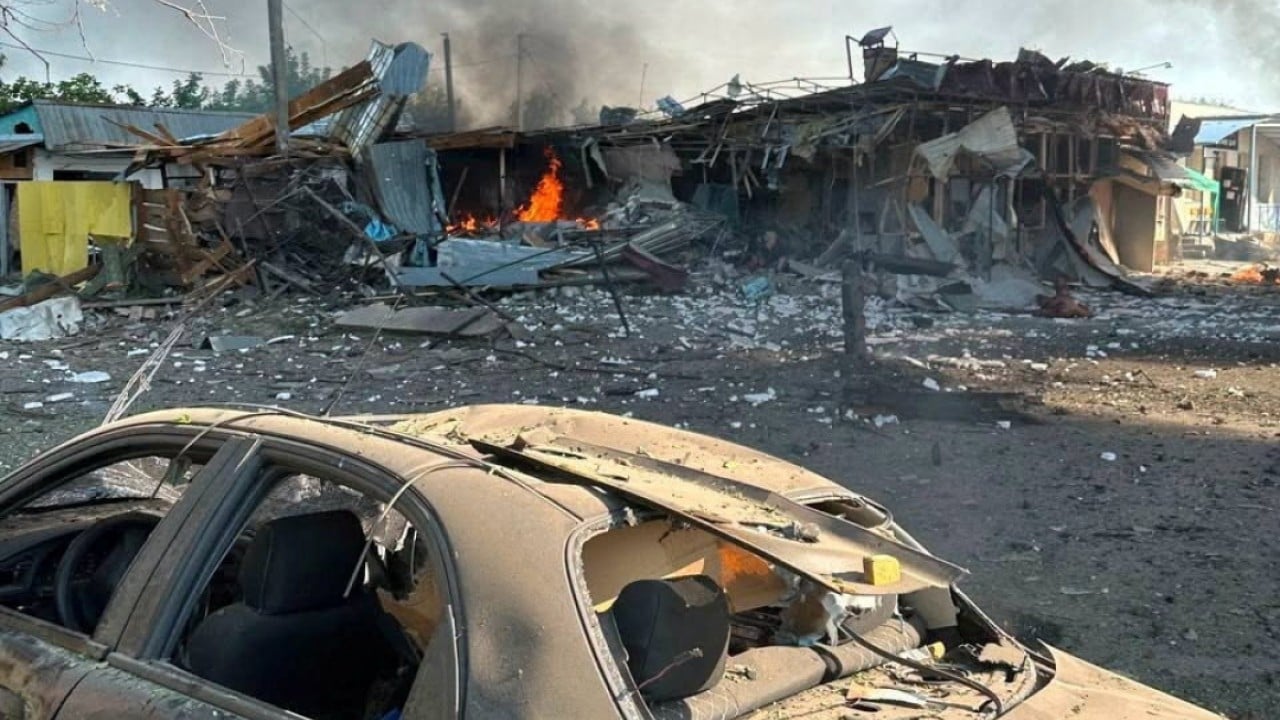
Three people have been injured so far, including a minor who required hospital care. That’s three too many, but given the scale of the shaking, it could have been worse. Emergency services have been flooded with over 50 reports of building damage—mostly facade cracks and debris falling onto streets.
If you are in the area, ignore the "it's just another tremor" mentality. Falling debris is the primary killer in these scenarios. Authorities have already restricted access to parts of the historic Alhambra complex, and if a site that survives for centuries is closing its doors, you should take that as a signal to keep your distance from old, unreinforced masonry.
What You Should Actually Do
Most people panic when the ground shakes. They run blindly toward exits or freeze in place. Here is the reality of survival:
- Drop, Cover, and Hold On: If you’re inside, don't run for the door. Get under a sturdy table or desk. Stay away from windows, glass, or heavy cabinets that can tip over.
- Stay Out of the Streets: If you are outside, stay away from buildings. Facades, balconies, and loose bricks are the biggest threats.
- Check Your Immediate Perimeter: If you’re at home, do a quick check for gas leaks or electrical sparking. If you smell gas, leave immediately and don't touch any light switches.
- Listen to Local Authorities: Keep an eye on official channels from the National Geographic Institute (IGN) and local police. They are monitoring the aftershocks and structural integrity of public buildings.
Moving Forward
The uncertainty is the hardest part. You don't know if the next shake will be the last or just the beginning of another cycle. The metro in Granada has already slowed its trains to 30 kph as a precaution. That’s a smart move—it limits the potential for derailment if a tremor hits while a train is in motion.
If you’re planning to visit Granada, check your travel insurance and contact your accommodation providers directly. Historic cities in this region are beautiful, but they aren't designed with modern seismic dampeners in every corner. Be mindful of where you stay and prioritize buildings that have been recently inspected or retrofitted.
Stay alert, keep your phone charged for emergency updates, and if you feel a tremor, don't wait for a formal warning before you seek cover.