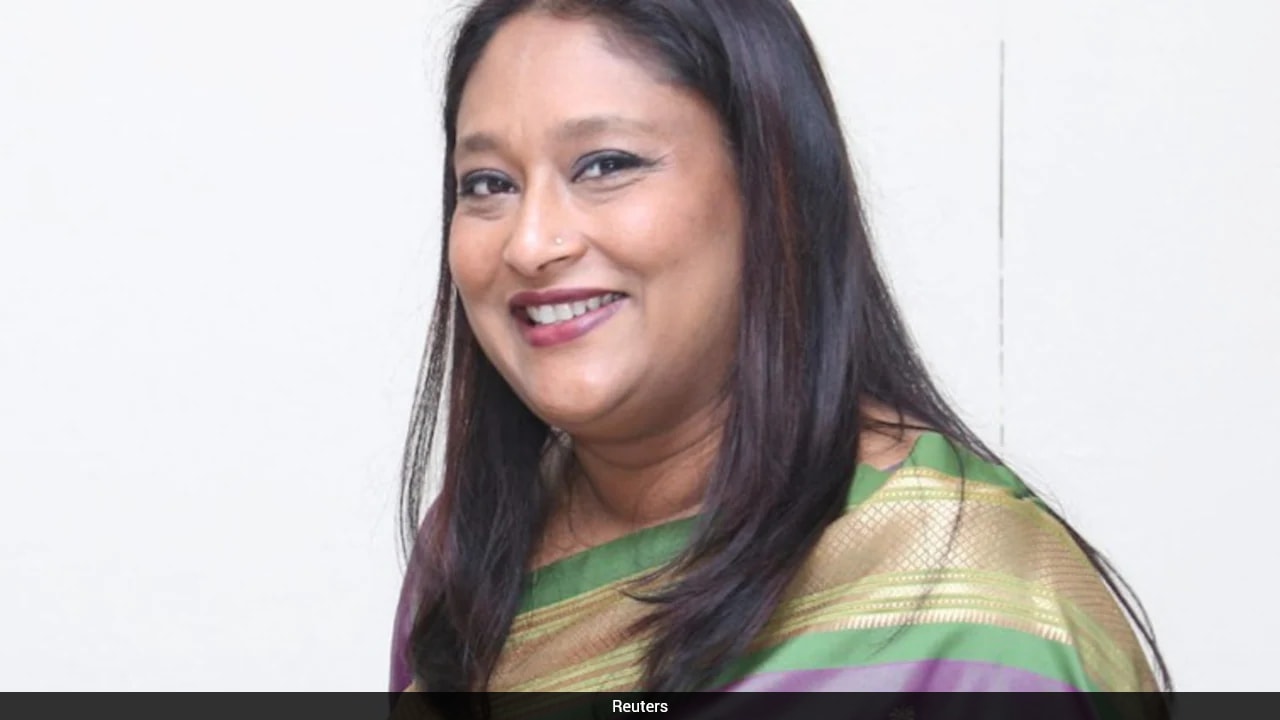
Power has a distinct sound. In the carpeted corridors of international organizations, it sounds like soft murmurs over polished mahogany, the gentle chime of an elevator arriving at the executive floor, and the deliberate click of a gold-plated pen signing a multi-million-dollar health initiative. For years, that sound belonged to Saima Wazed.
As the World Health Organization Regional Director for South-East Asia, she sat at the intersection of diplomacy and medicine. Millions of lives depended on the decisions made behind her closed doors. Vaccines shipped, policies drafted, budgets approved. It felt permanent.
Then came the silence.
The Anatomy of an Unraveling
To understand how a dynasty stumbles, you have to look past the official press releases. You have to look at the quiet panic in bureaucratic offices when the foundation begins to shift.
Saima Wazed did not arrive at the WHO by accident. She carried a famous name, one that commanded automatic deference in her home country of Bangladesh. Daughter of Sheikh Hasina, the long-serving Prime Minister whose sudden and dramatic ouster sent shockwaves through South Asia, Wazed was part of a political aristocracy. When political power crumbles at home, the ripples do not stop at the border. They travel through embassies, through institutional boards, and straight into the glass-walled offices of the United Nations.
Rumors began as whispers. Whispers turned into open questions. Questions evolved into formal allegations of fraud, nepotism, and the weaponization of institutional authority.
Imagine sitting in a high-backed chair in Geneva or New Delhi, watching the ground give way. The allegations were not merely about administrative missteps. They touched something much more fragile: trust. When the public looks to a health organization, they need to believe the people at the top are driven by the pulse of the patient, not the privileges of power.
(Note: The allegations surrounding governance, hiring practices, and institutional transparency are drawn from verified reports tracking the fallout of the political transition in Bangladesh and its immediate impact on international appointments.)
The Weight of the Badge
Public health is supposed to be the great equalizer. Diseases do not check your political affiliations. Mosquitoes do not care who won the last election. Yet, the machinery tasked with fighting these afflictions is entirely human, susceptible to the oldest flaws in our nature.
I remember walking through a rural clinic years ago during a localized outbreak, watching a local nurse struggle to find a single working syringe while international reports praised the region's robust supply chain. The disconnect between paper reality and asphalt reality is vast. When leaders at the top are consumed by scandal, that gap widens into a chasm.
Wazed’s resignation was framed by her supporters as a graceful exit, a step back to protect the integrity of the organization. Critics saw it differently. They saw an inevitable reckoning.
When the news broke, the initial reaction within the health sector was not shock. It was exhaustion. Bureaucrats are tired of collateral damage. They are tired of watching institutions built to save lives get tangled in the barbed wire of dynastic politics.
The Ripple Effect Across Borders
Consider what happens next. A regional director steps down under a cloud of controversy. To an outsider, it is just a headline on a smartphone screen, easily scrolled past before the morning coffee cools. But inside the system, it triggers a cascade.
Projects stall. Funding streams face intense scrutiny. Morale among local health workers—the ones knee-deep in mud, administering polio drops and tracking maternal mortality rates—dips. They wonder if the people directing the strategy even know their names.
Nepotism is a quiet poison. It corrodes from the inside out. When leadership positions are perceived as family inheritances rather than earned responsibilities, the psychological contract between the institution and the public snaps.
Wazed's tenure was supposed to be a triumph for mental health advocacy, a field she had championed passionately for years before stepping onto the global stage. That tragedy makes the fall even sharper. Genuine expertise is overshadowed by the theater of political survival.
The Mirror We Avoid
We love stories of dynasties because they feel ancient, like myths playing out in real time. We watch them rise, and secretly, we wait for them to fall. But this is not Greek tragedy. This is real life, measured in unallocated funds, delayed medical shipments, and the erosion of faith in global governance.
The departure of a regional head does not fix the system that elevated her. It merely exposes the scaffolding. It forces us to ask uncomfortable questions about how power is distributed in institutions designed to protect the vulnerable.
Power does not disappear when a leader resigns. It simply relocates, leaving behind an empty chair, a stack of unanswered memos, and a quiet hallway waiting for someone else to walk down it.
The ink on the resignation letter is dry. The headlines have already moved on to the next crisis. But somewhere in a crowded clinic, a nurse looks at a poster bearing the WHO logo, wondering if the people at the top are finally paying attention.