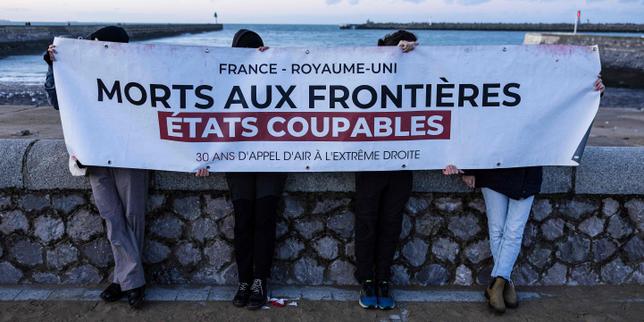
Five years have passed since the tragic shipwreck in the English Channel claimed multiple migrant lives, yet the response from maritime authorities remains stuck in a loop of institutional finger-pointing. When boats sink in one of the busiest shipping lanes on earth, accountability should be crystal clear. Instead, rescue coordinators and emergency operators spend years trading blame over who knew what and when.
It is far too easy for agencies to claim they simply didn't know a disaster was unfolding. Anyone who has tracked maritime rescue operations knows that communication breakdowns between French and British authorities happen far too often. You're looking at a system where human lives hang in the balance, yet bureaucratic friction consistently slows down life-saving interventions.
The Anatomy of a Maritime Breakdown
Maritime rescue coordination centers operate under intense pressure. When distress calls come in from overloaded small boats crossing the Channel, every second counts. Five years after that horrific night, official inquiries and survivor testimonies reveal a troubling pattern of delayed responses and crossed wires.
Rescuers on the ground often find themselves caught between rigid protocols and chaotic real-world conditions. You can't just rely on standard operating procedures when a rubber dinghy is taking on water in freezing seas. Survivors of these tragedies frequently report calling for help repeatedly, only to be told they are in the other country's zone or that their exact coordinates cannot be verified.
This jurisdictional ping-pong kills people. When French and British rescue services argue over maritime boundaries while a vessel is sinking, the cost is measured in human lives.
Why Authorities Fail to Coordinate
The core issue isn't a lack of technology. Modern radar, satellite tracking, and distress monitoring systems give authorities an unprecedented view of the English Channel. The failure is cultural and structural.
- Information silos prevent real-time data sharing between cross-channel partners.
- Fear of jurisdictional liability often causes hesitation during the critical first minutes of an emergency.
- Chronic understaffing in dispatch centers leads to delayed call-prioritization.
When you look at the internal reports released years after these incidents, a clear picture emerges. Operators are handcuffed by red tape. They wait for formal verification instead of deploying assets immediately based on credible distress reports. That delay is fatal.
Moving Past the Blame Game
Pointing fingers won't fix a broken maritime rescue framework. Five years of post-mortem investigations have proven that defensive statements from coastguard agencies do nothing to protect vulnerable people at sea.
True reform requires independent oversight of cross-channel rescue operations. We need a unified response protocol that strips away national ego and prioritizes immediate human rescue above jurisdictional turf wars. Until independent watchdogs have the power to audit rescue timelines without bureaucratic interference, these tragedies will keep happening.
If you want to understand the true cost of institutional inertia, look no further than the families still waiting for honest answers about why help arrived too late. Accountability starts when agencies stop defending their reputations and start fixing their radios.