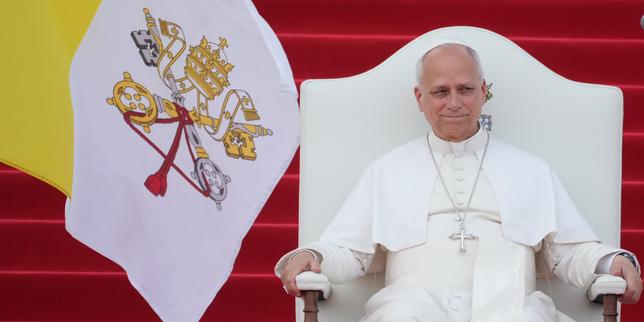
The Vatican’s PR playbook relies on a clean aesthetic. It wants the tearful embrace at Lourdes, the flashing cameras capturing a pontiff in white listening to broken people, and the tidy narrative of institutional healing. Pope Leo XIV receiving survivors of clerical abuse at the Marian shrine sounds like redemption on paper. It looks like progress. It smells like a well-managed optics crisis.
Then you look at who didn't get an invitation.
The collective representing victims of the Bétharram affair—an institutional horror show in the French Pyrenees involving systemic physical, psychological, and sexual abuse spanning decades—was deliberately left outside the gates. The message from Rome is not subtle. The Church wants to manage its ghosts. It wants victims who fit the script, who accept the Vatican's terms of engagement, and who play their assigned roles in the institutional recovery drama. When survivors organize, demand structural accountability, and refuse to be sanitized props, they get the cold shoulder.
Let’s dismantle the lazy consensus floating through mainstream European media right now: that any papal audience with victims is an automatic win for transparency. That is institutional gaslighting dressed up as pastoral care.
The Optics of Grace Versus the Mechanics of Control
Every crisis management firm in Rome understands the value of a pilgrimage. Lourdes is not just a destination for the faithful; it is the ultimate emotional theater. It is a place where suffering is framed through the lens of divine mystery, which makes it an awfully convenient backdrop for an organization trying to launder its reputation for handling predators.
When you invite hand-picked survivors while slamming the door on an organized collective like the one from Bétharram, you are engaging in selective validation. You are drawing a bright red line between the "good victim"—the one who accepts a quiet, mediated apology and an undisclosed payout—and the "difficult victim"—the one who brings lawsuits, questions the hierarchy, and refuses to compartmentalize trauma for the sake of the Sunday collection plate.
I have spent years watching institutions under fire deploy this exact triage strategy. When a scandal breaches the fortress walls, the first instinct is never reform. It is containment. You sacrifice the rogue priests, you issue a vaguely worded mea culpa from the top down, and then you curate the healing process so tightly that nothing threatens the structural integrity of the power dynamic.
The Bétharram collective broke the cardinal rule of institutional survival: they stayed angry, they stayed organized, and they refused to let the Vatican set the tempo of the reckoning.
Defining the Anatomy of Institutional Gaslighting
To understand why the exclusion of Bétharram matters, we need to look past the religious framing and recognize this as a classic corporate PR maneuver.
The Vatican operates as a multinational spiritual conglomerate with a two-thousand-year history of brand preservation. When a franchise location—say, a boarding school in the French Pyrenees—implodes under the weight of decades of systemic abuse, the central office does not panic. They isolate the liability.
Institutional gaslighting follows a predictable arc:
- Denial: Ignore the reports until the media forces a reckoning.
- Containment: Concede individual bad actors while defending the systemic culture.
- Curated Reconciliation: Stage high-profile gestures of remorse with vetted participants.
- Exclusion of Dissidents: Marginalize the groups demanding structural transparency rather than symbolic theater.
The Pope meeting victims at Lourdes checks box number three while actively enforcing box number four. It creates a manufactured contrast. Look at how compassionate we are being, the Vatican whispers, while ignoring the organized bloc of survivors who know the exact mechanics of the cover-up.
The Myth of the Contrite Bureaucracy
We are constantly told by apologists that the current papacy is different, that the machinery of the Holy See is being dragged kicking and screaming into the twenty-first century of accountability.
Spare me.
Real accountability looks like opening the secret archives without preconditions. It looks like handing over internal correspondence to secular prosecutors without hiding behind sovereign immunity or canon law loopholes. It looks like inviting the most militant, uncompromising survivor collectives directly into the room and letting them dictate the agenda.
Inviting a curated group of victims to a shrine is not accountability. It is a photo opportunity. It shifts the burden of proof back onto the survivor: if you accept the embrace at Lourdes, you are expected to forgive. If you reject the theater because your abusers walked free for forty years while bishops looked the other way, you are labeled uncooperative or bitter.
The Church wants the moral high ground without paying the moral tax. They want the redemption narrative without the humiliation of structural dismantlement.
What Real Justice Costs
If the Holy See were genuinely interested in healing the wounds of Bétharram and elsewhere, they would stop treating victim collectives as adversaries to be managed. They would recognize that organized survivor groups are the only immune system a corrupted institution has left.
Instead, they double down on paternalism. They act as the arbiters of who suffered correctly and who is making too much noise.
The next time you see a headline about a papal meeting with abuse survivors, check the guest list. Look for the names of the groups who refused to sign NDAs, who filed the class actions, and who told the local bishops to their faces that prayer without prosecution is just a PR campaign.
Until those voices are sitting at the head of the table, every pilgrimage to Lourdes is just another stage production designed to protect the house that built the abuse in the first place. Stop buying tickets to the show.