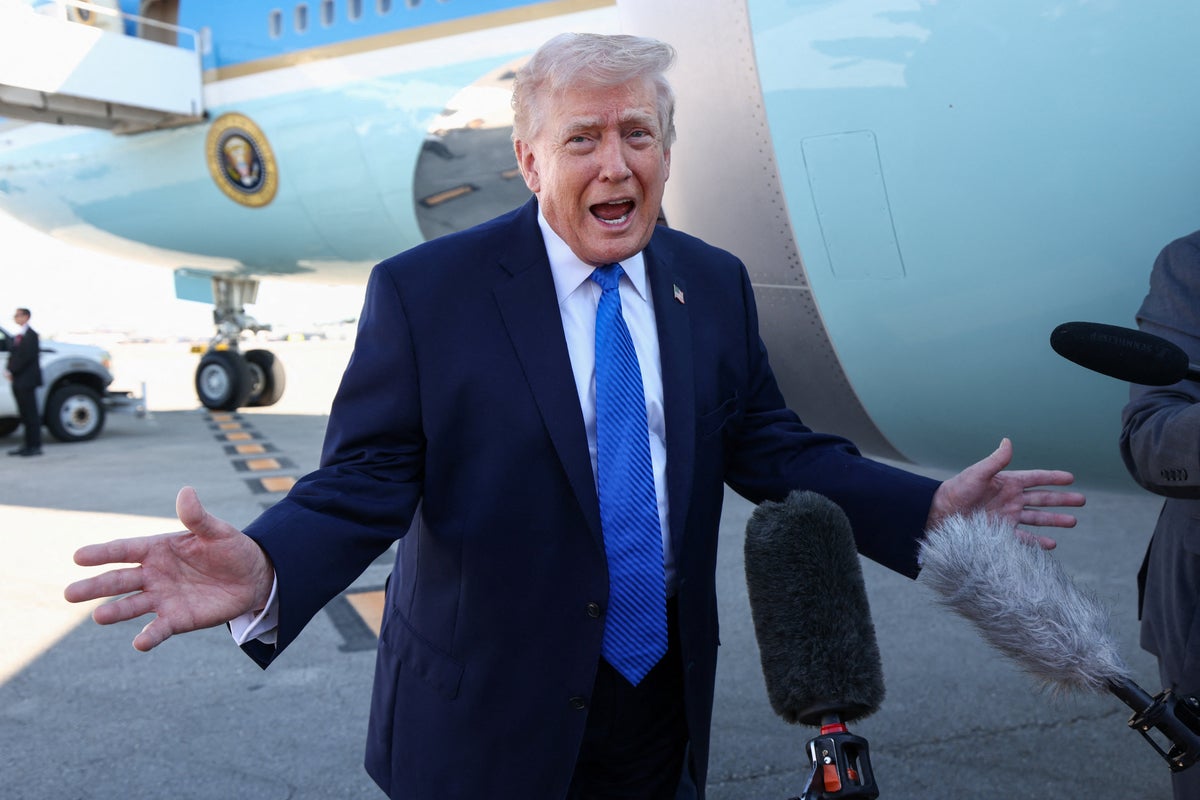
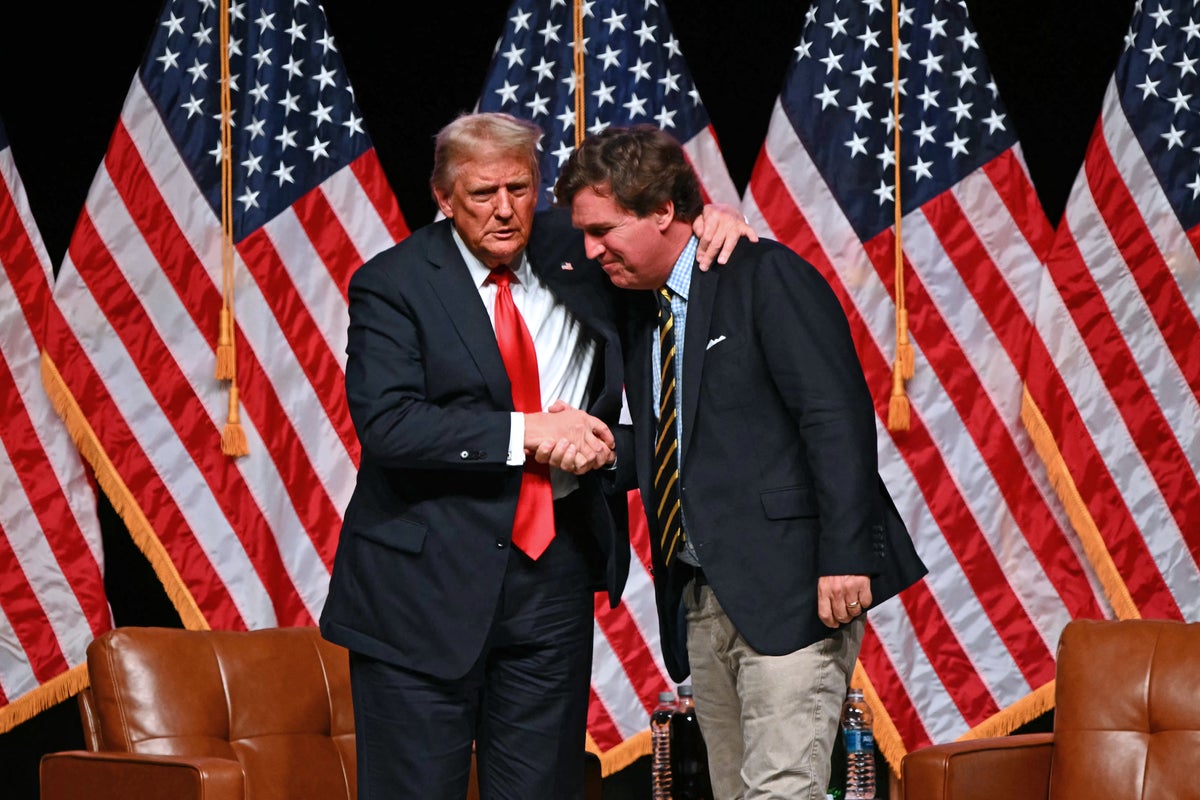
The political press is salivating over what they frame as a definitive reckoning for the Republican Party. With high-stakes Senate battles brewing over a $1 billion White House ballroom security package, a controversial $1,776 billion "anti-weaponization" settlement fund, and a war powers resolution targeting military action in Iran, mainstream analysts are running their favorite playbook. They call it a "test of loyalty." They paint a picture of a fractured party teetering on the edge of a civil war, where lawmakers must choose between absolute fealty to Donald Trump or political suicide.
It is a neat, dramatic narrative. It is also completely wrong. For a different look, consider: this related article.
The lazy consensus ignores the foundational mechanics of how power actually operates on Capitol Hill. What the media interprets as a principled stand or an identity crisis is something far more transactional and cynical. Senate Republicans are not suddenly discovering their constitutional spines or breaking away from MAGA orthodoxy. They are doing what they have always done: engaging in a calculated performance of institutional resistance to extract leverage, manage their own survival, and shield themselves from a deeply unpopular foreign conflict before the midterms.
The Myth of the Spine
Let’s dismantle the biggest delusion first: the idea that Senate Republicans are pushing back on the $1 billion ballroom funding or the "anti-weaponization" settlement fund because of a sudden return to fiscal conservatism. Related insight regarding this has been shared by TIME.
I have watched lawmakers blow billions of taxpayer dollars on pork-barrel projects for over a decade while lecturing the public about the national debt. To believe that GOP senators are genuinely losing sleep over a $1 billion security line item in a $70 billion immigration enforcement bill is to misunderstand the nature of Washington spending.
The real friction is about the Senate parliamentarian, Elizabeth MacDonough. When Trump lashed out on social media demanding that Republicans fire the parliamentarian for ruling against the ballroom package, Senate leadership demurred. Why? Not because they love MacDonough, but because the Senate’s institutional rules—specifically the filibuster and the Byzantine constraints of budget reconciliation—are the only tools that prevent a slim majority from being completely obliterated.
For Senate Republicans, defending the parliamentarian is an act of institutional self-preservation, not an anti-Trump rebellion. They know that if they kill the rules to force through a ballroom or a legal settlement fund today, they lose the exact same shield when the governing trifecta inevitably flips.
The Primary Illusions of Kentucky and Louisiana
Pundits point to Thomas Massie’s recent primary loss in Kentucky as proof that Trump’s grip is absolute and that any dissent is punished by the base. Massie leaned into his brand of libertarian-minded independence, voting against Iran war measures and federal spending, only to be crushed by a Trump-backed challenger.
"See?" the talking heads shout. "Obedience is the only currency."
But look closer at the nuance they missed. On the exact same day Massie was ousted, Senator Bill Cassidy committed what the press called a "dramatic act of defiance" by voting to advance a war powers resolution to curb Trump's military actions in Iran. Why did Cassidy do it? Because he had already lost his primary in Louisiana.
This reveals the cynical math governing Capitol Hill. The rebellion isn't a movement; it's a luxury item. Lawmakers who face imminent primary threats line up and repeat the slogans. Lawmakers who are lame ducks or sitting in safe general-election seats suddenly find their conscience.
Imagine a scenario where thirty Senate Republicans were safe from primary challenges for the next six years. The $1.776 billion settlement fund would have been dead on arrival. Instead, we see a performative dance: Senate Majority Leader John Thune calls the fund a "work in progress" and admits he's "not a big fan," while House Speaker Mike Johnson promises to pass the bill "whatever form it takes." This isn't a civil war; it's a pre-choreographed theatrical production designed to let vulnerable members look independent while ensuring the core legislative vehicle survives.
The Right Question About the Iran War Powers Vote
The media asks: "Will Republicans break with Trump on Iran?"
That is the wrong question entirely. The real question is: "How do Republicans distance themselves from an unpopular war without alienating the voters they need in November?"
A New York Times/Siena poll recently confirmed that the public strongly disapproves of the conflict in Iran and the accompanying spike in the cost of living. For a party trying to retain razor-thin majorities, a grinding, unauthorized conflict in the Middle East is an electoral anchor.
When a handful of Republicans vote with Democrats on a war powers resolution, it isn't an ideological rejection of Trump's foreign policy. It is an insurance policy. It allows the party to signal to moderate, war-weary suburban voters that Congress is attempting to exercise oversight, even as the broader party machine continues to fund the military apparatus. It is the illusion of a check and balance, deployed precisely when polling numbers drop.
The True Cost of the Paxton Endorsement
The real fracture in the party isn't happening over policy or spending—it is happening over political viability. Trump’s surprise endorsement of Texas Attorney General Ken Paxton in the primary runoff against Senator John Cornyn has Senate Republicans privately fuming.
Cornyn is a pillar of the Senate establishment and a massive fundraising machine for the party. By backing Paxton, Trump didn't just test loyalty; he actively threatened the GOP’s institutional infrastructure. Senate Republicans care about the majority above all else. When endorsements threaten the party's ability to win general elections and protect their own seats, the facade of unity cracks.
The Transactional Reality
Stop looking at Washington through the lens of a ideological battle between establishment moderates and MAGA loyalists. It is a marketplace.
- The $1 billion ballroom funding is a bargaining chip.
- The "anti-weaponization" fund is a lightning rod designed to absorb Democratic outrage while the $70 billion immigration bill moves forward.
- The Senate rules are a shield to protect incumbents from taking votes that could ruin them in a general election.
Every objection raised by a Senate Republican this week is an opening bid in a negotiation to modify the language, insert parameters, or extract promises for local projects. They will massage the text, add some window dressing to the settlement fund to block payments to controversial figures, and find a way to repackage the ballroom money under a different bureaucratic label.
The system isn't breaking down. It is functioning exactly as intended: generating maximum noise while preserving the status quo for the people inside the room.