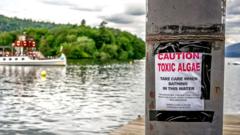
You walk down to your local river, expect to see clean water, and find murky sludge instead. It's frustrating. Recent data from the Environment Agency proves your eyes aren't deceiving you. Only 14.3 percent of England's surface waters hit the mark for good ecological status. That means nearly every single river, lake, and estuary is failing basic environmental tests.
Let's look at the numbers. Out of thousands of monitored sites across England, a tiny fraction make the grade. Meanwhile, 65.4 percent sit at moderate health, and more than 20 percent rank as poor or bad. Campaigners aren't holding back either. They call England's waterways some of the filthiest in Europe.
Why are we here? The blame game usually starts with water companies dumping raw sewage. But truth be told, the damage comes from multiple directions. Agricultural runoff pours fertilizers and animal waste straight into delicate ecosystems. Urban streets flush petrol, litter, and garden chemicals down into local streams every time it rains.
The system itself relies on a brutal rule called "one-out, all-out." If a river boasts healthy fish populations, clear water, and thriving insect life, but fails on a single chemical metric like phosphate levels, the whole water body fails. This strict standard catches every tiny flaw. For instance, the River Foss hits good marks across almost every ecological indicator, yet a single moderate phosphate score drags its overall status down.
Critics point out that government promises haven't fixed the core infrastructure issues. Despite a target to restore 75 percent of water bodies to good ecological health by 2027, the current numbers show ground being lost rather than gained. Private water companies face immense pressure, but critics argue fines and warnings do little to stop ongoing spills.
Chemical health paints an even bleaker picture. Surface waters continue to struggle with persistent pollutants like old flame retardants and PFOS chemicals. These substances linger in the environment for decades. Even though they are banned or heavily restricted now, they refuse to leave the system.
Groundwater shows a slightly brighter path forward, with 41 percent achieving good status compared to 37 percent in previous years. Targeted interventions work when regulators actually enforce them. Take the Manchester Ship Canal and the River Roch, where specific catchment permits forced upstream treatment plants to strip out excess phosphates. That focused effort reversed local decline and proved that cleanup projects succeed when paired with genuine accountability.
You don't have to sit back and watch local waters decay. Check your local environment agency reports to see how your nearby stream ranks. Support local river trusts that test water quality independently. Push local representatives to demand stricter penalties for illegal dumping. Real change happens when communities stop accepting polluted water as normal.