We like to think we would trade our immediate comfort for a safer, cleaner world tomorrow. We buy electric vehicles, sort our recycling, and talk endlessly about preserving the planet for grandchildren we haven't met yet. But peel back the polite public discourse and a starker truth emerges.
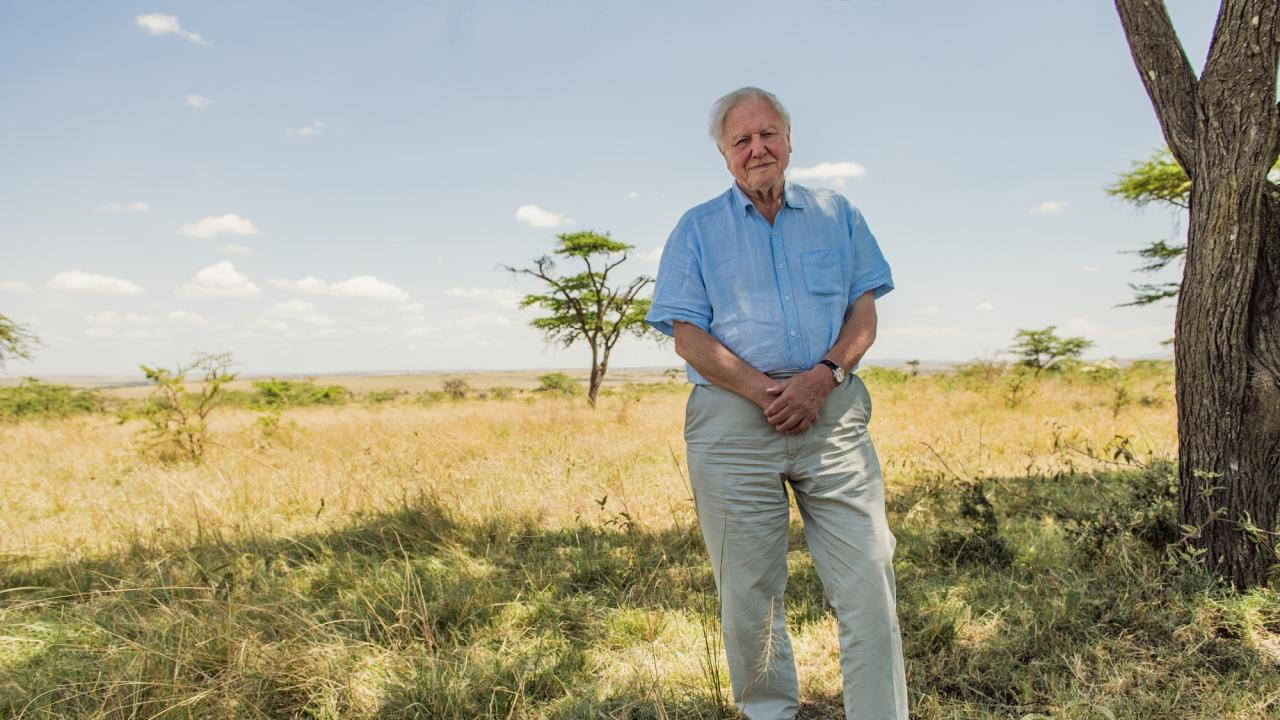
David Attenborough once captured this contradiction with characteristic bluntness, observing that the fundamental flaw of human species is a preference for short-term comfort over long-term survival. As he famously put it, people would rather believe that problems simply do not exist than face the harsh reality required to fix them. Meanwhile, you can explore other events here: How We Got the Parthenon Completely Backward.
That single observation cuts straight to the root of why modern ecological and societal crises drag on year after year. We aren't paralyzed by ignorance. We are paralyzed by convenience.
The Biology of Immediate Reward
Human brains evolved on the savannahs, not in air-conditioned boardrooms planning for the year 2100. For our ancestors, survival meant securing calories today, finding shelter before nightfall, and avoiding predators right now. Long-term planning meant saving a few berries for tomorrow morning, not worrying about atmospheric carbon concentrations three centuries down the line. To see the bigger picture, we recommend the recent article by Apartment Therapy.
This wiring hasn't changed just because we invented smartphones and global supply chains. When faced with an invisible, creeping threat like habitat destruction or resource depletion, our evolutionary alarm bells don't ring the same way they do for an immediate crisis.
You can see this pattern repeated across every level of modern life. It's why fast fashion thrives despite the visible rivers polluted by textile dyes. It's why single-use plastics remain the default choice at grocery checkouts despite the footage of oceans choking on debris. The immediate benefit is tangible, cheap, and effortless. The cost is deferred, outsourced to someone else, or hidden away in a landfill two counties over.
The Comfort Trap
Attenborough spent nearly a century documenting the natural world, watching complex ecosystems unravel piece by piece. Through that lens, he witnessed firsthand how humanity treats the planet like a resource extraction engine rather than a closed loop.
When people hear about impending resource scarcity, the psychological defense mechanism kicks in instantly. Denial is much easier than lifestyle modification. If you convince yourself that scientists are exaggerating or that technology will magically pull a solution out of a hat at the eleventh hour, you don't have to change your habits tonight.
This willful blindness runs deep. We prefer comforting myths to uncomfortable truths because action requires sacrifice. Giving up high-emission travel, cutting down on excessive consumption, or rethinking economic growth models means accepting a temporary dip in lifestyle quality. Most people won't make that trade voluntarily until the fire is already burning down the front porch.
Breaking the Cycle of Avoidance
So how do we break an instinct baked into millions of years of evolution? Waiting for mass moral awakening is a losing game. Human behavior changes reliably under only two conditions: when the pain of staying the same outweighs the pain of changing, or when the better choice becomes the easier, cheaper choice.
Governments and corporations hold massive leverage here, though they often hide behind consumer choice to shirk responsibility. If a city designs infrastructure where walking, cycling, and public transit are faster and cheaper than driving an oversized SUV, people take transit. They don't do it out of sudden ecological saintliness; they do it because it makes practical sense.
At an individual level, fighting this bias means brutal honesty about where convenience rules your daily routines. It means recognizing that every time you choose willful ignorance about where your goods come from, you are voting for the status quo Attenborough spent his life warning us against.
The natural world doesn't negotiate with denial. Ecosystems collapse quietly at first, and then all at once. Pretending the warning signs are just background noise might feel safe today, but the bill always comes due. Stop waiting for permission to care about tomorrow and start dismantling the daily habits that sacrifice the future for five minutes of ease today.