You smell the exhaust first. It clings to the back of your throat, a greasy mix of unburnt diesel and heated asphalt that defines the morning commute for twenty-two million people. Then comes the sound. A relentless, mechanical roar of engines shifting gears, horns blaring out of sheer desperation, and the collective heartbeat of São Paulo pressing inward from every direction. It is a city that swallowed the horizon long ago. Towers of glass and steel climb into the gray haze, locking the sky in a permanent grid of urban ambition.
Yet, right here, trapped within the immense belly of South America’s largest metropolis, an ancient wildness breathes.
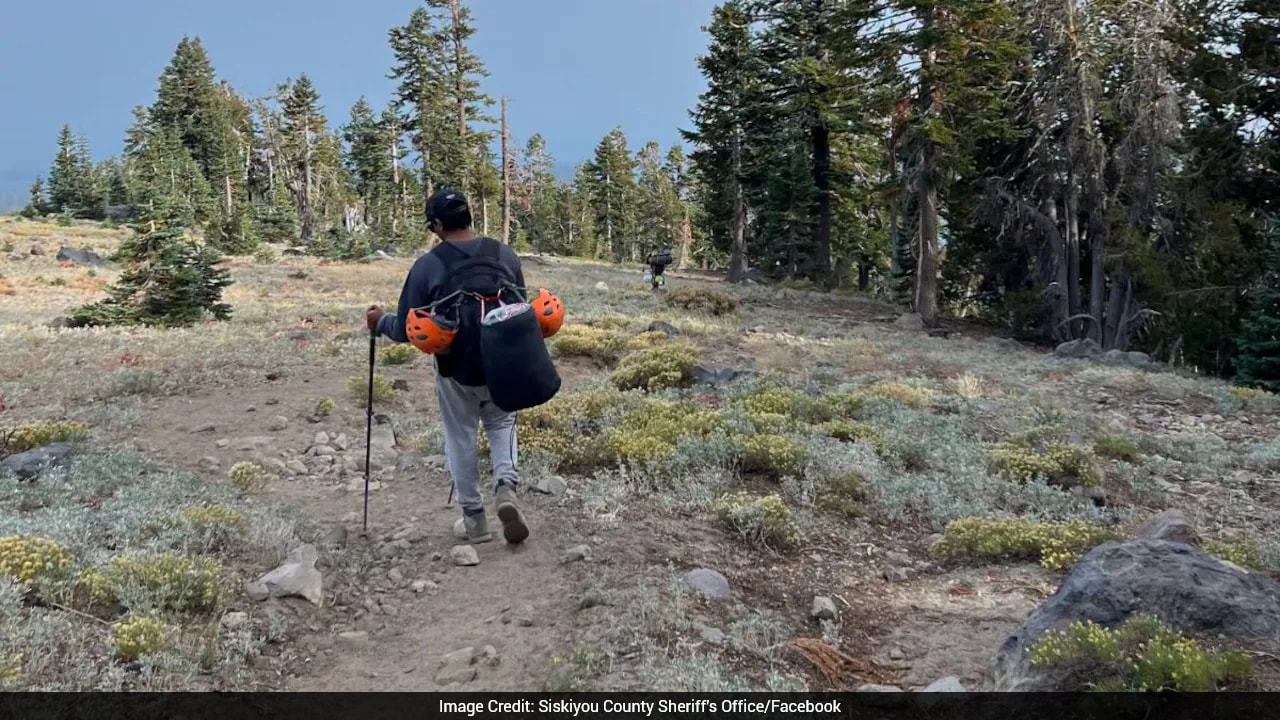
To understand what survives in Parque Estadual da Cantareira, you have to walk away from the avenues where the traffic crawls like a metallic artery. You have to step beneath a canopy so dense that sunlight dissolves into pale, trembling coins on the damp earth. This is not a manicured city park with trimmed hedges and gravel paths designed for leisurely Sunday strolls. This is an Atlantic Forest remnant, a stubborn survivor of an era before concrete carved the continent into parcels.
Imagine standing on the edge of the rim. To your left, a jagged wall of skyscrapers stretches as far as the eye can see, a monument to human engineering. To your right, a sheer wall of green plunges into a valley of ferns, bromeliads, and towering jequitibá trees whose roots grip the soil like ancient knuckles. It is a jarring juxtaposition. Silence and fury, separated by a chain-link fence and a steep ridge.
Centuries ago, this was the invisible sponge that kept a growing settlement alive. When the colonial outpost of São Paulo was just a dusty grid of mud-brick houses, the springs flowing down these hillsides provided the water that sustained its people. The forest was protected not out of ecological enlightenment, but out of sheer necessity. If the trees fell, the wells dried up.
Centuries bled into decades, and the surrounding wilderness was systematically dismantled. Loggers cleared the slopes. Pastures replaced native flora. The city expanded like an ink stain on blotting paper, creeping up the foothills, swallowing rivers, burying valleys beneath tons of stone and mortar. By all laws of modern urban expansion, Cantareira should have been leveled. It should have been sliced into luxury housing lots and concrete strip malls.
It stayed.
Why? Because the geography fought back. The steep topography of the Serra da Cantareira made bulldozing a logistical nightmare. But more than that, a handful of forward-thinking conservationists and citizens realized that a city of millions cannot survive without lungs. They drew a line in the dirt. They designated it a state park in the 1960s, wrapping a protective legal shield around a fragile, emerald sanctuary.
Walking its trails today feels like stepping backward in time. The air changes instantly. The temperature drops five degrees, cooled by millions of leaves transpiring moisture into the humid air. The air tastes clean, washed of carbon monoxide and particulate matter. It is a sensory shock wave for anyone conditioned to the urban core.
Consider the fauna that calls this place home. How do animals like the howler monkey or the elusive margay cat survive when they are surrounded by an impenetrable ocean of asphalt? They don't just survive; they adapt to the island effect. Cantareira functions as a biological island, a floating ark of biodiversity stranded in a sea of civilization.
Researchers monitoring the park have cataloged hundreds of bird species. The thrum of cicadas competes with the bright, liquid calls of toucans flashing their neon bills against the dark foliage. Down on the forest floor, leaf-cutter ants march in hyper-organized columns across decaying logs while tiny, jewel-toned frogs cling to the undersides of wet leaves. Every square inch of this forest pulses with an urgent, desperate vitality.
Yet, this sanctuary faces constant siege. Edges are vulnerable. Invasive species try to creep in from nearby gardens. Domestic dogs and cats occasionally slip past boundaries, introducing diseases to native wildlife. Urban runoff threatens pristine streams. Illegal dumping and the relentless pressure of real estate speculation loom like dark clouds just beyond the ridge. The forest does not defend itself; it relies on a dedicated corps of rangers and scientists who walk its borders like guardians of an ancient ruin.
To visit Cantareira is to confront a paradox. It reminds us of what we have lost, and what we are perpetually in danger of losing completely. We build our monuments to permanence out of concrete and steel, forgetting that concrete eventually crumbles and steel eventually rusts. The only true permanence is biological.
The sun dips lower, casting long, golden shafts of light through the canopy. Down in the valley, the rush-hour traffic begins its evening crescendo, a low, mechanical hum that vibrates through the soles of your feet. Up here, a lone hawk circles lazily on a thermal current, riding the warm air above the trees, completely indifferent to the metropolis churning just a few miles away. The forest holds its ground. Quiet. Resilient. Waiting.