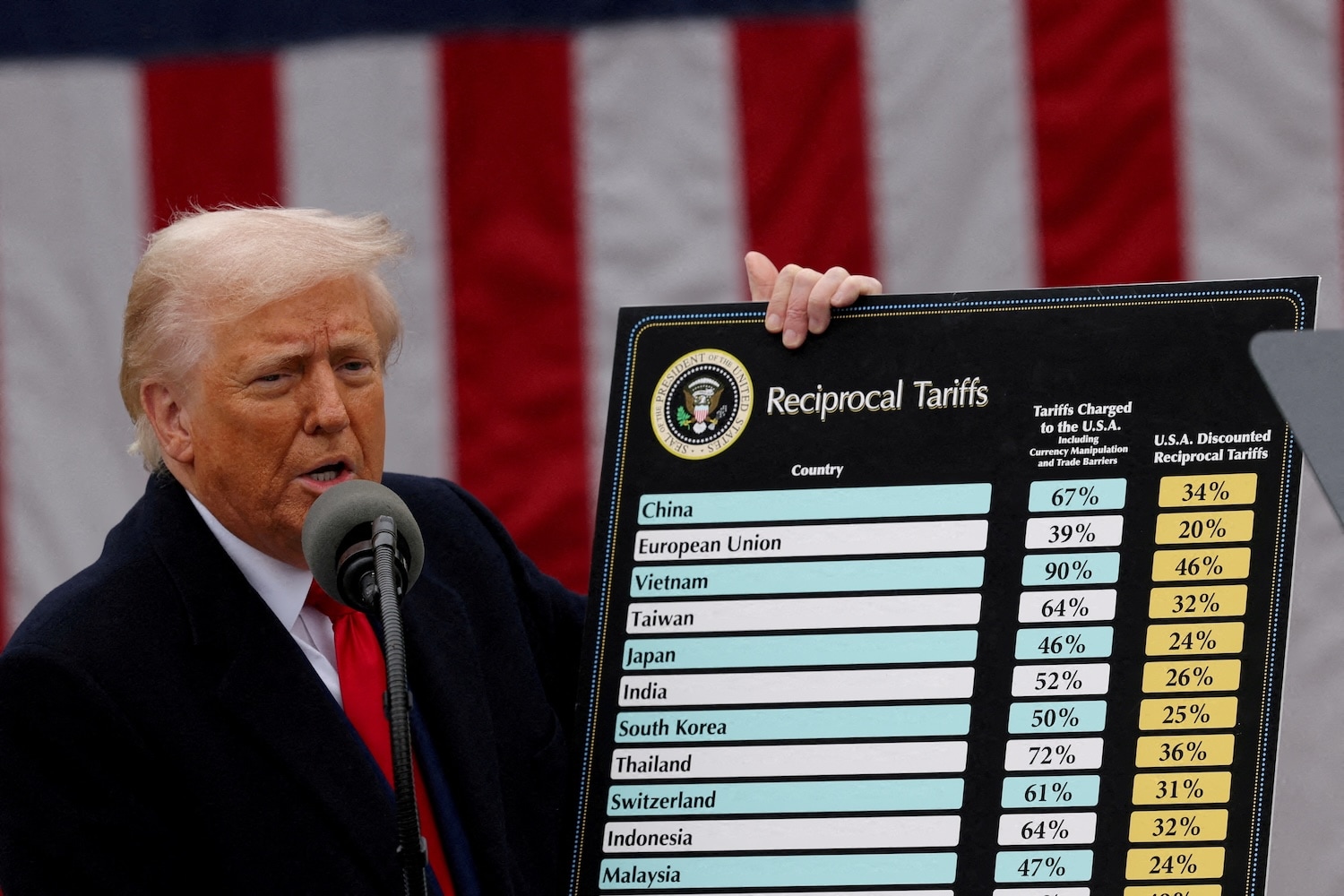
The wait is finally over, but don't expect a check to just show up in your mailbox. On Monday, April 20, 2026, the U.S. Customs and Border Protection (CBP) officially opened the doors to its new refund portal. It's called CAPE—short for Consolidated Administration and Processing of Entries. If your business was hit with those heavy tariffs imposed under the International Emergency Economic Powers Act (IEEPA), you're likely looking at a piece of a $175 billion pie.
But here’s the reality check: the government isn't doing the math for you. The burden is entirely on the importer. If you don't ask, you don't get paid. After the Supreme Court ruled in February that these emergency duties "usurped" the role of Congress, the scramble for cash began. Now that the portal is live, the race is on to see who actually has their paperwork in order.
The Phase One Reality Check
CBP isn't opening the floodgates for every single claim all at once. They're starting with what they call Phase 1. This covers about 63% of the duties paid. Essentially, if your tariff entries are still "unliquidated"—meaning they haven't been finalized by Customs yet—or if they were finalized within the last 80 days, you're at the front of the line.
What about the rest? If your shipments were finalized years ago, you're stuck in the waiting room. While a recent court order suggested even those old, "fully liquidated" entries might eventually be eligible for reliquidation and a refund, CBP hasn't fully operationalized that part yet. You're looking at months, maybe even years, for the older stuff.
Who Actually Gets the Money
I’ve seen a lot of confusion about who gets to file these claims. Let's be blunt: if you're a consumer who paid an extra $50 for a toaster because of these tariffs, you're out of luck. The refund goes to the "Importer of Record" (IOR). That’s the entity whose name is on the customs bond and who actually cut the check to CBP.
- Retailers and Manufacturers: If you imported the goods, you're the one filing.
- Customs Brokers: They can file on your behalf, but the money is destined for the importer.
- End Consumers: You're basically a bystander here. Unless you're part of one of those massive class-action lawsuits against retailers like Costco or FedEx, don't expect a dime.
Why You Might Want to Sell Your Claim
The government says refunds will take 60 to 90 days once a claim is approved. That sounds fine on paper. In practice? Any tiny error in your tariff codes or paperwork will boot your claim to the back of the line. Some logistics giants and hedge funds are already sniffing around, offering to buy these refund claims for cents on the dollar.
It sounds like a raw deal, but for a small business desperate for liquidity, waiting two years for a $100,000 refund might not be an option. Getting $70,000 today from a firm that's willing to fight the administrative battle for the next 24 months is a legitimate strategy. It's basically trade-finance factoring, but for government mistakes.
The Massive Logistics Mess Behind the Scenes
Don't underestimate the "cleaning up your act" part of this. Customs brokers have been notoriously overwhelmed for years. Mistakes in HTS codes (Harmonized Tariff Schedule) are common. If your original filing had errors, you have to fix those before you can even think about the IEEPA refund.
You also need to make sure your ACE (Automated Commercial Environment) portal is active and, most importantly, that you’re set up for ACH (Automated Clearing House) refunds. If the government doesn't have your bank info, they aren't going to go searching for it. They'll just sit on your money.
Actionable Steps to Take Today
Stop waiting for your broker to call you. They're likely buried under 5,000 other claims.
- Audit Your Entries: Identify every shipment that was hit with IEEPA duties. Segment them into "Phase 1 Eligible" and "Future Phase."
- Check Your ACE Portal: Log in and make sure your company's registration is current.
- Verify ACH Authorization: Ensure your bank account is linked for electronic payments. Physical checks will take forever, if they even offer them.
- Decide on the Legal Angle: Talk to your trade counsel about whether you need to file a protest for the older, liquidated entries to protect your rights while the courts and CBP argue over the details.
The portal is open, but it's not a "set it and forget it" situation. The businesses that get their money back first are the ones that treated this like a high-stakes audit rather than a lottery win. Start your filings now, double-check the math, and keep your expectations grounded in the 90-day window.