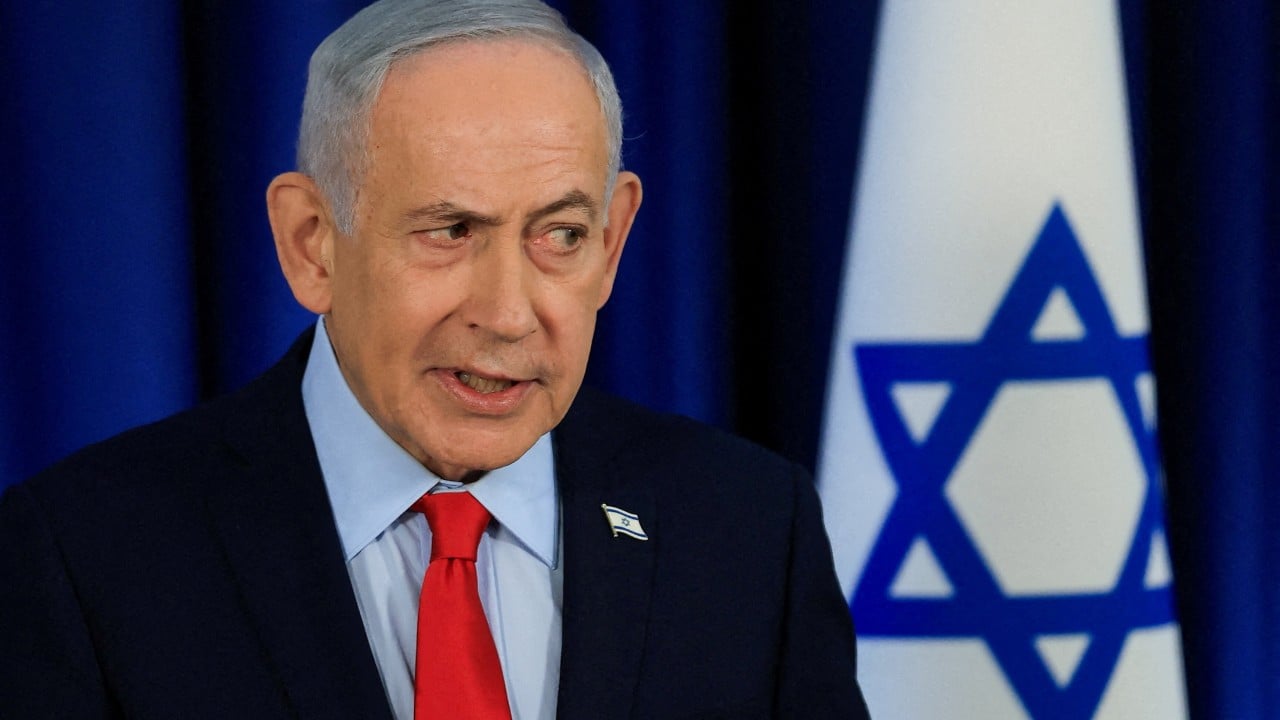
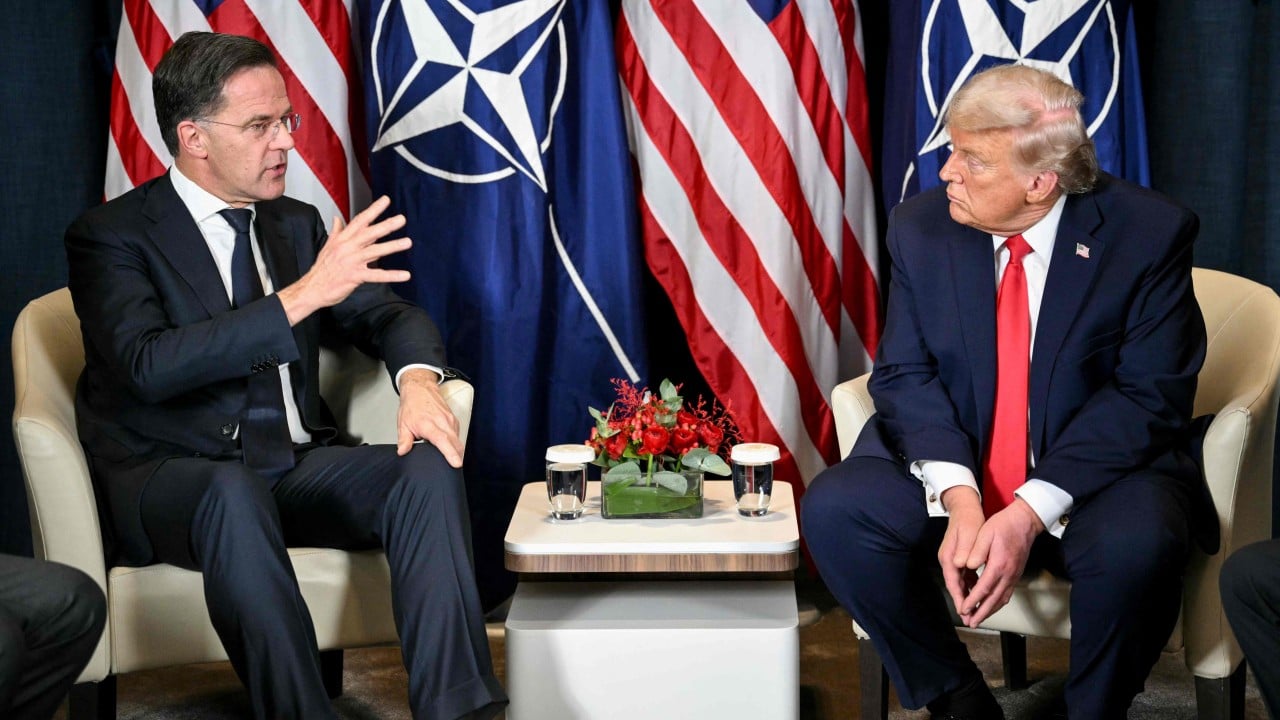
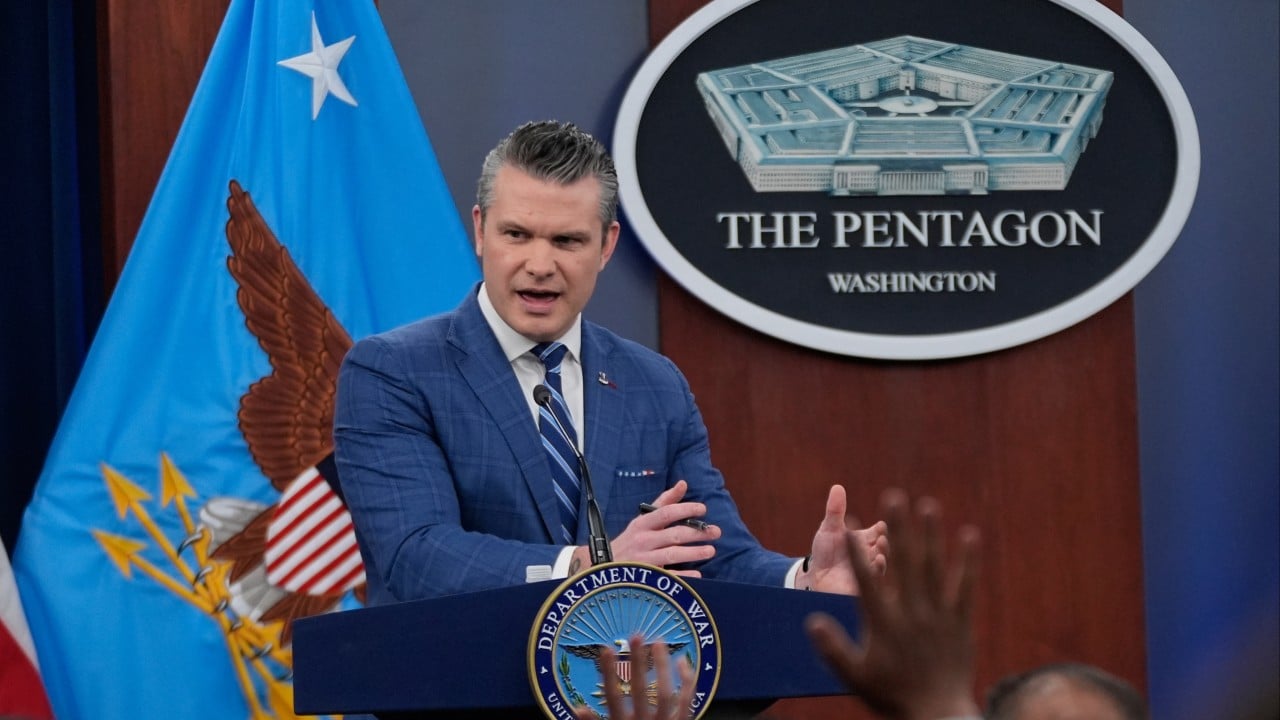
The regional map has shifted with a violent, calculated suddenness that caught many in the diplomatic corps off guard. While Washington attempts to broker a fragile truce between the United States and Iran, Israel has chosen a path of maximum escalation in Lebanon. This isn’t a contradiction of the peace process, but rather a violent prerequisite for it. Prime Minister Benjamin Netanyahu’s government is operating on the grim realization that if the U.S. and Iran reach a functional "freeze" on regional hostilities, Israel cannot afford to leave Hezbollah’s infrastructure intact along its northern border. The pummelling of Lebanese targets—followed immediately by a pivot toward negotiations—is a classic display of "escalating to de-escalate," ensuring that any final diplomatic deal is written on Israeli terms rather than Iranian ones.
The Irony of the Iranian Truce
For months, the Biden administration and incoming Trump transition figures have signaled a desire to cool the "forever wars" of the Middle East. The quiet back-channels between Washington and Tehran have focused on a simple trade: Iran restrains its regional proxies, and the U.S. eases the economic strangulation that threatens the regime’s survival. On paper, this is a victory for regional stability. In practice, for the Israeli security establishment, it is a nightmare.
A truce between the superpowers often leaves the smaller players frozen in place. If Israel waited for a formal U.S.-Iran deal to be inked, their hands would be tied by international law and American pressure. They would be forced to live with a heavily armed Hezbollah sitting on the Litani River, emboldened by the knowledge that their Iranian patrons had secured them a "get out of jail free" card. Israel’s current offensive is a race against the diplomatic clock. They are destroying as many launch sites, command centers, and tunnel networks as possible before the window of "permissible violence" slams shut.
Hezbollah’s Miscalculation and the Rubble of Beirut
Hezbollah entered this conflict under the assumption that "unity of fields"—the idea that Iran, Hamas, and Hezbollah would all fight together—would provide a protective umbrella. That umbrella has holes. Iran has shown a distinct lack of appetite for a direct, existential war with Israel that would risk its own nuclear facilities. Left largely to their own devices, Hezbollah’s leadership found themselves facing the full weight of the Israeli Air Force without the promised regional firestorm to distract their enemy.
The intensity of the strikes on Lebanon has been staggering. Unlike the 2006 war, which was characterized by a certain degree of tactical hesitation, the current campaign is focused on total systemic degradation. By leveling key logistical hubs in the Dahiyeh suburb of Beirut and targeting the financial institutions that fund Hezbollah’s social services, Israel is attempting to break the group's domestic legitimacy. They want the Lebanese people to see Hezbollah not as a shield, but as a magnet for ruin.
The Pivot to the Table
The shift from heavy bombardment to "agreeing to talks" is not a sign of Israeli exhaustion. It is a calculated move to bank the gains made on the battlefield. In the world of high-stakes geopolitics, you fight to create a new reality, then you negotiate to make that reality permanent.
Israel’s demands in these talks are no longer about simple border demarcations. They are demanding a fundamental restructuring of the security arrangements in Southern Lebanon. This includes:
- The total withdrawal of Hezbollah forces north of the Litani River.
- An empowered Lebanese Armed Forces (LAF) that actually polices the south, rather than acting as a passive observer.
- International guarantees—likely involving French and American oversight—that allow Israel the right to strike if weapons smuggling resumes.
By agreeing to talk now, Israel avoids the "quagmire" trap. They have done the damage. Now they are offering the international community a way to stop the bleeding, provided the world accepts the new status quo Israel has created with its F-35s.
The Role of the Lebanese State
Lebanon is a ghost of a nation, haunted by its own paralysis. The government in Beirut has almost zero control over the southern portion of its own territory. This creates a dangerous vacuum. When Israel "agrees to talks," they aren't really talking to the Lebanese government; they are talking to the Americans and the French, with the Lebanese state acting as a convenient legal fiction to sign the documents.
The tragedy for Lebanon is that even a successful negotiation leaves them fractured. If Hezbollah is pushed back, the internal power balance of Lebanon shifts. The Christian, Sunni, and Druze populations, who have watched their country be dragged into a war they didn't choose, may find their voices again. But a weakened Hezbollah is also a cornered Hezbollah. Historically, when the group feels its external influence waning, it turns its weapons inward to maintain its grip on domestic power.
Why the U.S. is Playing Along
The White House finds itself in a bizarre position. While they publicly call for "restraint" and "de-escalation," there is a quiet acknowledgement in the State Department that a weakened Hezbollah makes a deal with Iran easier to manage. If Hezbollah is no longer a credible threat to ignite a regional war, the U.S. has more leverage over Tehran.
Washington is providing the diplomatic cover for Israel to finish its "work" while simultaneously preparing the podiums for a peace ceremony. It is a cynical, effective brand of realpolitik. The U.S. provides the munitions for the "pummeling" and the ink for the "talks."
The Fragility of the New Status Quo
Nothing in this region is permanent. The assumption that Hezbollah can be permanently sidelined by a few weeks of heavy bombing ignores thirty years of history. The group is deeply embedded in the social fabric of Lebanon's Shia community. You can destroy a missile silo, but you cannot easily destroy an ideology fueled by perceived martyrdom and Iranian gold.
Furthermore, any deal struck today relies on the "truce" with Iran holding. If the hardliners in Tehran decide that the U.S. isn't delivering enough sanctions relief, they can easily flip the switch and order their remaining assets in Lebanon and Iraq to reignite the borders. The peace being built right now is not a house of bricks; it is a tent held down by heavy stones in a windstorm.
The End of the Buffer Zone Theory
For decades, the strategy was to maintain a "buffer zone" or a "status quo of mutual deterrence." That era ended on October 7. The Israeli public no longer accepts the idea of "mowing the grass"—the periodic limited strikes intended to keep a threat manageable. The new doctrine is "pulling the weeds by the roots."
This shift in mindset explains why the bombardment was so fierce and why the transition to talks was so rapid. Israel is no longer interested in a long, drawn-out war of attrition. They want a decisive, violent disruption of the enemy’s capabilities, followed by a diplomatic "lock-in."
The coming weeks will determine if this gamble pays off. If the talks result in a meaningful withdrawal of Hezbollah, Netanyahu will have secured his northern border for a generation. If the talks stall and the rockets start falling on Tel Aviv again, the region will descend into a conflict that no amount of superpower maneuvering can contain. The leverage has been built with fire; now we see if it can be sustained with words.
The tactical reality on the ground has outpaced the diplomatic rhetoric in the halls of the UN. While the world watches the televised negotiations, the real work is still being done by engineers clearing the debris of Southern Lebanon to ensure that when the residents return, they return to a land where the shadow of the missile is gone, even if the shadow of the war remains. The only question left is whether Iran truly intends to stay on the sidelines, or if they are simply waiting for the Israeli momentum to hit the inevitable wall of international fatigue. Israel has made its move; the board is now Tehran’s to play.