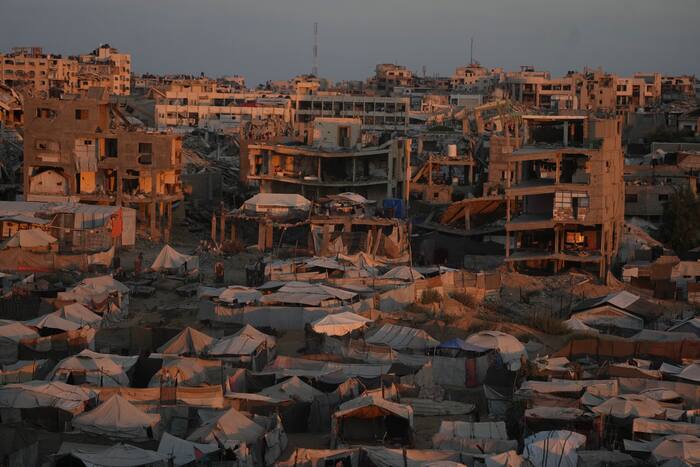
The arithmetic of modern conflict rarely accounts for what happens after the smoke clears. When the Palestinian death toll in the Gaza Strip officially surpassed 74,000, international news cycles treated the figure as a grim milestone, a static data point logged in ongoing regional dispatches. Yet beneath that number lies a systemic administrative and humanitarian breakdown that defines the true cost of prolonged military campaigns.
Numbers collected by the Gaza Ministry of Health and verified by international monitoring agencies represent only the documented dead brought to overwhelmed hospitals or registered by grieving families. Thousands more remain unaccounted for, buried under pulverized concrete or lost in areas where rescue crews cannot operate due to structural instability and ongoing security restrictions. This creates a statistical vacuum where the full scale of human loss is perpetually understated.
International bodies and humanitarian groups emphasize that the crisis extends far beyond direct kinetic strikes. The systematic collapse of critical infrastructure—including water treatment facilities, electrical grids, and sanitation networks—has transformed daily existence into a battle for basic biological survival. With over ninety percent of households facing severe water insecurity and depending heavily on emergency water trucking, the environment itself becomes a primary driver of morbidity.
Healthcare infrastructure has suffered a parallel disintegration. Independent assessments by international organizations indicate that the vast majority of medical facilities are either partially or completely non-functional. Hospitals operating without steady fuel supplies, basic pharmaceuticals, or surgical equipment cannot manage routine trauma cases, let alone chronic conditions. The resulting secondary mortality—deaths from untreated infections, manageable diseases, and pregnancy complications—rarely appears in daily casualty figures, obscuring the true depth of the catastrophe.
Economic and structural devastation compounds these human losses. Joint assessments by international financial and developmental institutions place direct physical damage to buildings and urban centers in the tens of billions of dollars, with long-term recovery costs projected to scale even higher. Entire neighborhoods have been rendered uninhabitable, forcing approximately ninety percent of the population into displacement sites that offer minimal protection against seasonal elements, flooding, and overcrowding.
Diplomatic efforts and nominal ceasefires have repeatedly failed to alter the trajectory of civilian hardship on the ground. Restrictions on the import of heavy machinery, construction materials, and essential humanitarian relief supplies mean that even where active combat pauses, the machinery of reconstruction remains stalled. As winter rains and structural collapses threaten makeshift camps, the population faces an ongoing crisis of exposure and displacement that persists long after the headlines fade.


