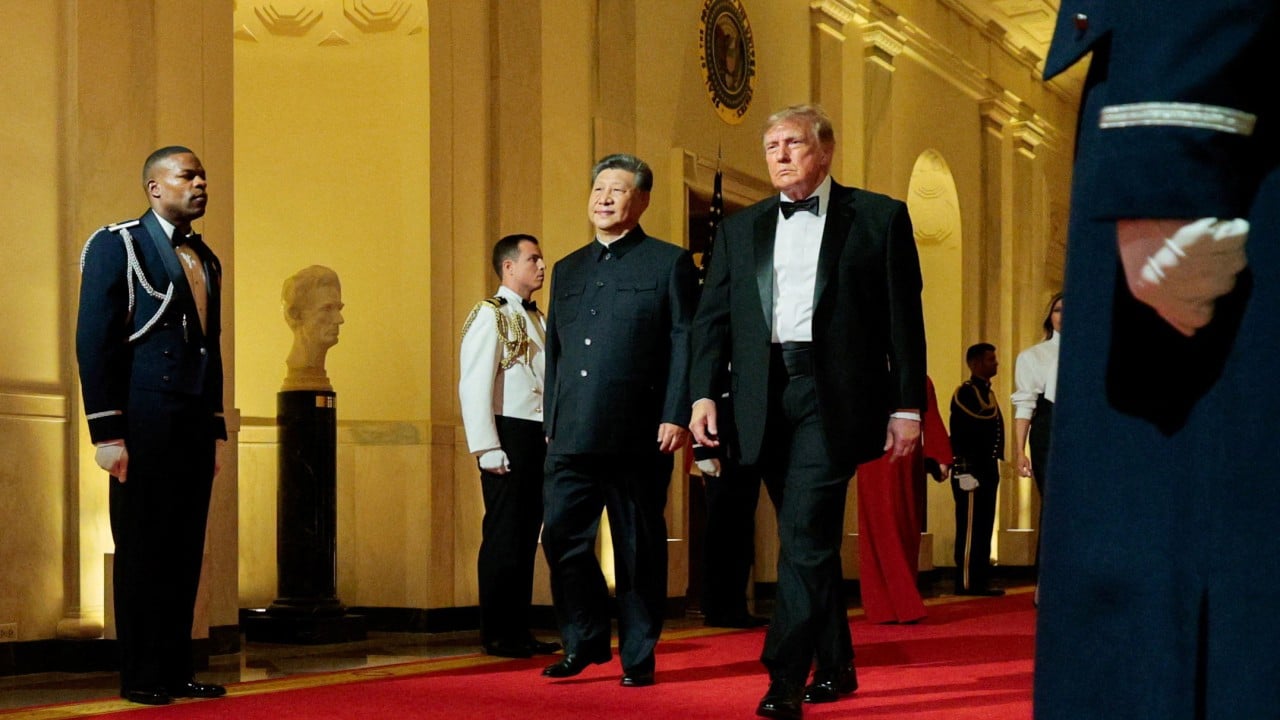
The headlines from Washington last September painted a picture of unexpected calm. When President Donald Trump welcomed Chinese President Xi Jinping to the White House for a high-profile state visit, the diplomatic optics were unusually warm. Trump personally greeted Xi at Joint Base Andrews—a rare gesture of diplomatic pageantry—while Treasury Secretary Scott Bessent announced a crucial extension of the bilateral trade truce through January 10, 2027.
Most commentators treated this extension as a sign of permanent de-escalation. That is a mistake. If you liked this article, you should look at: this related article.
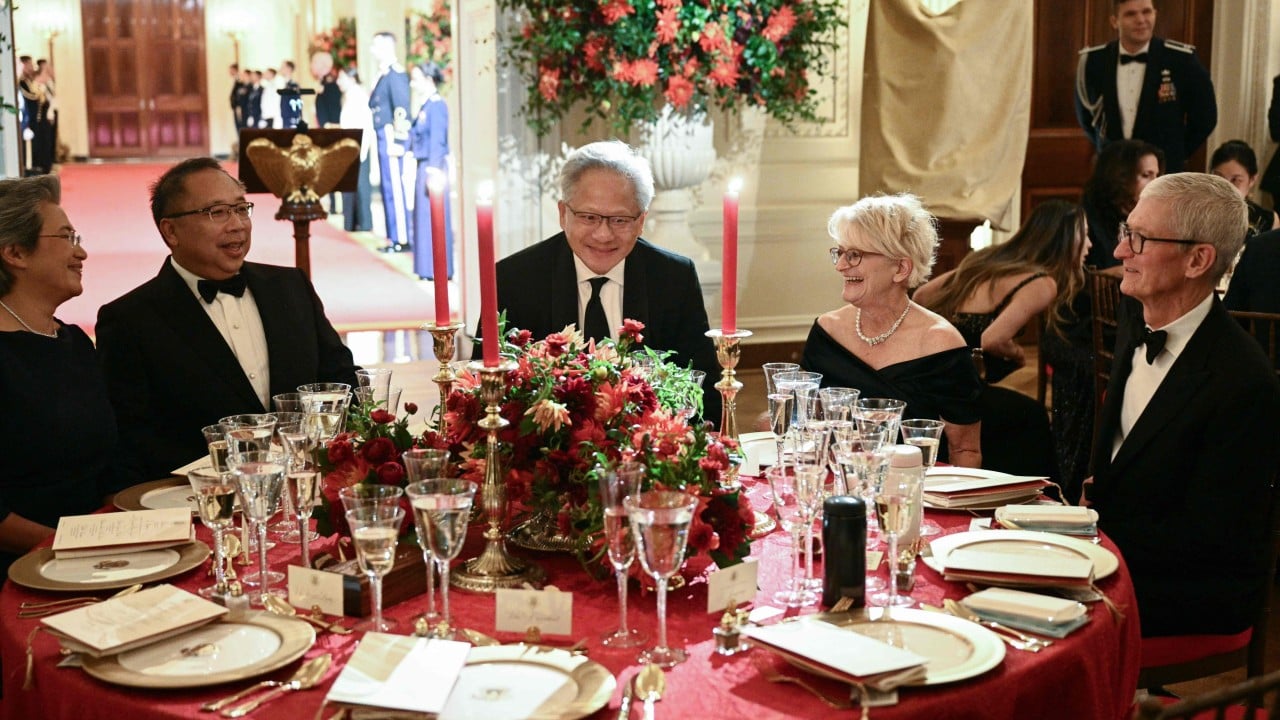
Underneath the ceremonial tea ceremonies in the Red Room and the grand state dinners, the underlying structural rivalry between the United States and China remains completely unchanged. Kicking the tariff deadline down the road doesn't solve the core tech restrictions, intellectual property disputes, or supply chain decoupling quietly reshaping global markets.
Why the January 2027 Deadline Is Just a Band-Aid
Let’s look at how trade truces actually operate in practice. When governments agree to freeze escalating tariffs for a few extra months, corporate boardrooms breathe a collective sigh of relief. Importers rush to ship goods, and inventory planners adjust their quarterly forecasts. For another look on this event, see the recent coverage from Financial Times.
However, temporary freezes don't provide long-term predictability. Supply chain executives learned the hard way that depending on rolling 90-day or multi-month reprieves is an operational trap. If you're running global manufacturing operations, you can't build multi-year capital expenditure models around a political calendar that resets every few months.
The extension of the Busan Agreement bought time for both administrations to manage domestic economic pressures, but it left the hardest industrial policy questions untouched. Washington wants to protect domestic high-tech manufacturing and semiconductor dominance. Beijing wants to sustain its massive industrial export engine despite slowing domestic consumption. Those two goals are fundamentally incompatible.
The Technology and AI Safety Paradox
One of the most revealing elements of the Washington summit was the agreement to establish communication channels for artificial intelligence safety and risk mitigation. Both nations recognize that advanced computing infrastructure and artificial intelligence are the ultimate economic battlegrounds of this decade.
Yet, cooperating on risk notifications while aggressively restricting semiconductor exports and computing hardware creates a bizarre paradox. You cannot simultaneously attempt to wall off an adversary from critical technological building blocks while expecting seamless diplomatic cooperation on safety protocols.
Competitor summaries often gloss over this contradiction, treating AI safety as a straightforward diplomatic win. In reality, it's a high-stakes standoff. Both superpowers are racing to build the underlying computational power required for next-generation intelligence systems, knowing that whoever wins the hardware race dictates the global economic rules for the next generation.
What Smart Businesses Do Right Now
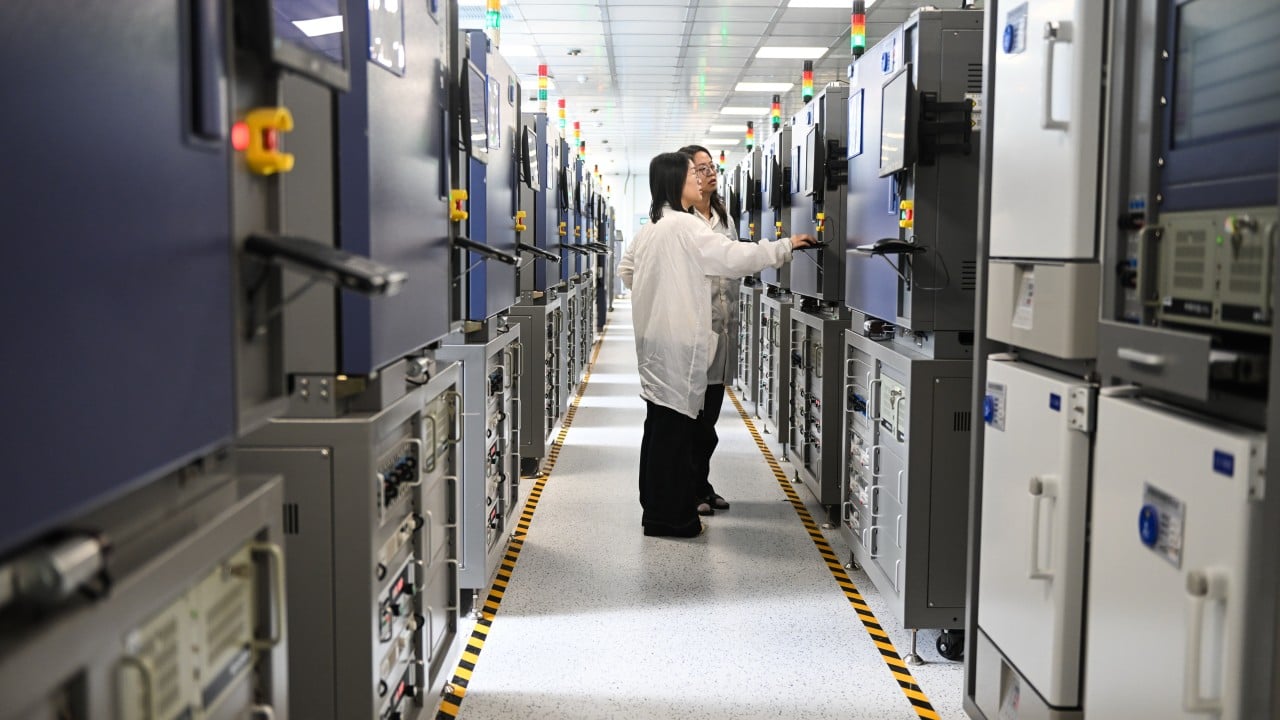
If you're operating a business exposed to international trade or technology controls, waiting for a grand permanent trade deal is a losing strategy. The structural decoupling of supply chains isn't reversing because two leaders shared a warm conversation at the White House.
- Diversify manufacturing footprints immediately: Don't rely on single-country sourcing hubs. Build redundancies across Southeast Asia, Latin America, or domestic markets.
- Audit your software and hardware dependencies: Understand whether your critical tech stack relies on components facing impending export controls or regulatory bottlenecks.
- Plan for volatility: Treat trade tariffs and regulatory shifts as permanent operational costs rather than temporary anomalies.
The summit bought breathing room, but the underlying friction remains fully active. Prepare your operations for a fractured global market, because the truce won't last forever.