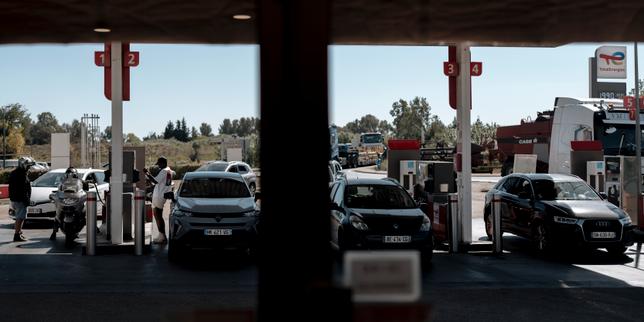
Every time you pull up to a petrol station in France, watching the numbers climb faster than the total on a grocery receipt triggers a very specific kind of frustration. If you drive a diesel car, that sting hits harder. French motorists have long enjoyed—or rather, endured—a fuel pricing reality that frequently outpaces the European average.
Drivers across the country feel the pinch every single week. You might assume it comes down to standard crude oil swings or global market shocks. Those factors matter, but they do not explain why French diesel pumps cost significantly more than those in neighboring Germany, Spain, or Belgium.
The real story involves a toxic mix of tax policies, refining bottlenecks, and historical market habits that policy makers refuse to fix. If you want to understand why your fuel budget keeps shrinking, you have to look past the global oil barrel and examine what happens right inside French borders.
The Tax Trap That Punishes Diesel Drivers
Taxes drive the high cost of French diesel. For decades, the French state actively encouraged citizens to buy diesel vehicles through favorable tax treatment. Millions of drivers made the switch, transforming France into one of the most diesel-heavy passenger car markets in Europe.
Then the political winds shifted. Governments realized the environmental toll of particulate emissions and began closing the tax gap between diesel and gasoline. Instead of pulling gasoline taxes down to match diesel, officials hiked diesel taxes up.
France relies heavily on a dual-pronged tax structure featuring the domestic consumption tax on energy products, known locally as the TICPE, layered directly on top of standard value-added tax. When crude prices rise, the state collects more VAT automatically because the tax is percentage-based.
Neighboring countries often deploy temporary tax freezes or excise duty cuts during price spikes. France tends to rely on targeted, short-term fuel rebates that phase out quickly, leaving everyday commuters exposed to the full brunt of market volatility.
Refining Realities and Domestic Bottlenecks
Taxation tells only half the story. The physical supply chain matters just as much. France sits in an awkward position regarding refining capacity and fuel import dependencies.
Over recent years, French domestic refineries have faced frequent strikes, maintenance shutdowns, and closures. When refinery workers walk off the job to protest pension reforms or wage stagnation, domestic fuel production halts within days.
France must then scramble to import refined diesel from alternative global markets. Importing fuel costs more than producing it locally. Transport logistics, maritime shipping rates, and foreign exchange fluctuations all add hidden euros to the final price at the pump.
Europe as a whole faced a massive supply squeeze when the continent banned seaborne diesel imports from Russia. While all European nations scrambled to find suppliers in the Middle East and the United States, France felt the pinch acutely due to its heavy reliance on imported middle distillates and its own frequent domestic labor disruptions.
The Distribution Margin Mystery
Look closely at your receipt and you will notice a substantial chunk of change goes toward distribution and retail margins. Major supermarket chains like Carrefour, Leclerc, and Intermarché dominate French fuel retail. They often sell petrol at cost price or even at a loss to drive foot traffic into their hypermarkets.
Independent service stations along motorways or in rural areas cannot compete with those predatory supermarket margins. When wholesale prices fluctuate, independent stations must raise prices immediately to survive, while major retail groups absorb losses temporarily.
Rural drivers suffer the most. If you live outside a major urban center, you lack access to hypermarket discount pumps. You rely on local stations that bake higher transport and logistical costs into every liter. You end up paying a geographic penalty just for living outside Paris or Lyon.
Consumer Habits Die Hard
French drivers bought into the diesel myth for generations. Manufacturers promised incredible fuel economy and lower carbon dioxide emissions compared to petrol engines. Millions of households financed diesel hatchbacks, sedans, and SUVs based on those promises.
The secondhand market reflects this legacy. Try selling a high-mileage diesel car in France today and you will watch buyers run away. Owners hold onto their vehicles longer because trade-in values have cratered.
This creates a trapped consumer base. You cannot simply ditch your diesel car tomorrow if you rely on it for a fifty-kilometer rural commute. Fuel companies and tax authorities know you have no immediate substitute, which blunts the competitive pressure that might otherwise force prices down.
What You Can Actually Do About It
Complaining at the pump changes nothing. If you want to protect your wallet from soaring fuel costs, you have to change how and where you buy.
Stop buying fuel at motorway service stations where prices routinely run twenty to thirty cents higher per liter. Plan your fill-ups around your grocery shopping trips at major hypermarket chains that run weekend cost-price operations.
Track local prices using crowd-sourced apps before you leave the house. A five-minute detour to a cheaper station can save you ten euros on a full tank.
If your daily commute allows it, look into carpooling or switching to a hybrid or electric vehicle during your next car purchase cycle. The days of cheap, subsidized diesel are gone for good, and waiting for the government to rescue motorists at the pump is a losing strategy.


