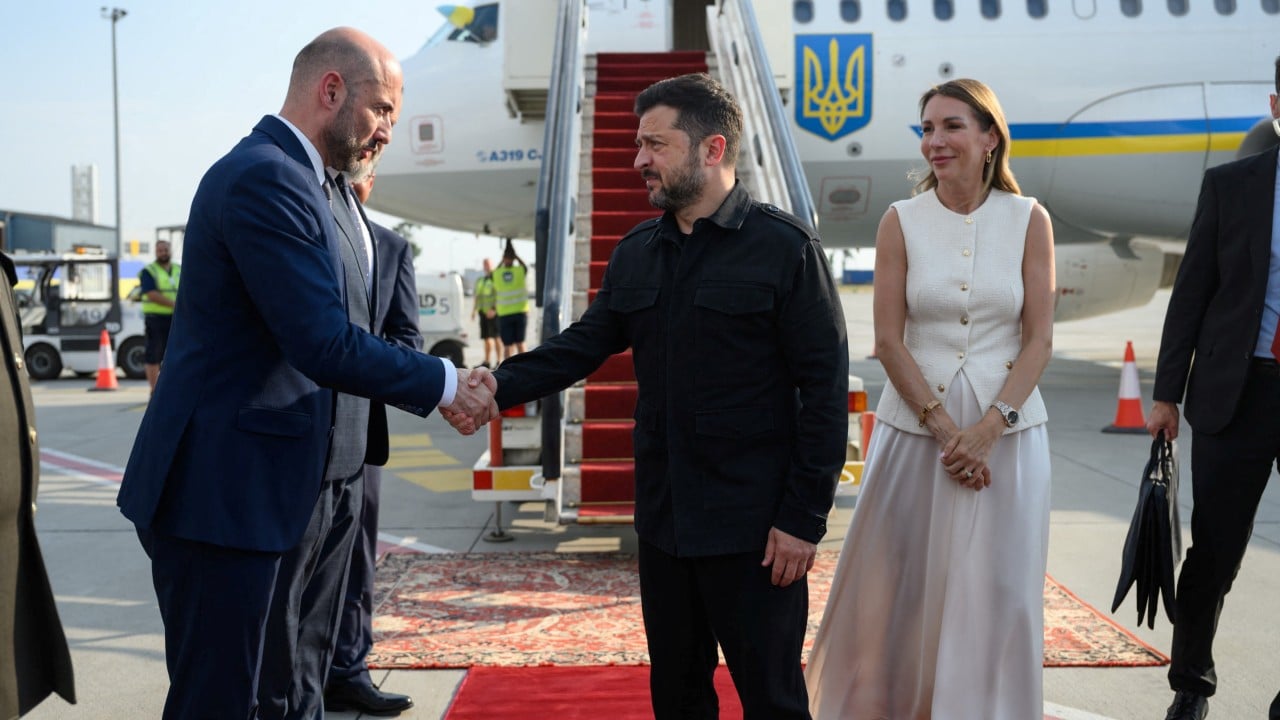
Ukrainian President Volodymyr Zelensky just stepped foot in Belgrade. It is a massive move. Since taking office in 2019, he hadn't visited Serbia once. Why? Because Serbia has spent years playing a very careful balancing act, staying tightly aligned with Moscow while officially chasing European Union membership.
This trip isn't just a routine diplomatic stop. It is a calculated push to crack open the door in one of Russia's last remaining European strongholds. You might also find this related article interesting: The Moscow Energy Trap Behind the New Senate Sanctions.
The Belgrade Balancing Act
Serbia remains an outlier in Europe. While nearly the entire continent locked down trade restrictions and condemned the Kremlin following the 2022 invasion, Belgrade refused to join the sanctions. Serbian President Aleksandar Vucic has kept energy ties warm, leaned heavily on cheap Russian gas, and maintained historic diplomatic bonds.
Yet diplomacy is rarely black and white. Behind closed doors, things are messier. Serbia has quietly funneled non-military aid to Kyiv, and persistent rumors—fiercely denied by Belgrade—suggest Serbian-made ammunition has found its way to Ukrainian battlefields through third parties. As extensively documented in recent articles by The Washington Post, the effects are widespread.
When Vucic met regional leaders and engaged in summits, he walked a tightrope. He wants the economic benefits of EU integration, but he doesn't want to burn bridges with Moscow. Zelensky's arrival in the Serbian capital forces that tightrope to shake.
What is Actually on the Table
Zelensky noted on social media that his two-day talks in Belgrade center around concrete issues: expanding economic collaboration, navigating EU relations, and shoring up security.
Senior officials in Kyiv aren't hiding the primary geopolitical objective. They want to pull Belgrade away from Moscow's orbit. Framing the visit as a diplomatic challenge to Russian influence, Ukrainian strategists see an opening. Serbia's long-term ambitions lie with Brussels, not the Kremlin, even if local politics complicate the pivot.
Vucic has already managed expectations. Ahead of the meetings, he made it clear that Serbia's stance on refusing to sanction Russia hasn't changed since the war began. He knows Zelensky will push for a tougher line against Moscow, but Belgrade is holding its ground on that specific front.
The Cost of Neutrality
You cannot understand modern Balkan politics without looking at energy and public sentiment. Russian gas supplies give Moscow considerable leverage over Serbian households and industry. Meanwhile, public opinion in Serbia leans heavily sympathetic toward traditional Russian ties, fueled by historical narratives and media alignment.
For Vucic, hosting Zelensky is a calculated risk. It angers hardline nationalists and pro-Kremlin factions at home. At the same time, it earns crucial political capital with Western leaders who have grown weary of Belgrade's hedging.
Brussels has repeatedly warned that Serbia's EU aspirations cannot coexist with cozy relations with the Kremlin. By welcoming Ukraine's leader, Vucic is signaling to the West that he can engage directly with Kyiv, even if he refuses to completely sever ties with Moscow.
Where Diplomacy Goes From Here
The optics of this visit matter immensely. A Ukrainian president shaking hands in Belgrade used to be politically unthinkable under the shadow of heavy Russian influence. Now it is happening.
Expect economic agreements and security talks to form the official communique, but the real shift is happening underneath the surface. Every step Belgrade takes toward normalization with Kyiv chips away at Moscow's diplomatic monopoly in the Balkans. Vucic may insist his policy of neutrality is unshakeable, but the ground beneath him is shifting faster than it was a year ago.
Keep an eye on EU response metrics in the coming weeks. If Brussels rewards this outreach with accelerated integration steps, other hesitant capitals will take notice. The diplomatic map in Eastern Europe is rewriting itself in real time.