Twelve years have passed since the bloodsoaked events of July 28, 2014, in Yarkand County, yet the official silence surrounding the violence remains deafening. Human rights advocacy organizations, including the Uyghur Human Rights Project, use each anniversary to press for transparency, urging Beijing to disclose the true fate of those killed, detained, or vanished during the crackdown. If you look past state-run media narratives, you find a starkly different reality of families still searching for graves that do not exist.
What Actually Happened in Yarkand
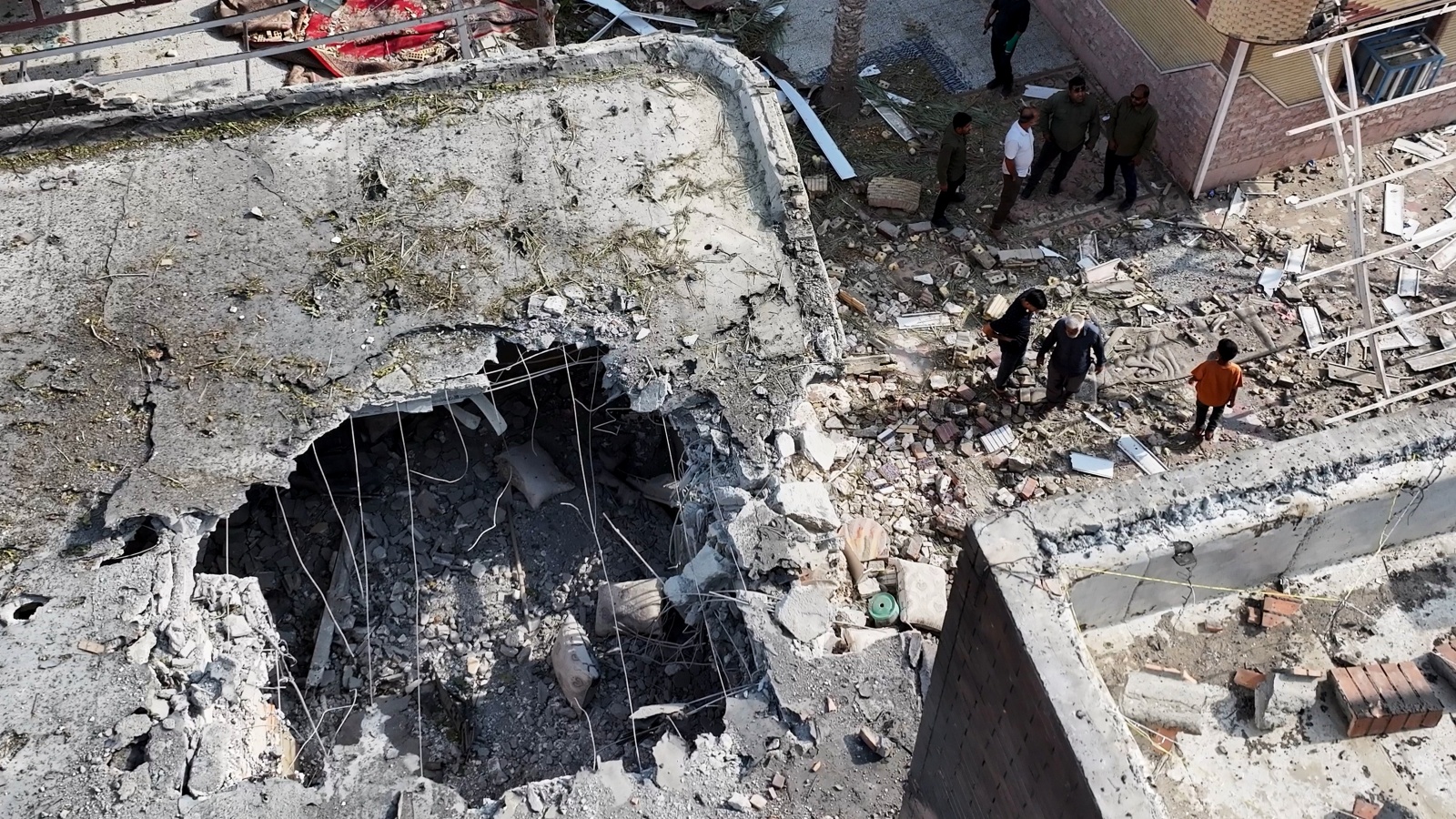
The official state account paints a neat picture of a premeditated terrorist attack. According to Chinese state media, knife-wielding gangs assaulted police stations and government offices in Elishqu Township, forcing security forces to restore order through a lethal response that left 96 people dead, including 59 alleged attackers.
Exile groups and local witnesses tell a contrasting story. The unrest allegedly sparked from peaceful protests against heavy-handed security crackdowns during Ramadan and the extrajudicial killing of a local Uyghur family. When crowds gathered to voice grievances, security forces opened fire. Subsequent house-to-house military searches swept through villages like Elishqu, Erik, and Hangdi. Independent estimates place the actual death toll much higher, with activist groups claiming thousands perished.
Communications blackout followed immediately. The region was sealed off from foreign journalists, internet lines were severed, and local residents who dared speak to outsiders faced arrest for leaking state secrets.
Why the Silence Persists
Governments rarely welcome independent investigations into state violence. Sealing off borders works. Controlling information works. But forgetting fails.
Human rights defenders emphasize that the Yarkand incident was not an isolated clash. It served as a grim testing ground for the massive security apparatus, high-tech surveillance systems, and mass internment camps that materialized across Xinjiang in the years following. When an event of this scale goes unpunished and uninvestigated, it greenlights total state impunity.
Families are left in a permanent state of ambiguous loss. They have no death certificates, no bodies to mourn, and no legal recourse.
The Demand for Accountability
Advocacy groups are asking for baseline transparency. They want authorities to release the names of everyone killed, detained, or sentenced. They want official archives opened and an independent international probe permitted.
The international community shares responsibility here. Accepting sanitized security narratives without scrutiny enables ongoing abuses. True accountability requires refusing to look away, preserving survivor testimonies, and keeping the pressure on global platforms where state censorship tries to erase history.
Read the reports from independent monitors. Support organizations documenting human rights violations. Share the stories of those who cannot speak for themselves. Accountability starts with refusing to let the truth stay buried.