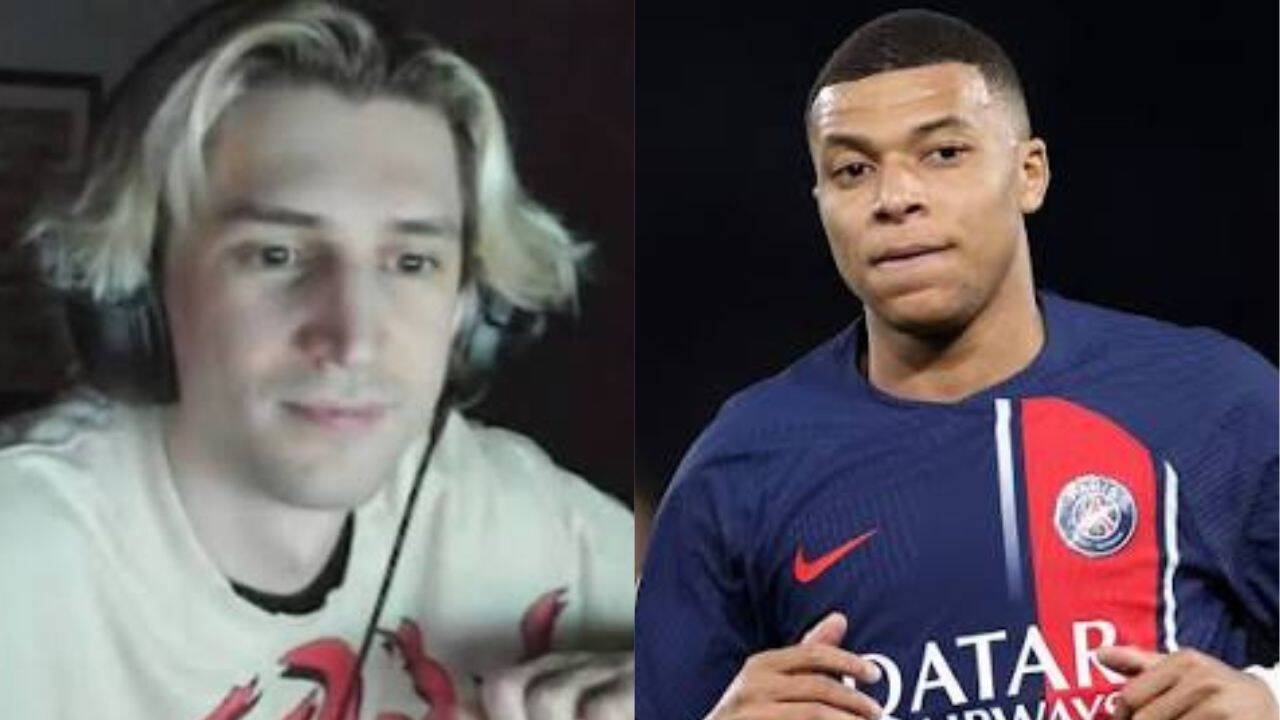
The internet is currently drowning in a wave of collective outrage because Félix "xQc" Lengyel got slapped with a Twitch suspension during the 2026 FIFA World Cup. The standard narrative is already locked in. Fans are crying foul. Commentators are whining about automated DMCA systems. The general consensus among live-streaming purists is that FIFA is a archaic dinosaur misunderstanding modern media, hurting its own growth by banning a creator who was providing "free promotion" to millions of viewers.
This narrative is completely wrong. It is financially illiterate, legally blind, and deeply delusional.
xQc did not get sniped by a broken automated system. He did not get targeted by an out-of-touch corporate overlord. He got caught doing what top-tier streamers have done for years: treating billion-dollar proprietary broadcasts as raw material for his own monetization pipeline. FIFA did exactly what any competent multi-billion-dollar enterprise must do to preserve its core business model.
The entire livestreaming ecosystem is built on a foundational lie: that fair use protects reaction content, and that big creators are doing rights holders a favor by restreaming their content. It is time to dismantle that lie.
The Illusion of Free Promotion
Let us start with the most common defense thrown around by fans and creator-economy evangelists. The argument goes that by streaming World Cup matches to his massive audience, xQc is introducing football to a younger, digital-native demographic that traditional television networks cannot reach.
This argument fundamentally misunderstands how sports financing works.
FIFA does not need xQc’s exposure. The World Cup is already the most watched sporting event on earth. Media rights for the tournament are sold for billions of dollars to broadcasting giants like Fox, Telemundo, the BBC, and regional networks worldwide. These networks pay astronomical sums because live sports are the last remaining glue holding traditional broadcasting together. It is the only content consumers refuse to watch on a delay, making it an incredibly high-value target for live advertising.
Imagine a scenario where a local bar decides to broadcast a pay-per-view fight without paying the commercial licensing fee. They cannot claim they are doing the promoters a favor by bringing people into the bar to watch it. They are stealing a commercial feed to sell beer. When a streamer broadcasts a match, they are using stolen premium content to drive subscriptions, bits, and ad revenue to their personal channel.
The networks paying for exclusive rights expect absolute exclusivity. If a user can open a browser window and watch a match via a third-party stream with a commentary overlay, the value of that exclusive license drops. If the value of the license drops, networks pay less during the next bidding cycle. FIFA isn't attacking creativity; they are defending the revenue stream that funds youth academies, stadium infrastructure, and global football development across 211 member associations.
The Entitlement of the React Industrial Complex
The reaction economy has made top creators incredibly wealthy, but it has also made them intellectually lazy. There is a vast difference between reacting to a public YouTube video and restreaming a highly restricted, heavily guarded live sporting event.
For years, platforms like Twitch and Kick have looked the other way while creators skirted the edges of copyright law. Streamers watch entire reality television episodes, full-length movies, and premium internet content while occasionally nodding or saying "wow." This has conditioned an entire generation of digital talent to believe that if it exists on a screen, it is theirs to broadcast.
But live sports operate under an entirely different legal and financial infrastructure. The Digital Millennium Copyright Act (DMCA) is not an unfair weapon used by corporations to suppress creators. It is a necessary legal framework. Under the DMCA, platforms receive safe harbor protection from copyright liability only if they expeditiously remove infringing content upon receiving a valid takedown notice.
When FIFA's digital enforcement teams spotted the broadcast, they issued a notice. Twitch complied because the alternative is facing catastrophic secondary liability lawsuits from global media conglomerates. Twitch did not betray xQc. Twitch protected its own survival.
Creators often argue that their commentary transforms the work, satisfying the criteria for fair use. Let us look at that claim objectively. Merely sitting in a gaming chair, eating food, and shouting at a referee's decision does not meet the legal standard of transformation. It does not offer a critique that supersedes the original market purpose of the broadcast. It serves as a direct substitute for the original broadcast. If viewers are watching the match on a stream, they are not watching it on the authorized rights-holder's platform.
The Structural Incompatibility of Streaming Platforms and Live Rights
The core problem is structural. The modern live-streaming infrastructure is completely incompatible with the economic realities of professional sports leagues.
Live streaming thrives on decentralization, spontaneity, and direct creator-to-viewer interaction. Sports broadcasting relies on highly centralized, heavily manufactured exclusivity. When a platform signs a deal with a creator, they are buying the creator's personality. When a television network signs a deal with a sports league, they are buying the exclusive right to distribute a specific set of pixels during a specific window of time.
+-----------------------------------------------------------------------+
|                       THE LIVE RIGHTS BREAKDOWN                        |
+-----------------------------------------------------------------------+
|  TRADITIONAL BROADCAST MODEL          |  STREAMER REACTION MODEL      |
|  - Billions spent on exclusive access |  - Zero upfront capital cost  |
|  - Guaranteed ad inventory delivery   |  - Monetizes via tips/subs    |
|  - High production infrastructure     |  - High risk of DMCA collapse |
+-----------------------------------------------------------------------+
Some platforms have attempted to bridge this gap. Twitch has experimented with co-streaming rights for specific events, such as lower-tier esports tournaments or select Thursday Night Football games in specific territories. But those agreements are meticulously negotiated beforehand. They involve geographic restrictions, specific ad-insertion rules, and explicit revenue-sharing models.
You cannot simply turn on your webcam, open an unauthorized feed, and call it a partnership. That is not innovation. That is piracy with a webcam attached.
The Cost of Corporate Illiteracy in the Creator Space
I have watched digital talent management agencies blow millions of dollars by failing to educate their talent on basic intellectual property law. Streamers operate as multi-million-dollar corporations in terms of revenue, but many still maintain the operational mindset of a teenager streaming from a bedroom in 2014.
If you run a business pulling in seven or eight figures annually, you are no longer just a gamer. You are a media executive. A media executive who does not understand the difference between public domain material and an exclusive international sports broadcast is an operational liability.
The downside to addressing this issue head-on is that it forces the creator community to admit their growth is often subsidized by the uncompensated labor and capital of others. It forces an admission that without the massive entertainment ecosystems built by movie studios, television networks, and sports leagues, the "Just Chatting" category on Twitch would lose a massive percentage of its daily watch hours.
The Hard Reality for Future Broadcasters
Stop looking for workarounds. Stop assuming that being a massive name protects you from legal realities. If you want to broadcast premium live events, you have to play by the rules of the sports entertainment complex, which means paying the premium.
If creators want to participate in major global events like the World Cup, the path forward is not unauthorized restreaming followed by public tears when the ban hammer drops. The path forward requires formal syndication agreements.
Creators must build the infrastructure to negotiate regional co-streaming licenses, manage geo-blocking tools to respect local broadcast exclusivity, and integrate corporate sponsors that align with the primary rights holders. Until creators are willing to invest the capital required to secure these rights legally, they will continue to find themselves locked out of the biggest moments in culture.
FIFA did not make a mistake. They drew a hard line in the sand. Live sports will not be the next casualty of the reaction economy. Streamers can either adapt to the rules of global media distribution, or they can continue to watch their channels get deactivated in the middle of a match.