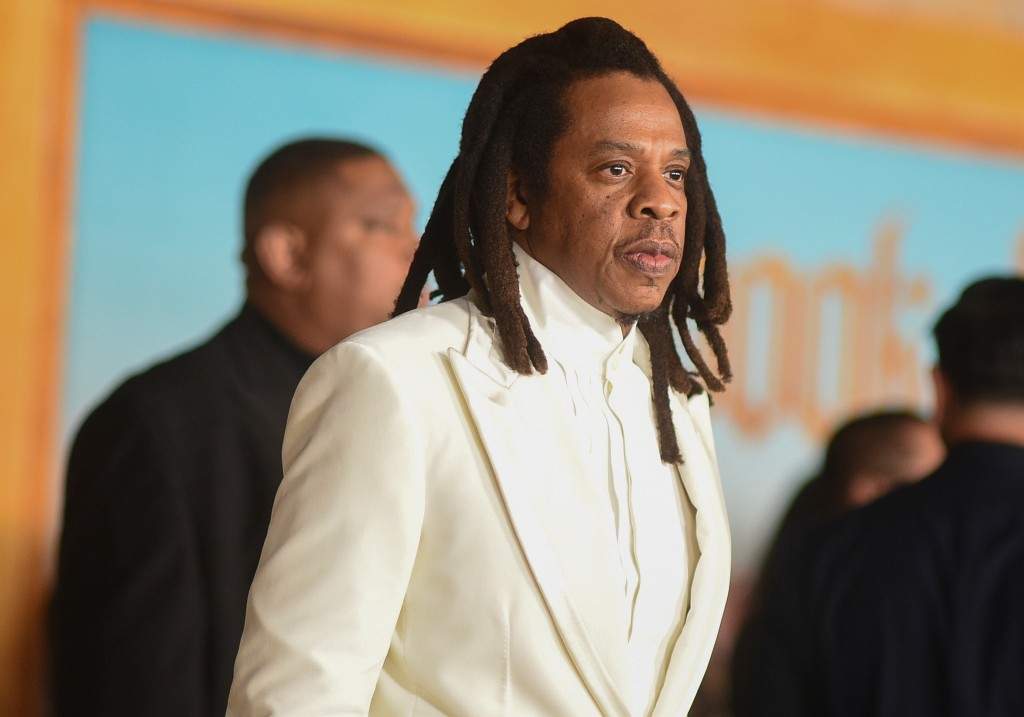
The headlines rolled in with predictable velocity. A high-profile legal accusation involving entertainment mogul Shawn Jay Z Carter vanished as quietly as it arrived. The accuser walked back the claims, issuing a retraction that declared zero truth resided in the original filing. Mainstream commentators sighed with relief, chalking it up to another isolated legal dispute resolved, another headline buried by the relentless news cycle.
They are missing the entire point.
Focusing on the retraction alone is lazy analysis. It treats a symptom while ignoring the structural mechanics of how high-stakes allegations and retractions function in the modern media ecosystem. When an accusation of this magnitude dissolves without a trial, nobody wins. The accuser faces reputational evisceration, the accused absorbs permanent ambient stain despite the lack of conviction, and the public is left grasping at shadows.
Let us dispense with the polite fiction that a voluntary withdrawal equals total exoneration or absolute innocence on one side, or a malicious hoax on the other. Reality is rarely that neat. In elite cultural circles, the legal machinery operates under different gravitational forces. Settlement negotiations, non-disclosure agreements, public relations pressure cookers, and the sheer financial attrition of federal or civil litigation create an environment where truth is often secondary to risk mitigation.
I have watched high-stakes civil battles from the inside. When millions of dollars and generational brands are on the line, the cost of fighting a legal war to the bitter end—even when you possess an airtight defense—can rival the cost of settling. Conversely, the pressure brought to bear on a plaintiff when facing an army of corporate defense attorneys is immense. To look at a sudden retraction and assume it represents a clean window into objective truth is naive.
The Economics Of Accusation And Retraction
Public relations crises in the entertainment industry follow a rigid mathematical formula. An allegation drops. Stock prices react, brand partnerships pause, social media tribunals convene instantly, and public relations firms spin up rapid-response campaigns. Within forty-eight hours, the narrative hardens into concrete.
When the inevitable retraction happens months later, the cultural recovery rate is asymmetric. The original accusation commands front-page prominence and millions of algorithmic impressions. The retraction gets buried on page twelve or slips out quietly on a Friday afternoon.
This asymmetry creates a perverse incentive structure. The threat of public exposure becomes a potent leverage instrument, independent of judicial outcomes. Conversely, high-profile defendants often resort to aggressive counter-litigation or behind-the-scenes financial settlements to staunch the bleeding. When an accuser suddenly states there is no truth to the claims, analysts rarely ask about the back-channel negotiations that preceded the about-face.
Imagine a scenario where every high-profile legal filing required mandatory evidentiary hearings before public disclosure, shielding reputations from premature incineration while protecting genuine victims. We do not live in that world. We live in an attention economy that rewards sensationalism and punishes nuance.
Dismantling The False Binary
Public discourse demands a binary choice: either the accuser is a heroic crusader fighting a corrupt titan, or they are an opportunistic liar orchestrating a shakedown. This reductionist view serves the media platforms that monetize outrage, but it bears zero resemblance to human behavior.
Human beings are complex, driven by fear, greed, anger, trauma, and self-preservation. High-stakes legal disputes involve layers of emotional baggage mixed with brutal corporate strategy. When an allegation is dropped, it does not magically erase the preceding events, nor does it automatically validate every narrative pushed by stans on social media.
Consider the legal mechanics of retractions. A statement claiming "no truth" to the original claims can stem from genuine realization of error, profound exhaustion, fear of protracted cross-examination, or private settlement terms. Conflating a legal withdrawal with a moral absolute is intellectual laziness.
"In high-stakes litigation, a retraction is rarely an epiphany of truth. It is almost always a tactical repositioning."
The Real Crisis In Cultural Accountability
The real story here is not about Jay Z or his accuser. It is about the systemic fragility of how we adjudicate fame, power, and grievance in the digital age.
We have outsourced our justice system to Twitter feeds and TikTok algorithms. When an allegation is made, digital mobs demand immediate social execution. When it is retracted, they shrug and scroll to the next piece of dopamine-laced outrage. Neither outcome delivers justice. Both outcomes degrade public trust in institutions, leaving everyone cynical and guarded.
If we want a healthier culture, we must stop treating celebrity legal battles as spectator sports. We need to respect the gravity of due process, acknowledge the coercive power of wealth in legal negotiations, and accept that some stories will remain opaque.
Stop looking for tidy heroes and villains in headlines designed solely to capture your clicks. The truth is messy, expensive, and rarely makes it past the first paragraph.