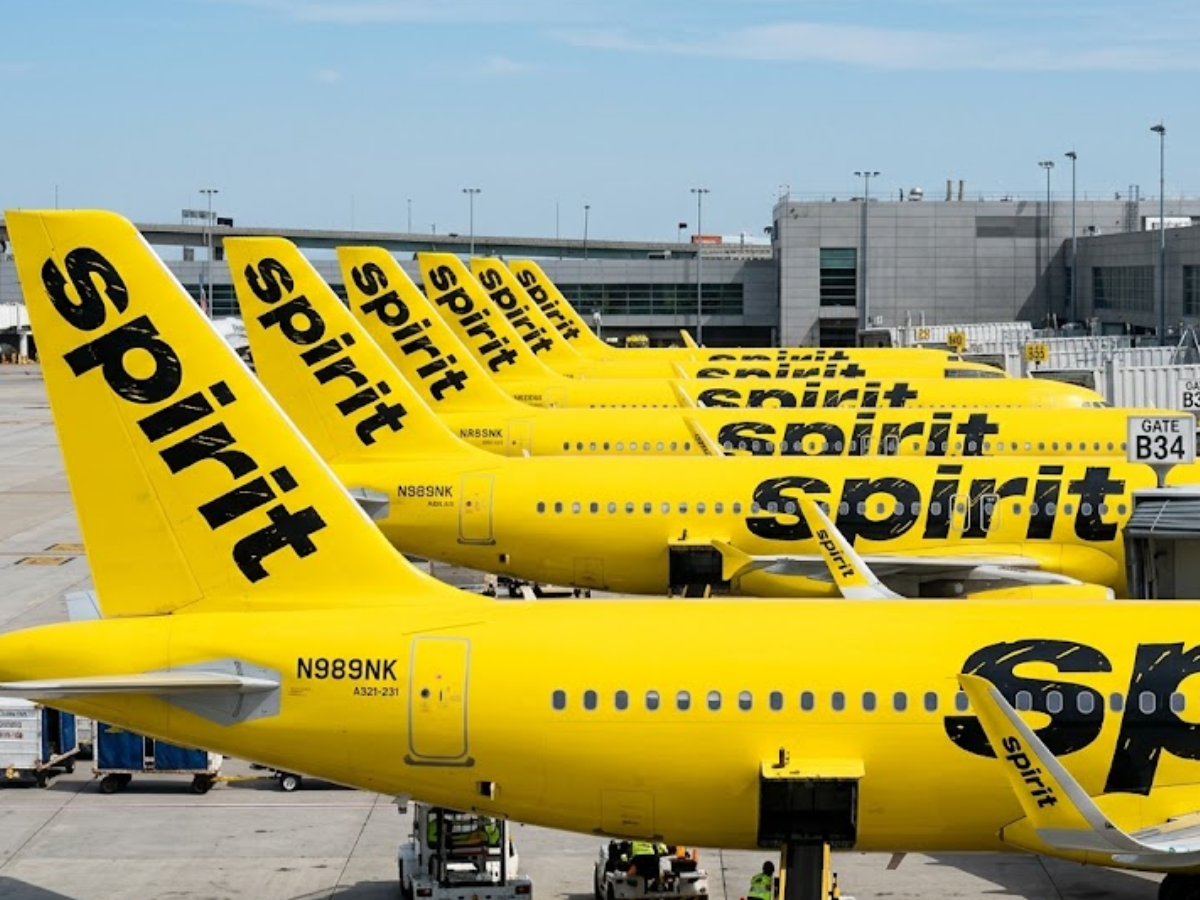
Everyone's talking about a group of TikTok creators trying to buy Spirit Airlines. It sounds like a joke. Maybe it started as one. But when a GoFundMe page starts racking up hundreds of millions in "pledges," the joke stops being funny and starts getting weird. People are tired of the current state of budget travel. They’re fed up with the nickel-and-diming, the cramped seats, and the feeling that airlines don't care if you actually reach your destination. That frustration has boiled over into a digital movement that wants to nationalize the airline or, at the very least, take it out of the hands of traditional corporate boards.
Spirit Airlines is in trouble. That’s not a secret. After the JetBlue merger fell apart and the company faced mounting debt, the carrier became a target for speculation. But the idea that a crowd of social media users can just pass the hat around and grab the keys to a major US carrier is a massive misunderstanding of how aviation, law, and money actually work. Let’s look at why this is happening and what’s really going on behind the screens. Building on this topic, you can also read: The 211,000 Ghost Stories of the American Morning.
Why TikTok Thinks It Can Save Spirit
The momentum behind this "people’s airline" isn't coming from nowhere. It's fueled by a deep-seated resentment toward the consolidation of the airline industry. When Spirit’s stock plummeted, the internet saw an opening. The logic is simple: if the stock is cheap and the company is struggling, why shouldn't "the people" own it?
The organizers claim they've seen over $330 million in pledges. That’s a huge number. It’s also mostly meaningless. A pledge on a crowdfunding site isn't the same as cash in a bank account. Most of these supporters are younger travelers who want $20 flights and better snacks. They want an airline run by the vibes of the internet rather than the cold calculations of Wall Street. Observers at Harvard Business Review have also weighed in on this matter.
I’ve seen plenty of these "crowdfunded" takeovers fall apart the second a lawyer enters the room. You can't just buy a company because you have a lot of likes. Spirit has complex debt structures, union contracts, and massive lease agreements for its planes. Running an airline is a capital-intensive nightmare. It’s not just about fuel and pilots; it’s about regulatory compliance that would make your head spin.
The Reality of Nationalization vs Crowdfunding
Some of the loudest voices in this movement are calling for Spirit to be nationalized. They want the government to step in and turn it into a public utility. This is a radical shift from how the US handles aviation. Since the 1978 deregulation, the government has mostly stayed out of the business of actually running airlines.
Proponents argue that if the government can bail out airlines during a pandemic, it should own them when they fail. It’s a compelling argument if you’re stuck in a terminal for ten hours. But there’s zero political appetite for this in Washington. The Department of Transportation is busy enough trying to enforce passenger refund rules. They don't want to manage a fleet of yellow Airbus A320s.
The TikTok plan is a weird hybrid. It’s part "Buy the Block" and part "Occupy Wall Street." It’s an attempt to use the tools of capitalism—buying shares—to achieve a socialist-adjacent goal of communal ownership. It’s messy. It’s also legally fraught.
Obstacles You Won't See on Your FYP
- The FAA doesn't care about your follower count. Any change in ownership for a Part 121 air carrier requires intense scrutiny. The Department of Transportation must certify that the new owners are "fit, willing, and able" to operate. A decentralized group of TikTokers doesn't meet that definition.
- The Debt is the Real Owner. Spirit has billions in debt. When you "buy" the airline, you’re mostly buying the right to try and pay back those creditors. If the company goes through bankruptcy, the shareholders—even a group of millions of small ones—are usually the last to get paid. Often, they get nothing.
- Foreign Ownership Rules. US law is very strict about who can own an airline. No more than 25% of the voting interest can be held by non-citizens. Organizing a massive, anonymous crowd while keeping track of citizenship status for every "pledge" is a logistical impossibility.
The Power of the Meme Stock Mentality
We saw this with GameStop and AMC. There’s a certain thrill in watching a "dying" company get a second life because the internet decided it was funny or meaningful. The Spirit Airlines saga is the latest chapter in that book. It shows that retail investors—and even non-investors—are starting to view the stock market as a playground for activism.
But airlines aren't video game retailers. If GameStop runs out of copies of a new game, nobody dies. If an airline’s maintenance schedule slips because the "community board" voted to spend the budget on free WiFi instead of engine parts, the consequences are catastrophic. The safety culture in aviation is built on rigid, boring, and expensive systems. Those systems don't play well with the "move fast and break things" energy of social media.
Spirit’s current management is likely ignoring this TikTok noise. They’re busy talking to bondholders and trying to figure out if they can survive another quarter. They aren't looking at a GoFundMe as a viable exit strategy.
What This Means for the Future of Budget Travel
Regardless of whether this bid succeeds—and let's be honest, it almost certainly won't—the sentiment behind it is real. The budget airline model is broken. Low-cost carriers are squeezed between rising labor costs and a consumer base that demands the world for the price of a sandwich.
If Spirit disappears or gets absorbed into a legacy carrier, prices will go up. The "TikTok Bid" is a desperate cry for competition. People are terrified of a world where three airlines control every seat in the sky. They’re willing to throw their money at a long shot just to keep the dream of cheap travel alive.
The real story here isn't the $330 million. It’s the fact that people are so disillusioned with the current travel landscape that they think a social media app can do a better job than the professionals. That’s a massive indictment of the industry.
What You Should Actually Do
Stop looking at the pledges and start looking at the ticker. If you’re actually interested in the fate of Spirit, watch the SEC filings, not the hashtags. If you're a traveler, start diversifying your points and miles. Relying on one budget carrier is a recipe for getting stranded.
If you want to support the idea of better travel, stop rewarding airlines that treat you like cargo. Vote with your wallet. Support the regional carriers that still provide decent service. The internet might be able to pump a stock, but it can't fly a plane.
Understand that Spirit is currently a high-risk environment. Don't book flights you can't afford to lose if the airline enters restructuring. Keep a backup plan. The vibes on TikTok might be great, but they won't get you a hotel voucher when the crew times out. Use a credit card with solid trip delay insurance. That’s your real protection, not a crowdfunded dream.