The West Kowloon Cultural District (WKCD) is attempting to buy its way out of a localized identity crisis by signing a flurry of international memorandums. While the official narrative frames 12 new partnerships with global institutions as a "strengthening of links," the reality is more transactional. Facing a looming exhaustion of its original $21.6 billion HKD endowment and operating in a transformed political climate, Hong Kong’s arts hub is pivotally rebranding as a global logistics coordinator for culture. This isn't just about art; it is about survival through diversification and the urgent need to prove that the city remains a friction-less gateway between East and West.
The timing of these agreements—signed during the Hong Kong International Cultural Summit—suggests a defensive maneuver as much as a growth strategy. By tethering itself to heavyweights like the Musée d’Orsay, the Prado, and the Victoria and Albert Museum, West Kowloon is trying to insulate itself against the perception of isolation.
The Architecture of a Soft Power Push
For years, the West Kowloon project was viewed through the lens of construction delays and skyrocketing costs. Now that the M+ museum and the Hong Kong Palace Museum are physically standing, the problem has shifted from concrete to content. Managing a massive cultural precinct requires a constant stream of high-caliber programming that the local market cannot generate in a vacuum.
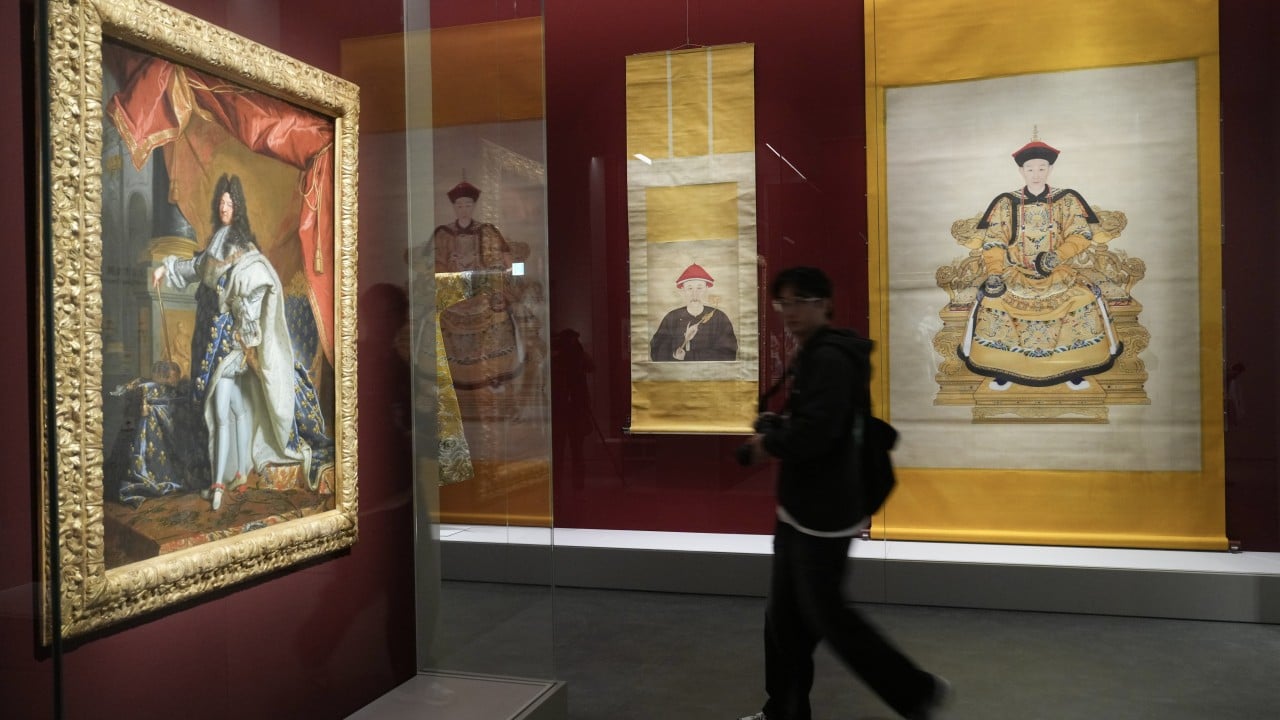
The 12 new partnerships are designed to solve this inventory problem. By formalizing relationships with institutions across France, Spain, the UK, Qatar, and mainland China, the WKCD Authority is creating a revolving door for world-class exhibits. This reduces the immense pressure on local curators to build every blockbuster from scratch. It also allows Hong Kong to act as a middleman. For instance, a traveling exhibition from the Prado might land in Hong Kong before moving to Shanghai or Tokyo, with West Kowloon taking a cut of the prestige and the gate receipts.
However, these partnerships are rarely altruistic. European and American museums are grappling with their own funding gaps and are increasingly looking toward Asia for touring fees and retail opportunities. Hong Kong is providing the stage, but the rental cost is high. The city is betting that by becoming a permanent node in the global museum circuit, it can justify its massive operational overhead.
The Fiscal Cliff and the Art of the Deal
Beneath the celebratory handshakes lies a harsh financial truth. The WKCD Authority has warned repeatedly that its funds will run dry by mid-2025. The government has been hesitant to provide another blank check, forcing the district to look at creative—and sometimes desperate—revenue streams.
These 12 partnerships are a business development play disguised as cultural exchange. Joint exhibitions are cheaper to produce than solo ventures. Shared research and conservation efforts spread the cost of specialized labor. More importantly, these deals often include provisions for "commercial collaborations," a polite term for high-end gift shop merchandise and branded experiences that can be exported.
The district is also pushing for a change in its land-use model. They want to sell or develop residential and commercial lots originally intended only for rental. The international partnerships serve as a signaling device to potential real estate investors. The message is clear: "We are still a global hub, and your investment is safe because we are partnered with the world’s elite." Whether the art world buys this remains to be seen.
The Qatar Connection
One of the more intriguing signatories is Qatar Museums. This partnership highlights a shift in Hong Kong’s geopolitical focus. As the city looks to the "Belt and Road" initiatives, aligning with Middle Eastern wealth and cultural ambition makes perfect sense. Qatar is building its own cultural empire with a similar "build it and they will come" philosophy. By sharing expertise and collections, both regions are attempting to bypass the traditional dominance of the New York and London art markets.
This isn't just about paintings on a wall. It is about creating a new axis of cultural influence that doesn't rely solely on Western approval. It is a pragmatic, if cynical, recognition that the future of art funding and tourism may lie in the Persian Gulf and the Greater Bay Area rather than the traditional capitals of Europe.
The Problem of Curation Under Scrutiny
The most significant hurdle for these 12 partnerships isn't money, but the invisible boundaries of what can actually be shown. International partners are notoriously protective of their reputations. They fear their collections might be caught in the middle of local sensitivities or that certain themes might be quietly discouraged.
The WKCD leadership has been vocal about maintaining professional standards, but the international community is watching closely. For a partnership with a French or British museum to work long-term, there must be a guarantee of intellectual freedom. If a partner museum feels that their curatorial vision is being compromised to fit a specific narrative, those 12 signatures won't be worth the paper they are printed on.
This creates a high-wire act for the district’s administrators. They must satisfy local authorities while keeping international collaborators comfortable enough to keep the loans coming. It is a tension that didn't exist when the project was first conceived twenty years ago.
The Digital Handshake
Several of the new agreements focus on digital sharing and technological collaboration. In the era of high-fidelity reproductions and immersive experiences, physical proximity is no longer the only way to experience art.
- Virtual Loans: The ability to host digital versions of masterworks from the Prado or the Uffizi.
- Archival Access: Sharing high-resolution scans of ancient manuscripts for local scholars.
- Technological Exchange: Using Hong Kong’s tech infrastructure to develop new ways of tracking art provenance or managing climate control in humid environments.
By focusing on the technical side of museum management, West Kowloon is positioning itself as a "smart" cultural district. This is a savvy move. It is less controversial than political art and more marketable to the tech-heavy economy of the surrounding Greater Bay Area.
Beyond the Gala Photos
We have seen this movie before. A grand announcement, a series of photos with smiling dignitaries, and then a slow fade into bureaucratic inertia. The success of these 12 partnerships will not be measured by the number of logos on a website, but by the foot traffic through the turnstiles and the balance sheet of the WKCD Authority three years from now.
The district needs to move beyond the "museum in a box" model where they simply host foreign treasures. They need to prove that these links actually benefit local artists and curators. If the result is just a series of expensive, imported shows that could be seen in any other global city, then West Kowloon has failed its original mission to be a unique voice in the region.
The real test will be the first major co-produced exhibition that tackles a complex, contemporary subject. Will the international partners be allowed to bring their full, unedited perspective to the table? Or will the "strengthened links" act more like a leash, keeping the discourse within safe, decorative bounds?
The Competition Next Door
Hong Kong is no longer the only player in this game. Singapore is aggressively expanding its museum footprint, and cities like Shenzhen and Guangzhou are building massive cultural complexes with even deeper pockets. The 12 partnerships are an attempt to maintain a competitive edge through brand association.
Being the "exclusive Asian partner" of a major European museum is a title that carries weight with tourists and sponsors. But exclusivity is fleeting. Many of the institutions partnering with West Kowloon are also talking to Beijing and Shanghai. Hong Kong's advantage is its legal framework and its history as a free port for art, which makes the logistics of moving million-dollar paintings much easier than it is in mainland China. The district is leaning heavily into this logistical superiority.
A Transactional Future
The West Kowloon Cultural District is effectively transitioning from a government-funded public works project into a corporate entity that deals in the commodity of culture. This shift is necessary because the old model of "build it and wait" is bankrupt. The 12 partnerships are the first real signs of a new, more aggressive business strategy.
The city is buying time. Each new agreement adds a layer of international legitimacy that makes it harder for the project to be dismissed as a white elephant. But legitimacy is expensive, and the clock is ticking on the remaining endowment.
If you want to see the future of the West Kowloon Cultural District, look at the fine print of these contracts. You will find a desperate need for private sponsorship, a push for high-margin retail, and a heavy reliance on the prestige of foreign brands to mask a local financial crisis. The district isn't just building an arts hub; it’s building a shield.
Investigate the actual movement of assets between these partners over the next eighteen months. If the "exchanges" are one-way—with Hong Kong simply paying to receive collections—then the district is merely a high-end showroom. If we see Hong Kong-curated content moving to Paris or Madrid, only then can we say these links have truly been strengthened.
Check the visitor data for the upcoming co-branded exhibitions at M+ to see if the international names are actually drawing the crowds required to close the budget gap.