The coffee in high-level international summit rooms always tastes the same. It is bitter, over-extracted, and served in porcelain cups that feel too fragile for the heavy hands gripping them.
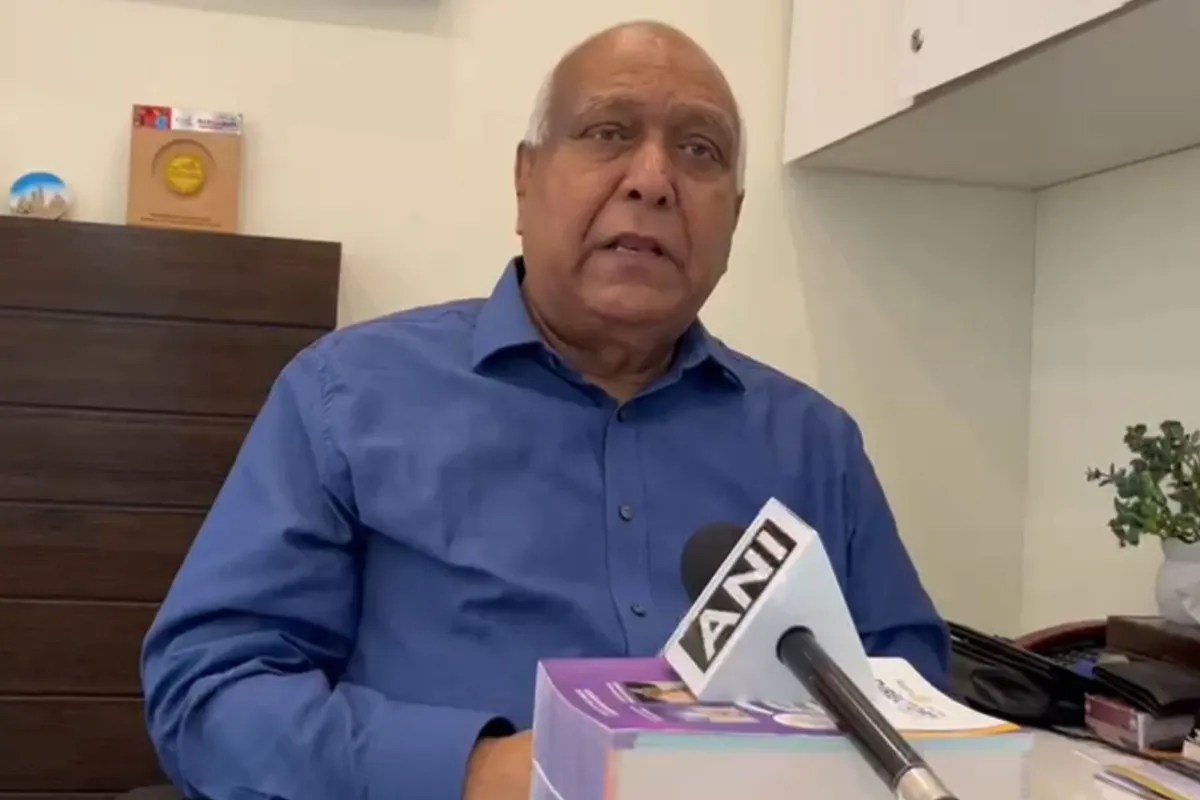
Imagine sitting at that mahogany table, though we are speaking of a hypothetical scenario grounded in very real anxiety. You are Scott Bessent. As United States Treasury Secretary, your tie is straight, your briefing books are stacked inches high, and every single person in the room is waiting for you to blink. Outside those thick glass windows, foreign exchange markets vibrate with every syllable uttered inside. Inside, the G20 finance meeting has just drawn to a close.
To the casual observer scanning a ticker tape, this is just another diplomatic communiqué. A few paragraphs about global economic growth, supply chain resilience, and fiscal discipline. Paper. Ink. Bureaucracy.
Nothing could be further from the truth.
When ministers of finance from the world’s twenty largest economies gather, they are not merely discussing abstract theories of monetary policy. They are negotiating the price of bread, the interest rate on a young family's mortgage, and the survival of industries that employ millions. Every communiqué is a delicate armistice in an ongoing currency war.
Consider what happens next when the cameras turn off.
The official statements are sanitized. They speak of cooperation and shared goals. But beneath the polished veneer lies a frantic calculus. Nations are wrestling with debt burdens accumulated over decades of crisis management. Inflation has bruised citizens from Washington to Tokyo, leaving politicians politically vulnerable and central bankers walking a tightrope without a net.
Bessent’s debut on this particular global stage carried a unique gravity. Stepping into the Treasury role means managing the world's reserve currency at a time when traditional economic gravity seems to be bending. The American economy remains remarkably resilient, yet it acts as a giant vacuum, pulling capital from every corner of the globe. That magnetism creates friction. Emerging markets watch their currencies slide against the dollar, making their dollar-denominated debts punishingly expensive to service.
When Bessent spoke at the conclusion of the G20 meetings, he was not just addressing his peers. He was whispering directly to the algorithmic trading desks in London, New York, and Singapore.
Money talks, but debt shouts.
To understand why a treasury secretary's words can cause a billion-dollar shift in seconds, we have to look past the spreadsheets and examine human psychology. Markets are fueled by fear and greed, yes, but primarily by uncertainty. When a major player steps up to the podium and articulates a clear vision—whether it involves trade balances, currency valuations, or fiscal restraint—the fog lifts just enough for traders to place their bets.
Bessent’s message at the G20 centered on economic strength through domestic revitalization and fair trade. But translation is everything in international finance. When the U.S. talks about rebalancing, international partners hear pressure. They hear a demand to alter trade flows, adjust exchange rates, or absorb shocks that Washington no longer wishes to bear alone.
It is a high-stakes poker game where everyone knows the dealer's stack is the largest, but everyone also knows that if the table tips over, nobody walks away clean.
I remember watching a veteran floor trader years ago during a sudden currency devaluation shock. He didn't look at the charts first; he looked at the faces of the people walking onto the floor. Panic spreads faster than fiber-optic cables can transmit data. That is why the words chosen by Treasury secretaries are weighed like rare metals. A misplaced adjective can trigger a sell-off in sovereign bonds. A tone of conciliation can spark a rally that lifts millions of retirement accounts.
At this G20 meeting, the subtext was just as important as the text. The global economy is fragmenting. Bloc politics are bleeding into trade corridors. Friends and rivals alike are looking for cracks in American leadership, testing the resolve of a new administration to maintain the post-war financial architecture.
Bessent stood his ground. The official word is that the meetings concluded with a reaffirmation of multilateral dialogue. The unofficial reality is that every nation represented at that table is frantically fortifying its own economic walls while smiling for the group photograph.
We live in an interconnected house of glass. When the Treasury Secretary speaks, he is holding a hammer and a glass cutter at the same time. The G20 may have adjourned, but the real negotiations never actually stop. They just move from the mahogany table to the quiet, glowing screens of traders who never sleep, waiting for the next whisper from Washington.